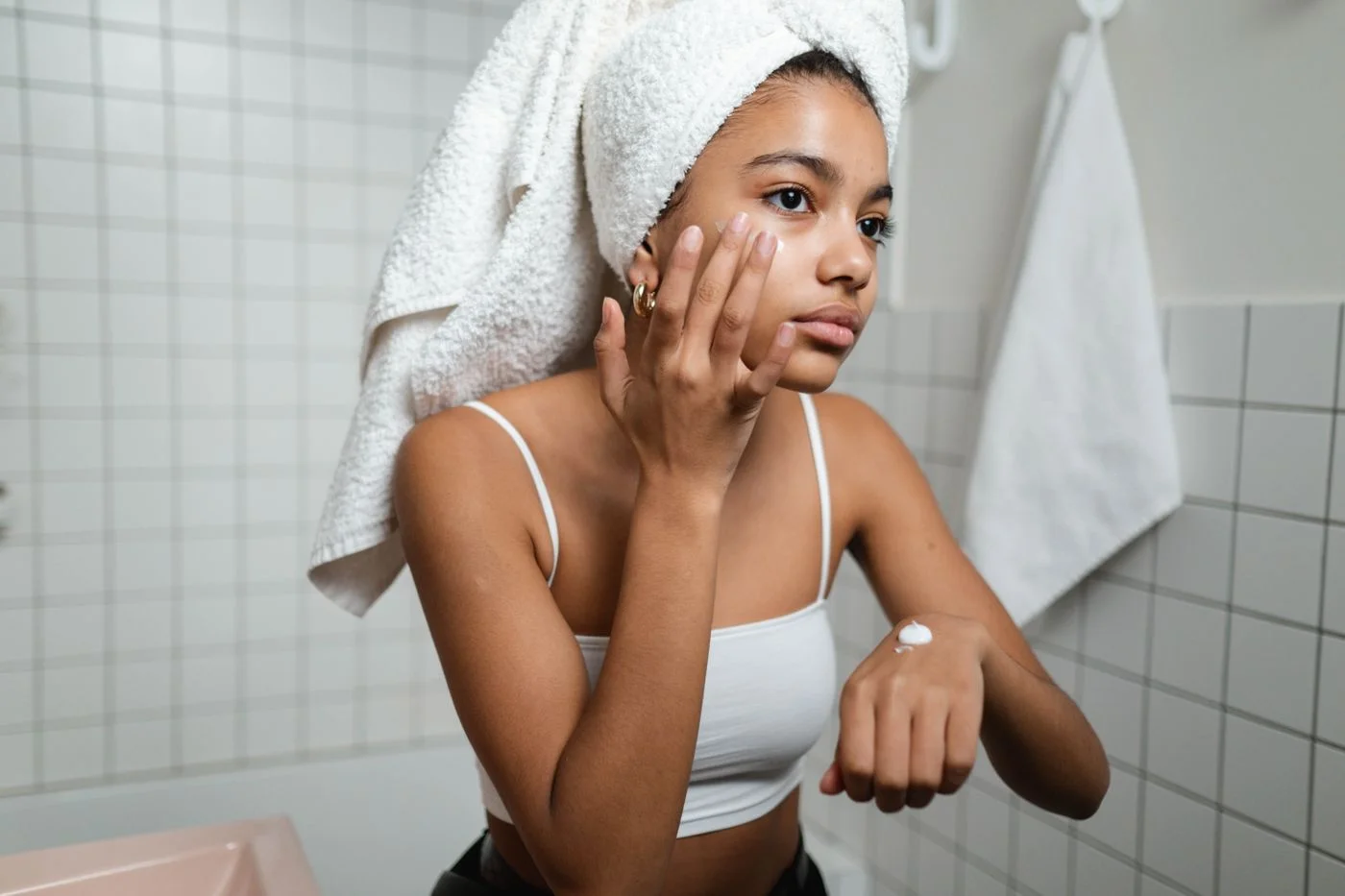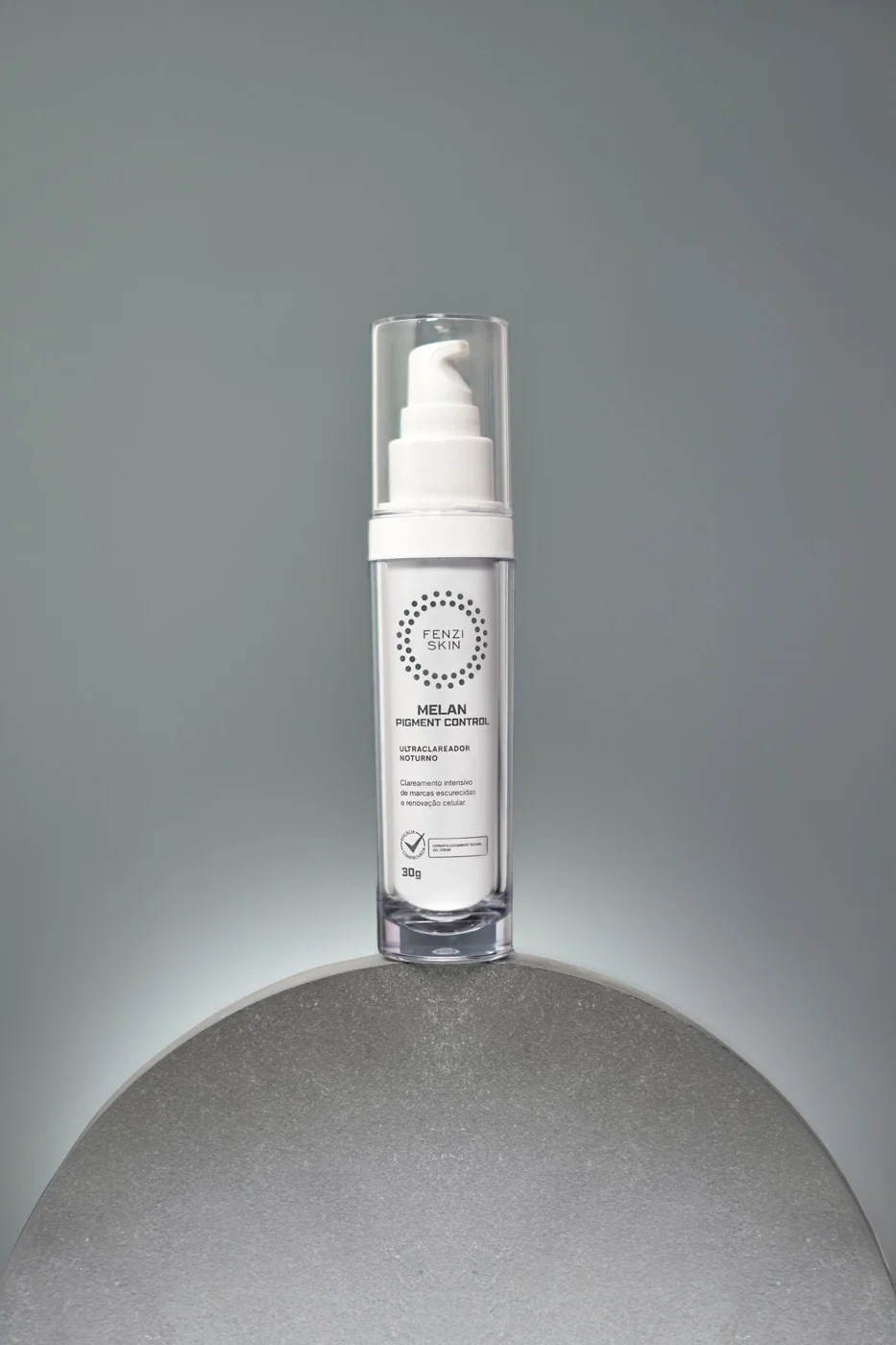
AHA stands for alpha hydroxy acid. You may see names such as glycolic acid or lactic acid on a cosmetic label. The front of the bottle often emphasizes smoother-looking skin, but the back is where the practical decision begins: intended use, application instructions and warnings.
The FDA notes that AHA-containing cosmetics can increase sensitivity to sunlight and the chance of sunburn. Its recommended warning includes sun protection during use and for a week afterward. That is a meaningful part of using the product, not a small-print detail to consider only on beach days.
Strength is not the whole comparison
A percentage does not describe the complete formula or tell you whether it suits your skin. Avoid treating the highest number as the best value. Concentration, formulation and directions belong together, and an at-home product should not be confused with a professional procedure.
Read whether the product is meant to be rinsed off, where it may be applied and how often the manufacturer says to use it. Do not extend contact time or add extra applications because the first use does not produce a dramatic effect. More intensity is not a useful substitute for following directions.
Check the rest of your routine before introducing it. If several products already exfoliate, or you use prescribed treatments, seek appropriate advice about the combination. There is no universal calendar that makes every mix of products suitable.
Keep the purchase connected to the day
Think about outdoor plans, the products you already use for sun protection and whether the extra instructions fit your routine. If you cannot comfortably manage the required precautions, it is reasonable to pass on the product.
A useful comparison sheet has a few plain columns: intended area, rinse-off or leave-on, application instructions, warnings and the manufacturer contact details. Put the percentage in context rather than allowing it to become the only column you read. If a seller supplies an impressive number but no understandable use instructions, that is a reason to look elsewhere.
Keep screenshots of the product information if the printed label is difficult to read, but check that they refer to the same version you receive. A marketplace title can combine several variants, and reviews of one formula do not necessarily describe another bottle in the listing.
Do not make a homemade peel from concentrated ingredients or use a product sold for professional use as a shortcut. A lower price or a dramatic before-and-after image does not tell you what is appropriate for your skin.
If a product causes a significant reaction, stop using it and obtain medical advice. Keep the packaging so you can identify exactly what was used. AHA skincare can be discussed without treating tingling, peeling or discomfort as achievements. The most important reading happens before the first application, while the bottle is still a choice rather than a commitment.