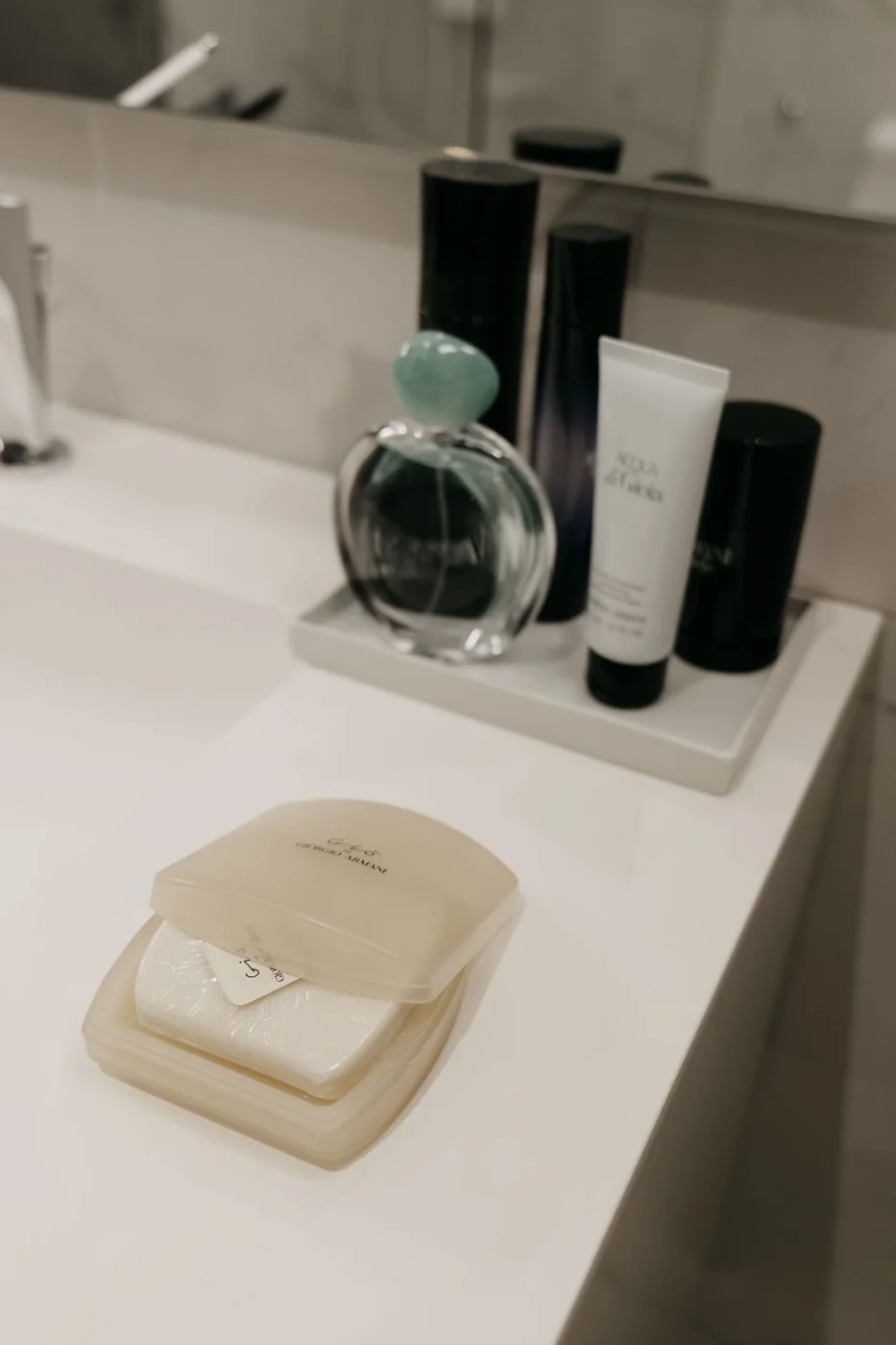
Lotion and cream are useful starting descriptions, but they do not tell the whole story of a body moisturizer. One lotion may feel rich, another light; one cream may spread easily, another may be difficult to use quickly. The product's actual behavior matters more than the category name alone.
The American Academy of Dermatology notes that creams and ointments can be more effective than lotions for dry skin. That guidance can help when dryness is the concern, while persistent symptoms still deserve individual advice rather than repeated cosmetic experiments.
Match the product to the occasion
A morning application before getting dressed may call for a finish you find comfortable under clothes. An evening routine may allow more time for a richer texture. You do not need to force one product into every setting if two clearly different uses make sense for you.
Think about the area too. A small dry-feeling patch on an elbow and a whole-body application ask different things of the packaging and amount. Read intended uses and warnings rather than assuming every body product is suitable everywhere.
Fragrance is another practical consideration. A scented moisturizer may be enjoyable to you but unwelcome in a shared workspace or close setting. If you are avoiding fragrance or have a known sensitivity, read the actual label and ingredient information rather than relying on how faintly the product smells.
Compare two realistic routines
For a rushed work morning, a pump bottle placed within easy reach may be convenient. The question is whether the formula is comfortable and the dispenser gives a manageable amount. A large pump that delivers far too much can make a supposedly quick routine messy.
For a slower evening, a jar may be acceptable if you wash your hands before use and keep it closed afterward. Its richer feel may be welcome, but it still needs safe application and cleanup so floors and bedding do not collect product unintentionally.
Neither example determines what you should buy. They show why texture and packaging belong in the same decision as the product's purpose.
Buy a quantity you can judge
Consider a household where one person wants a fragrance-free daily product and another enjoys a scented lotion occasionally. A shared large bottle may not actually serve both needs well. Separate clearly labeled products can be more practical than buying a compromise that neither person enjoys using.
Conversely, one familiar product may work for several appropriate uses and reduce the number of partly finished containers. The decision should come from the product's labeled uses and the household's preferences, not a rule that everyone must own a distinct cream for each small area of the body.
A large container can offer value when it is already a familiar favorite. For a first trial, consider whether the size creates pressure to keep using a product you dislike. Follow storage and usable-life guidance, and keep the label intact.
You can prefer a lotion for one part of the year and a cream for another without treating the change as a rule for everyone. Let comfort, actual dryness and the routine you will carry out guide the choice.