A carry-on skin kit has two jobs: it needs to fit your routine and meet the requirements of the airports on your itinerary. Those requirements can change, so check the relevant airport or transport authority before packing instead of relying on the last trip's memory.
Start by identifying products that must stay with you. Prescribed items may have separate travel considerations, which you should check with the appropriate authority and your pharmacist when needed. Do not discard instructions or identifying labels just to make the pouch look uniform.
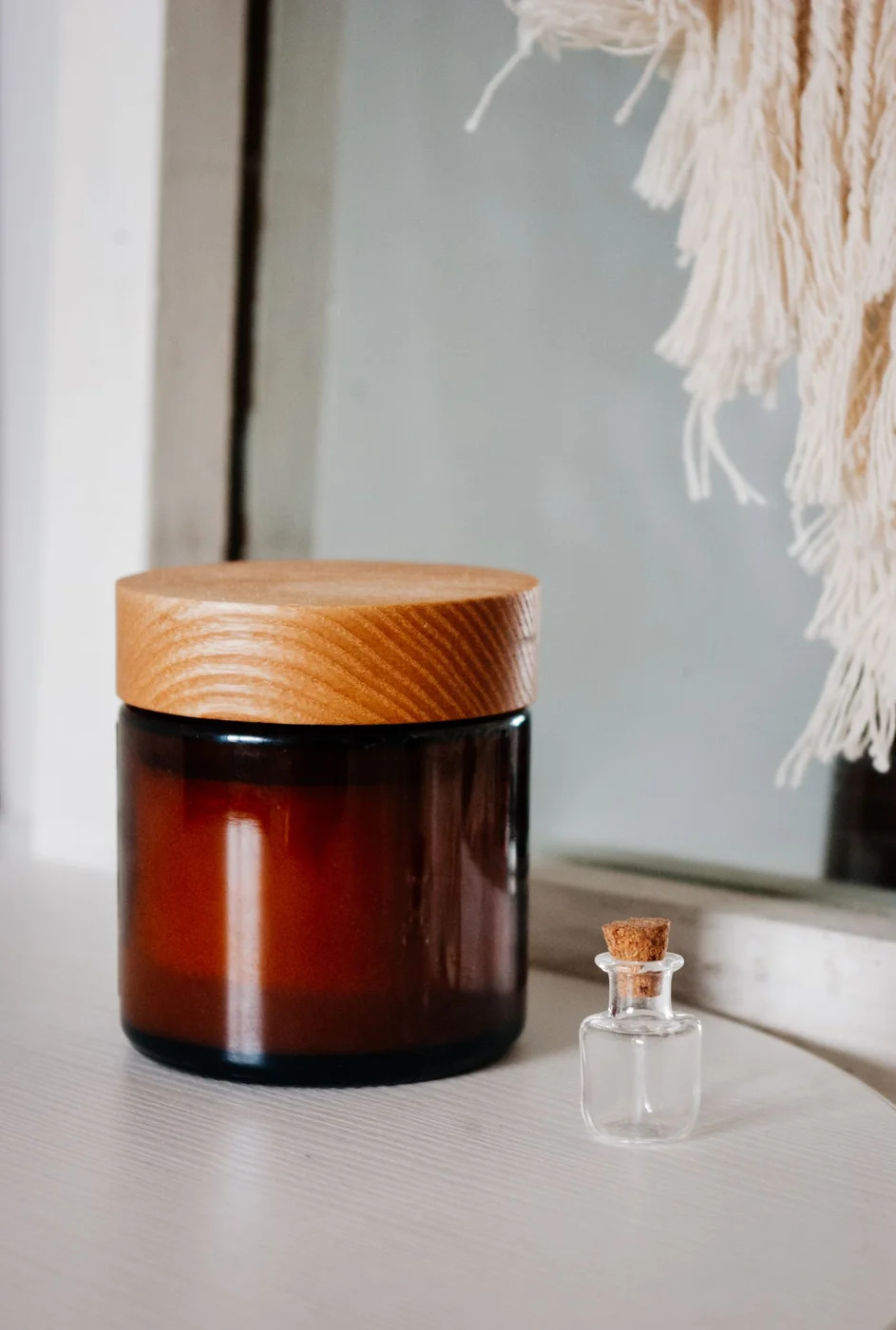
For ordinary cosmetics, small original containers are often the simplest option. They keep the product name and directions attached. Decanting can be useful in some situations, but a collection of identical unmarked pots creates a new problem: remembering what each contains, when it was filled and whether the container is suitable.
Reduce the routine before reducing the bottle
A weekend may not require every optional layer. Decide what you plan to use, then work out the size. This is more efficient than buying a tiny container for each product you own. If you will wear simple makeup, you may also need a simpler removal kit.
Close containers securely and check them before packing. A pump that cannot lock or a lid that catches only halfway deserves attention at home. Place products where a leak will be contained, but remember that a pouch does not make a poorly closed bottle reliable.
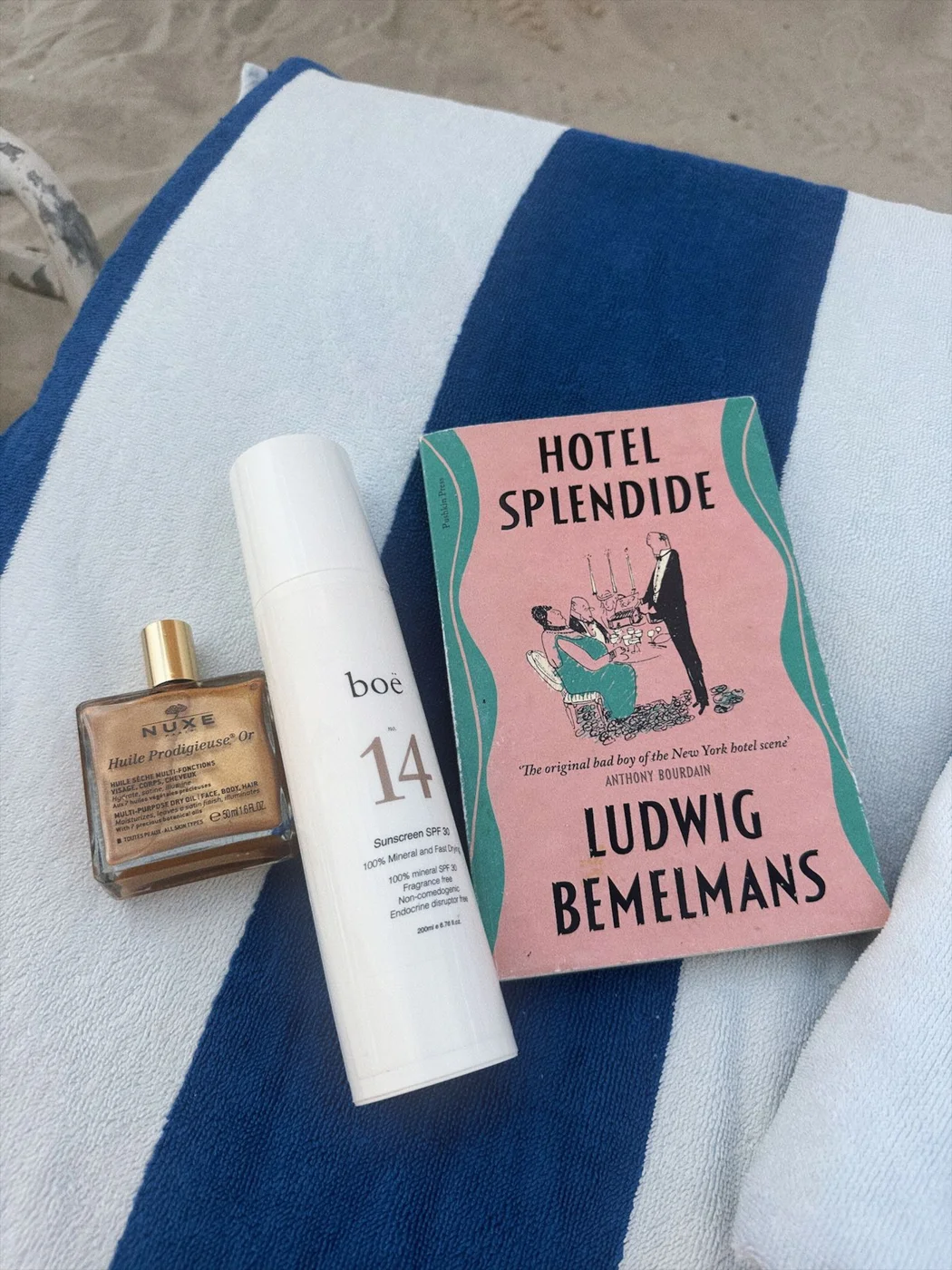
Keep sunscreen in its labeled packaging when possible so directions and expiration information remain available. A product's role does not disappear because it is part of a beauty bag. Avoid mixing products together to save one container.
Make the arrival easy
For a two-night trip with simple makeup, the first draft of the kit might include a familiar cleanser, moisturizer, suitable sunscreen and a remover only if your chosen makeup needs it. Add prescribed items according to your instructions. That starting list is deliberately about tasks, not a mandatory set of bottles.
For a longer journey, think about replacing supplies at the destination rather than squeezing everything into tiny pots. Check whether the exact product is available before depending on that plan. If you cannot easily replace something you rely on, carrying an appropriate labeled quantity may be worth more space than an optional mask or tool.
Put the products you need first near the opening of the pouch. After a long journey, it is helpful to find the cleanser and moisturizer without unpacking every cable and accessory. Keep a clean towel or your accommodation's towel arrangements in mind too.
When you return, unpack the kit rather than storing it ready-made indefinitely. Check levels, clean spills and remove products whose condition or usable life is uncertain. A carry-on kit works best when it is prepared for a particular journey, not treated as a permanent collection that never needs review.