A gel can feel light and refreshing; a cream may feel more cushioned; an oil or balm can be useful when you are removing long-wearing makeup. Those descriptions help explain the experience of washing. They do not tell you everything about a formula's ingredients or how your skin will respond.
Start with the task. Are you washing off an ordinary day, removing a full makeup application, or looking for something convenient after exercise? A cleanser that is pleasant at the sink may be awkward in a gym shower if the container needs dry fingers or a separate scoop.
Read past the texture name
Check whether the product is meant to go onto wet or dry skin, whether it must be rinsed, and whether it is intended for the eye area. Balms and oils are not all used the same way. Some are designed to turn milky when water is added; others have different removal instructions. Following the label is more reliable than assuming every product in the category behaves alike.
Think about the finish you prefer. Some people enjoy a light residue; others dislike it immediately. You should not have to scrub repeatedly to achieve a particular sensation. If a cleanser only feels acceptable after several extra steps, its convenience may not match your needs.
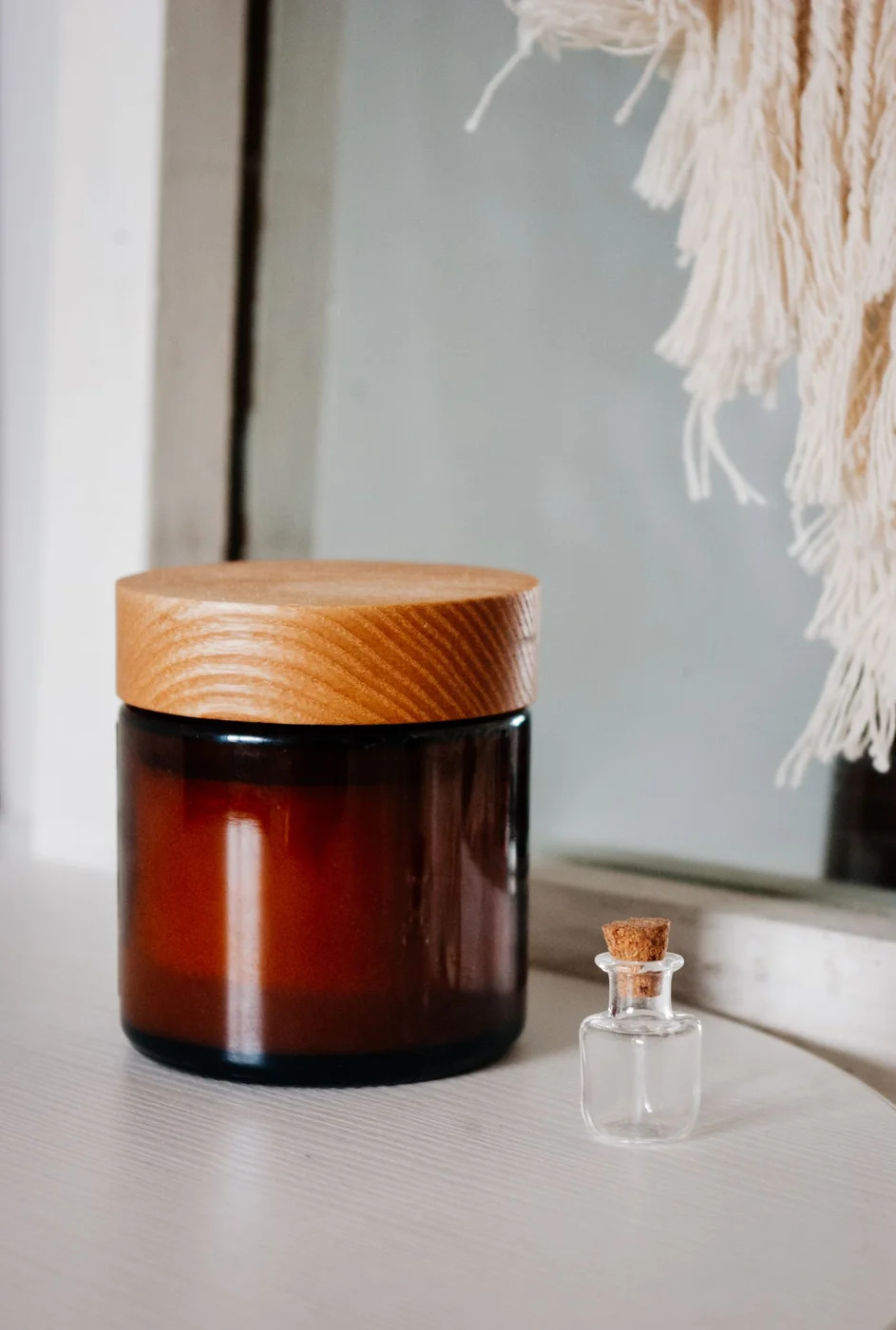
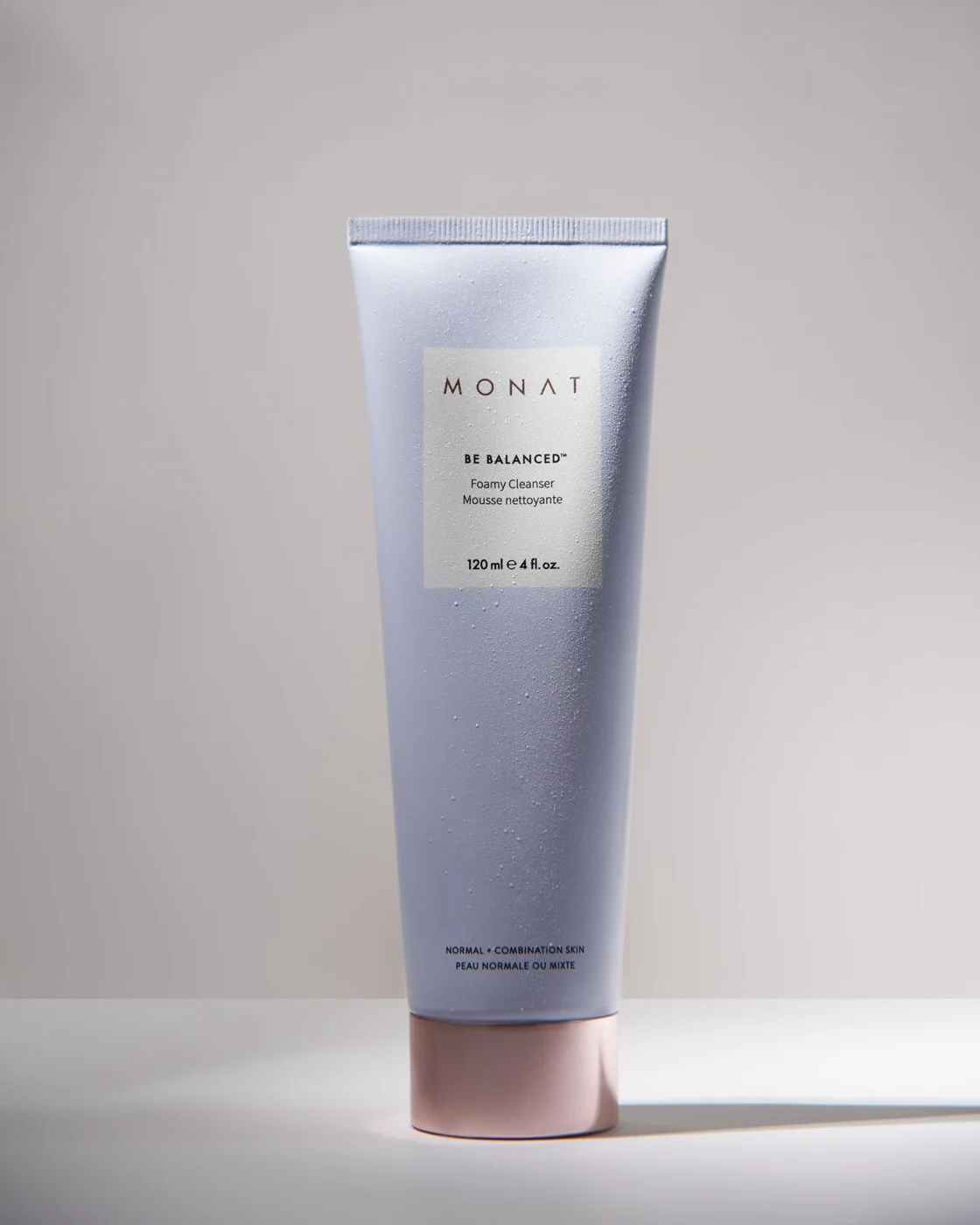
The bottle also deserves attention. A pump may be easier for a shared sink. A tube can travel well. A jar needs a sensible place to open and close it. Compare the amount you would use rather than judging value from the size of the container alone.
Try a normal evening
Three different bathrooms
In a shared household, a pump cleanser may be easier to identify and use than several open jars. For somebody who removes a full makeup look each evening, the ability to remove the chosen products comfortably may matter more than the bottle's size. For a frequent traveler, a secure cap and readable small-container label can decide whether an otherwise pleasant cleanser is practical.
These examples do not assign a texture to a skin type. They show why the same recommendation can be helpful to one person and inconvenient to another. Before paying for a cleanser, imagine the complete wash in your own bathroom, including how you will close the container and rinse the product away.
When you introduce a new cleanser, keep the rest of the evening familiar. Notice the application, rinsing and how your face feels afterward. Do not add a new exfoliant and moisturizer at the same time if your aim is to understand the cleanser.
Write down a few plain observations: easy to rinse, difficult cap, strong scent, comfortable finish. Those notes are more useful for the next purchase than deciding that all gels are drying or all creams are gentle. A texture is a starting point, not a complete description of the product.