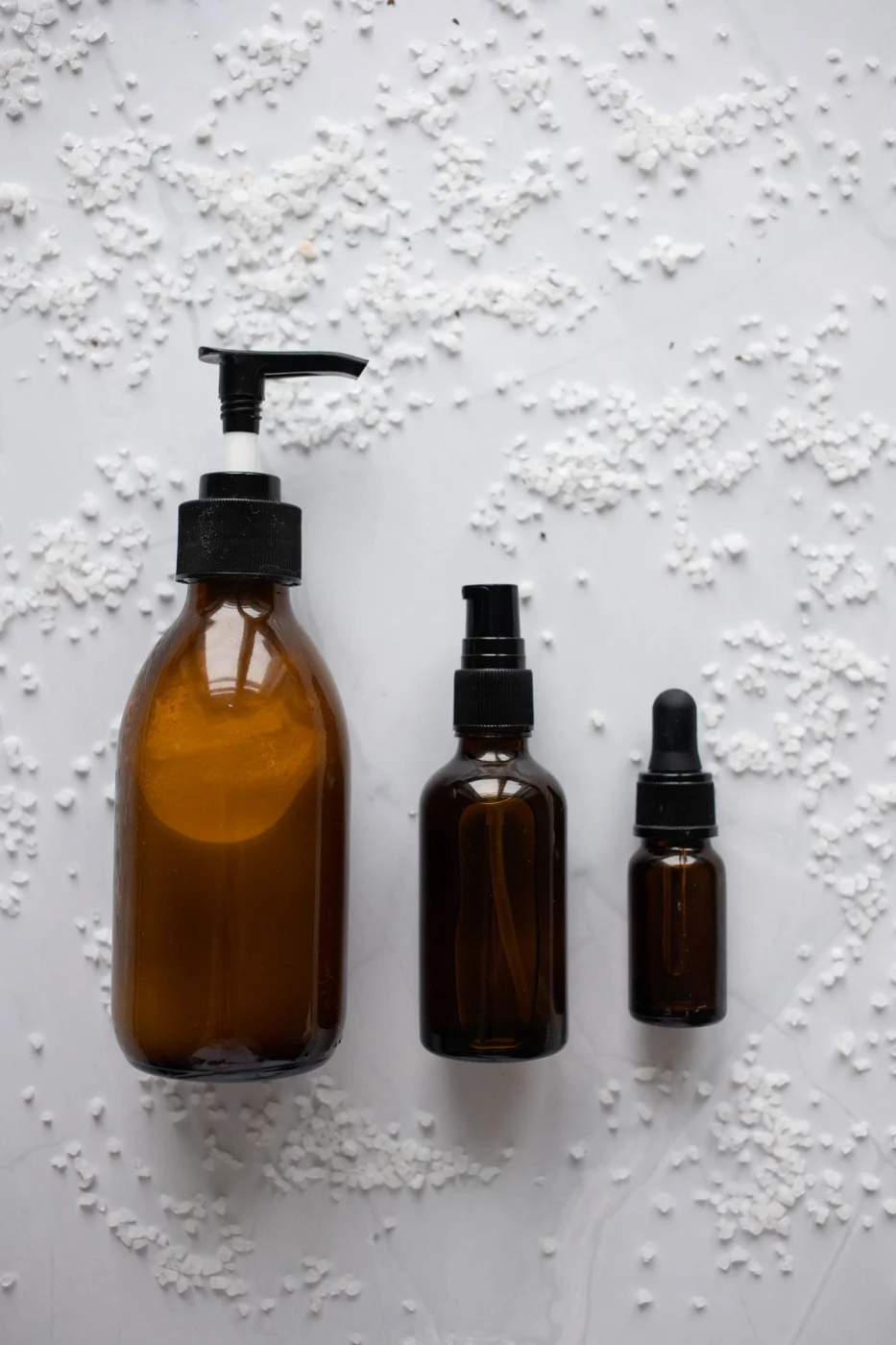
Micellar waters are often sold as the quick option, which makes it easy to skip reading the back of the bottle. Yet rinse instructions, eye-area directions and intended uses can differ. Treat the product in front of you as an individual formula rather than assuming every clear bottle works the same way.
Look for the instructions before wetting a pad. Does the label say to rinse, leave it on, or use it only for a particular area? Is it described as a makeup remover, a cleanser, or both? These details decide where it belongs in your routine.
Make the quick version workable
Set aside enough clean pads to complete the task comfortably. A pad that has become heavily coated with makeup is not a good reason to press harder. Replace it and work gently, avoiding repeated rubbing over the same area.
If you prefer reusable pads, choose ones that can be washed according to their care instructions and dried fully between uses. Keep the clean supply separate from the used stack. A small open basket works for clean pads; the used ones need a route to laundry rather than a permanent place beside the sink.
Consider what you plan to apply next. If the product leaves a feel you dislike or seems awkward beneath moisturizer, note that rather than covering it with more layers. You may simply prefer a rinse-off routine at home and a different option for travel.
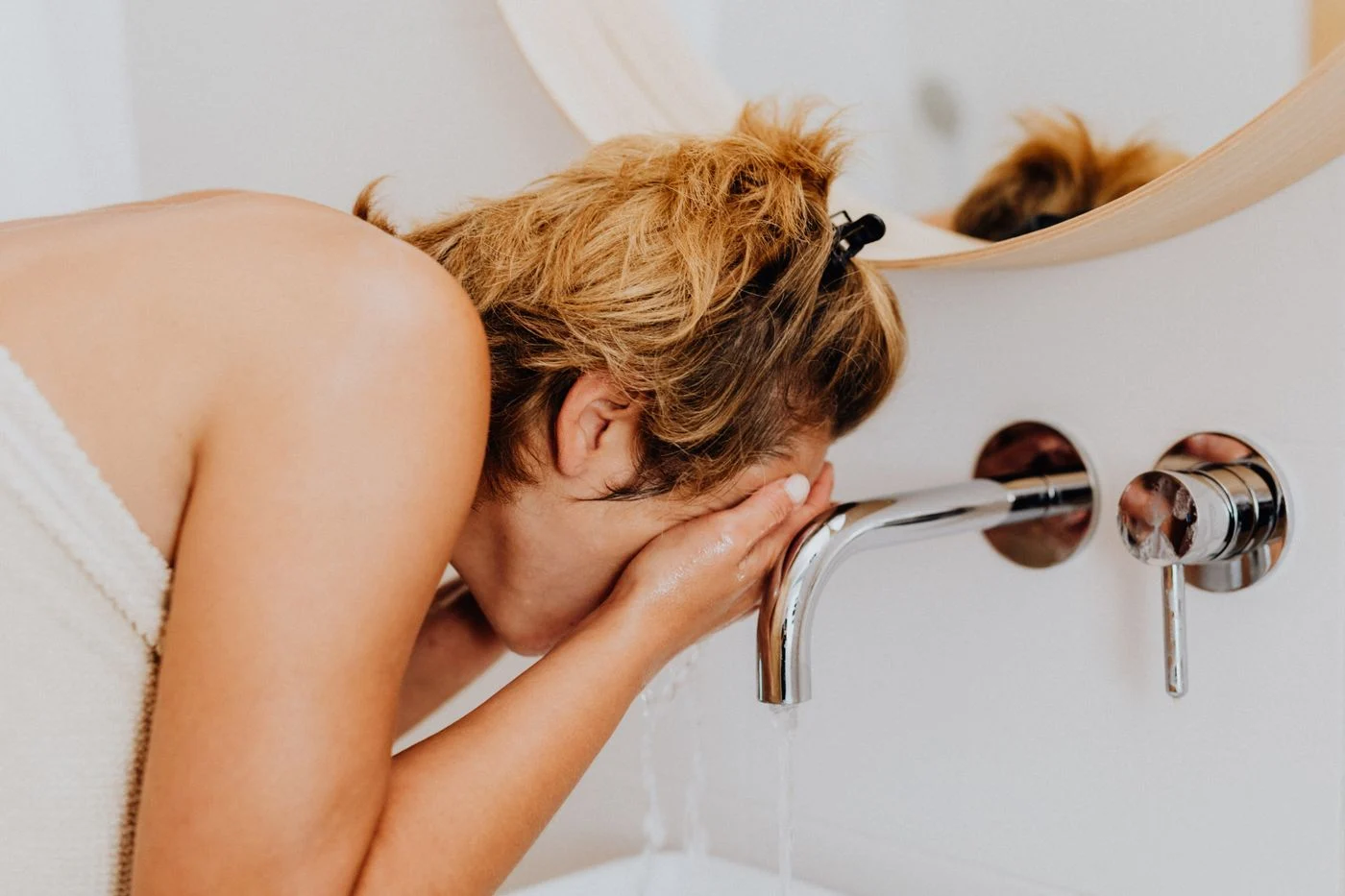
A bottle in a gym bag can be handy, but it does not make every situation a no-water situation. If you have access to a sink and prefer washing, there is no need to replace that habit. Likewise, a travel bottle is only useful if it remains clearly labeled and appropriate for the product's storage requirements.
Stop using a formula that causes irritation, and avoid interpreting discomfort as evidence that it is cleaning deeply. For eye symptoms or a persistent reaction, obtain medical advice. The ideal shortcut removes steps you do not need; it should not create a new problem you have to work around.