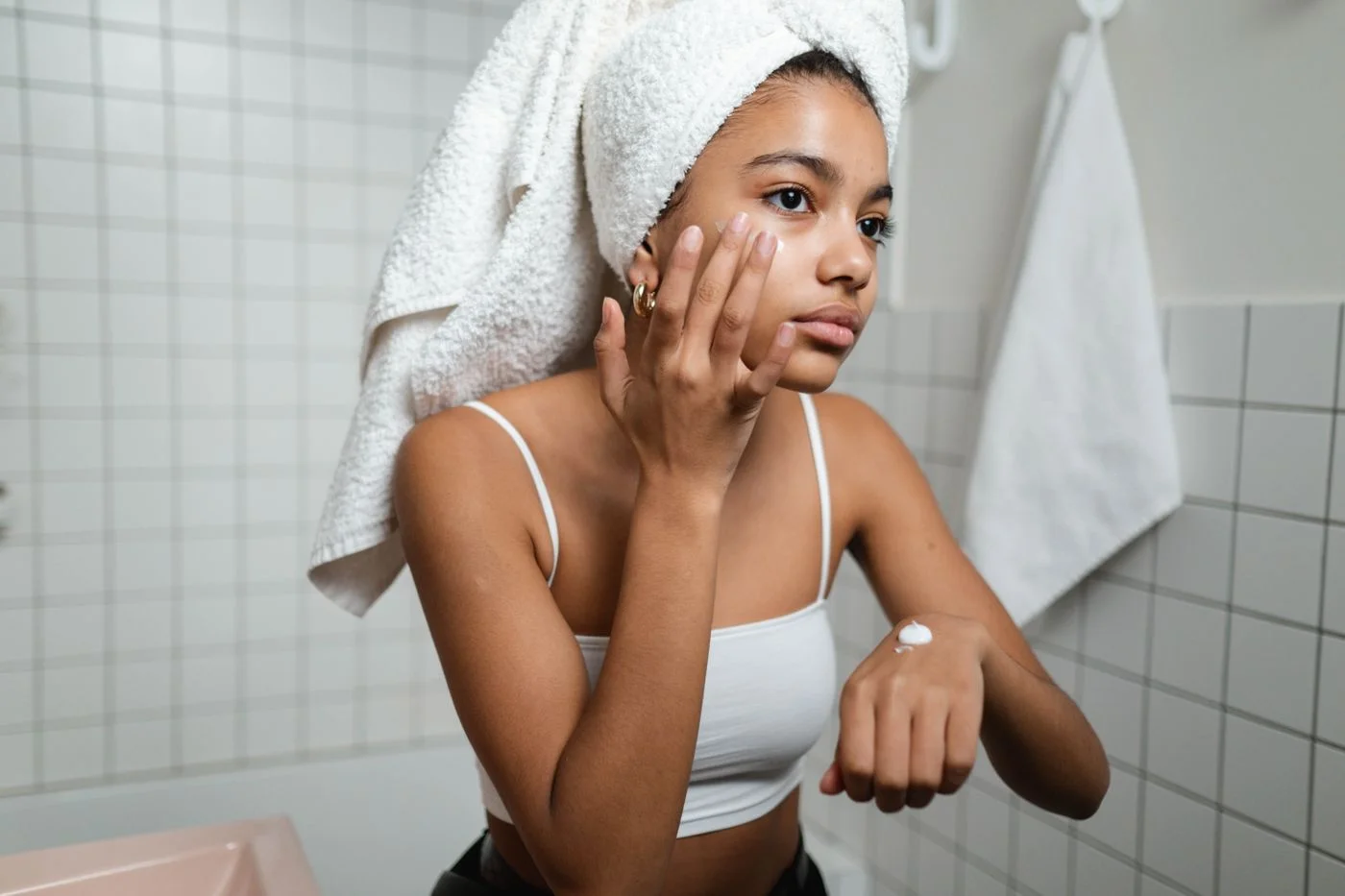
The moisturizer you like before bed may not be the one you enjoy under a collar, glasses and makeup. Texture is partly about the product and partly about what happens after you apply it. A rich finish can feel welcome during a quiet evening and inconvenient when you are trying to leave the house.
Start with the setting in which the product will be used most. If you want a morning moisturizer, assess it during a normal morning. If you are shopping for something to use after an evening shower, do not judge it only from a tiny hand sample under store lighting.
Describe the finish in ordinary words
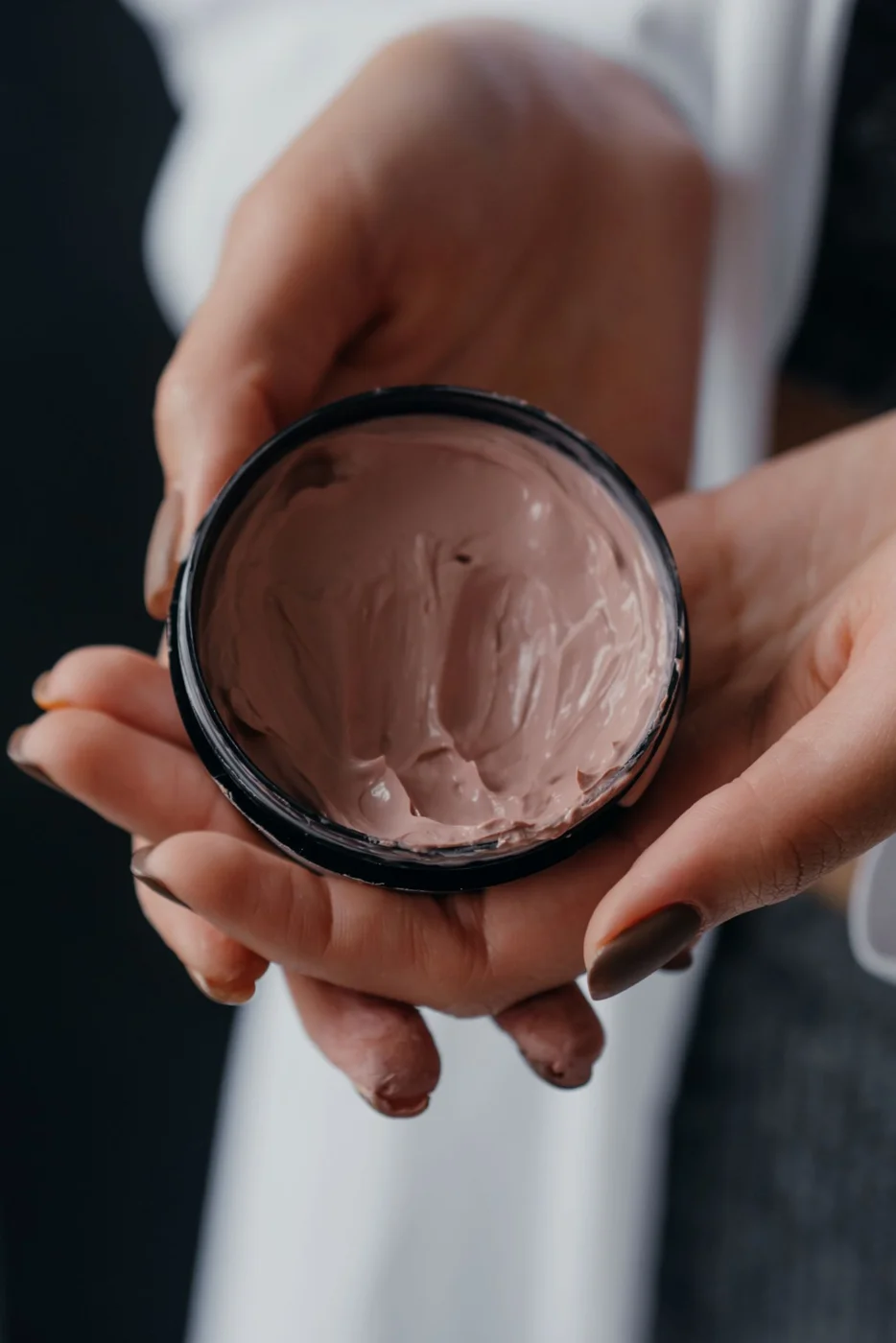
Useful observations include slippery, cushioned, tacky, light, shiny or slow to settle. These are more informative than deciding whether a product feels expensive. A smooth jar and a strong fragrance can affect the first impression without telling you whether the formula will be comfortable over several hours.
Consider how easily it spreads. A product that seems economical in the store may be frustrating if you need several attempts to distribute it comfortably. Conversely, a large pump dose can encourage you to use more than you intended. Learn how the packaging dispenses before deciding that the formula itself is too heavy.
Do not mix sunscreen into moisturizer to change the feel. Use each product according to its directions, and assess a dedicated sunscreen separately. Convenience is not a reason to alter a product whose protection depends on its tested formula and application.
Compare without building a collection
If you already have two options, try them on different ordinary days while leaving the rest of your routine similar. Note the weather, whether you wore makeup and how the product felt later. That does not turn a casual comparison into a scientific experiment, but it helps you avoid blaming a cream for every change in the day.
A useful comparison can be as simple as two notes made several hours apart. The first describes application: easy to spread, takes time to settle, pump gives too much. The second describes wearing it: comfortable beneath the scarf, noticeable on the glasses, pleasant on a makeup-free day. Separating those moments prevents a lovely first impression from deciding the whole purchase.
If you are testing a store sample, ask how it is provided and avoid using a shared open tester directly on your face. A sealed sample, when available, gives you a better opportunity to follow the directions in your own setting. Even then, introduce it carefully rather than assuming a small package makes a reaction impossible.
A product can be perfectly usable and still be wrong for your preferred routine. You might keep a richer cream for evenings or finish a lighter lotion during warmer weather, provided it remains suitable and within its usable life. There is no need to assign every texture to an entire skin type or season forever.
Keep the notes short enough to use: comfortable under glasses, too shiny for this foundation, easy to apply after washing. The best choice is one whose everyday behavior you understand.