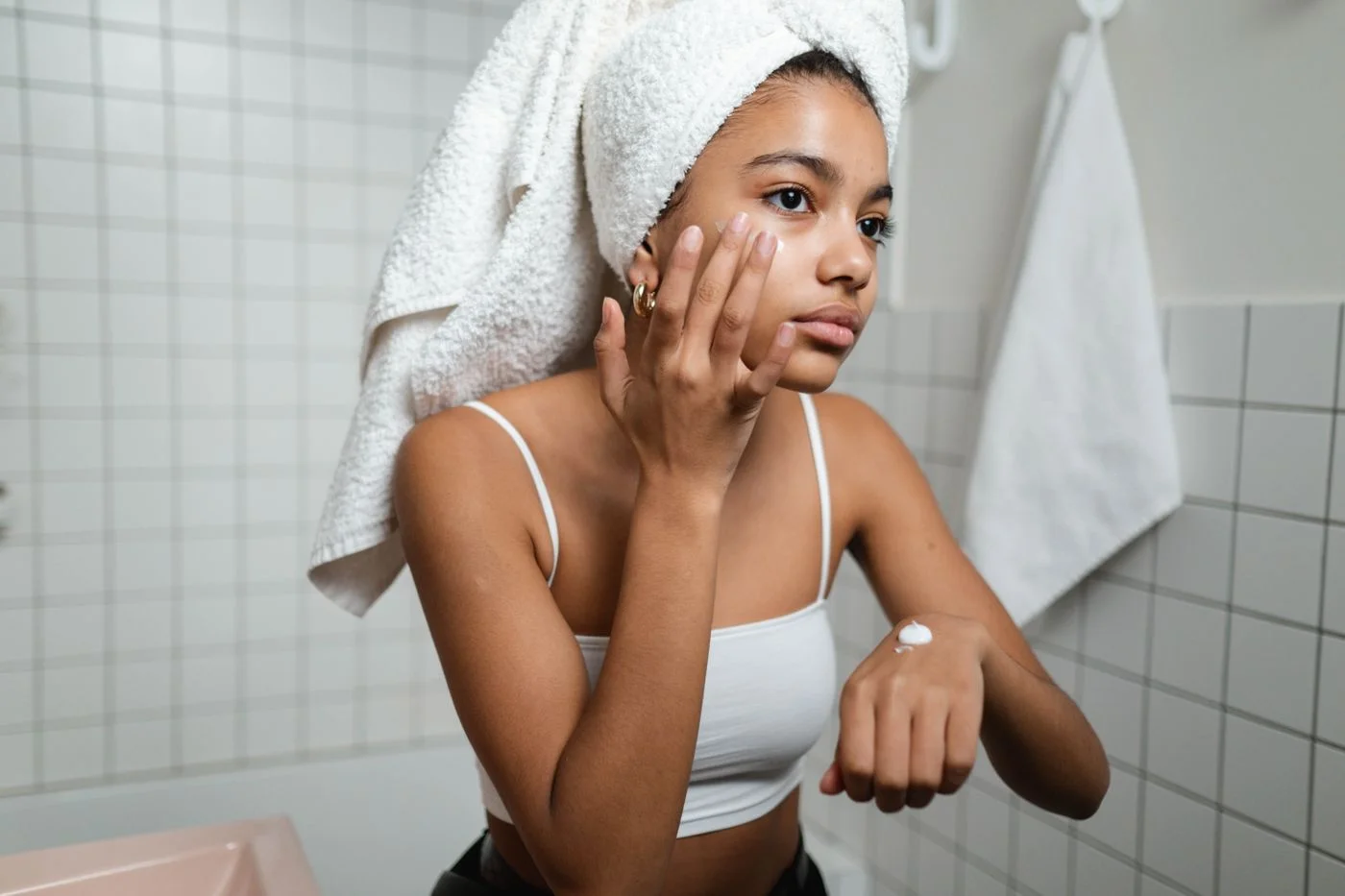
A face can look different in two photographs taken minutes apart. Window light, camera distance, expression and a phone's automatic processing all change the image. Before using photographs to judge a skincare change, make the setup more consistent and the expectations more modest.
Choose a plain location with similar lighting each time. Avoid switching between bright direct sun and a dim bathroom. Keep the camera at roughly the same distance and angle, and use a relaxed expression. Turn off beauty filters or smoothing features when possible.
Take a wider image as well as any closer view you need. The wider view preserves context, while a tight crop can make a small area seem more dramatic than it does in ordinary life. Do not stretch the skin or rub it immediately before photographing it.
Record the circumstances
A short note can say when the picture was taken, which new product was introduced and whether makeup was present. If the purpose is discussing a reaction with a clinician, record symptoms and timing rather than trying to interpret the photograph yourself.
Photographs cannot prove that one product caused an improvement or a problem. Other changes may have occurred, and the camera itself can alter color and texture. Treat the images as supporting information, not a home diagnostic test or a substitute for appropriate medical advice.
Set a sensible limit on how often you take them. Constant checking can make ordinary variation feel urgent without giving you clearer information. If the process becomes upsetting or encourages picking at the skin, step away from the camera.
Keep the images private by default
Store them somewhere you can find them if needed, and think before uploading them to an app or public group. A close facial image is personal information. Check the service's privacy practices rather than assuming a beauty app treats photographs only on your device.
You do not owe the internet a before-and-after comparison. Photos can be useful for your own notes or a healthcare conversation without becoming content.
When the original question has been answered, stop taking pictures. The purpose was to make a change easier to describe, not to create a permanent project of measuring your face. Ordinary skin continues to move, reflect light and look different from day to day.