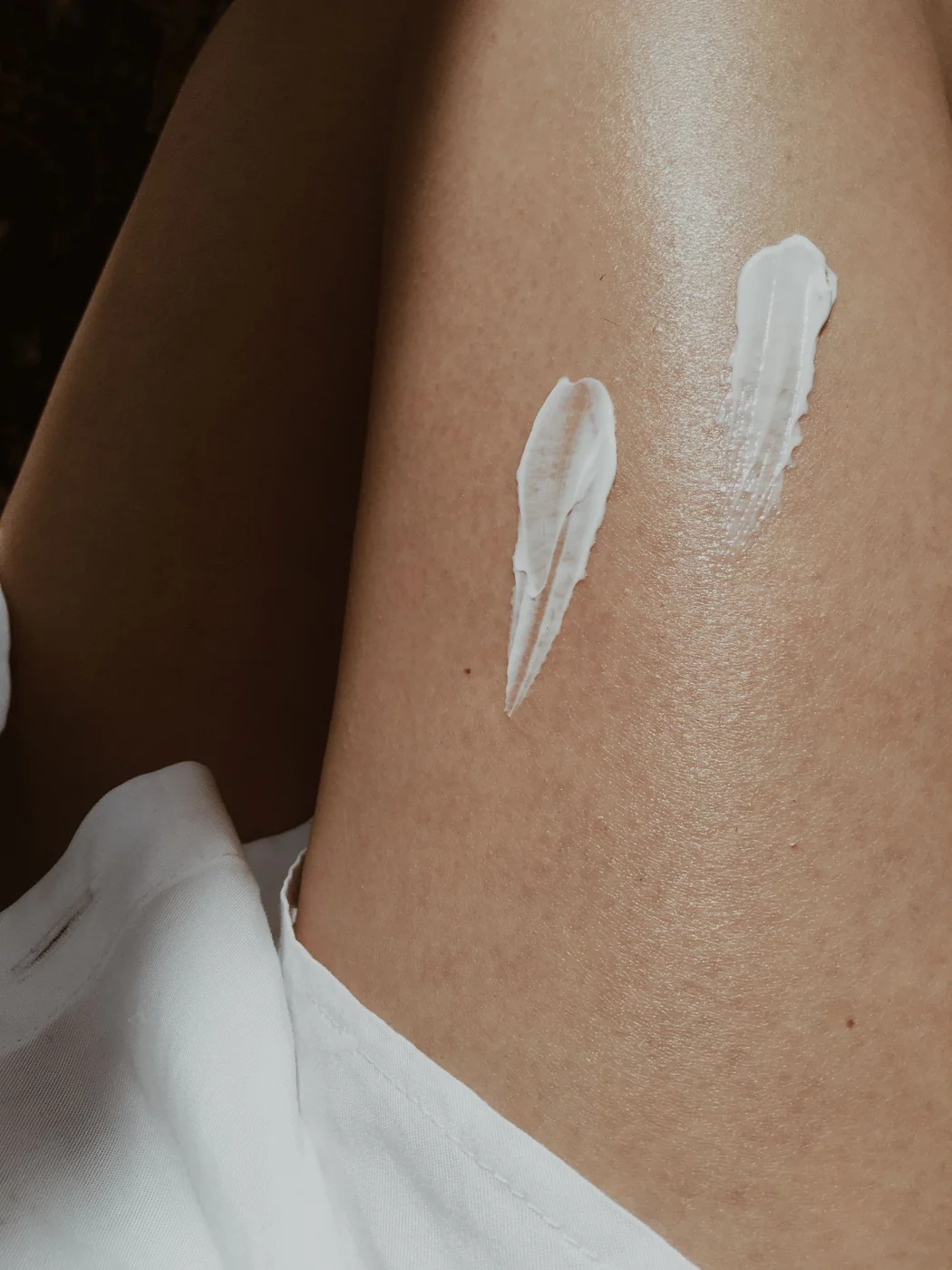
You finish applying a serum, start smoothing on the next layer, and small flakes begin collecting under your fingers. This is often described as pilling. It can be difficult to tell at first whether you are seeing product residue or skin flaking, so avoid immediately treating it as a call for exfoliation.
Look at when it appears. Does it happen only as you rub in a particular combination? Is the skin visibly flaky before any products go on? Those observations help frame the next step. Persistent skin flaking or discomfort is a different concern from a formula that rolls up during application.
Rebuild the sequence slowly
On a day without time pressure, use your familiar basics and leave optional layers out. Follow the directions for each product. If the simpler combination sits comfortably, add back one optional item on another occasion. This approach is slower than replacing everything, but it gives you a better chance of identifying the awkward pairing.
Check quantity and rubbing. An extra pump can make a large difference to the amount sitting on the skin, and repeated massaging can disturb a layer that had already settled. Do not keep working the surface once it starts rolling. Pause, reassess and avoid applying more product simply to cover the residue.
Sunscreen deserves particular care. If it pills or comes off unevenly, do not assume the original application still provides an even layer. Follow the product's application directions and use a routine that lets you apply it properly. Mixing it into another product is not a solution.
Keep a useful record
Note the exact products, the order and whether makeup was involved. Two products with similar front-label claims can behave differently, so a note saying serum plus cream is less useful than the names. There is no need to turn ingredient families into a blanket compatibility rule from a single experience.
One possible comparison is to keep the cleanser, moisturizer and sunscreen familiar while leaving out a newly added serum. Another is to use the same products but change how vigorously foundation is blended over them. These answer different questions: the first examines an extra layer, while the second examines handling. Do not change both on the same morning if you want to learn which adjustment mattered.
Keep the successful combination written down rather than relying on memory when the next bottle arrives. A routine that works with a particular foundation may need reassessment when the foundation changes, even if the skincare products remain the same.
If the problem disappears when you remove an optional layer, you can leave that layer out. If a product is consistently difficult to wear, its place in the routine is worth reconsidering even if it was expensive.
Do not scrape residue away with a tool or add a strong exfoliant to chase a perfectly smooth finish. The immediate task is finding a workable application, while any ongoing skin symptoms deserve their own attention.