The sunscreen that looks best in a comparison chart may still sit unused if you dislike applying it. Shopping needs to account for protection and the everyday experience. Start with the protection requirements, then compare the textures that meet them.
The American Academy of Dermatology recommends broad-spectrum, water-resistant sunscreen with SPF 30 or higher. It also emphasizes that sunscreen is part of sun protection alongside shade and protective clothing. A higher number is not a reason to spend unlimited time outside or ignore reapplication instructions.
Try to picture a real application
Consider where you will use it: face, arms, a shaved head or other exposed areas. A product that is comfortable on the body may feel different around glasses or facial hair. Check the intended use and warnings, especially around the eyes.
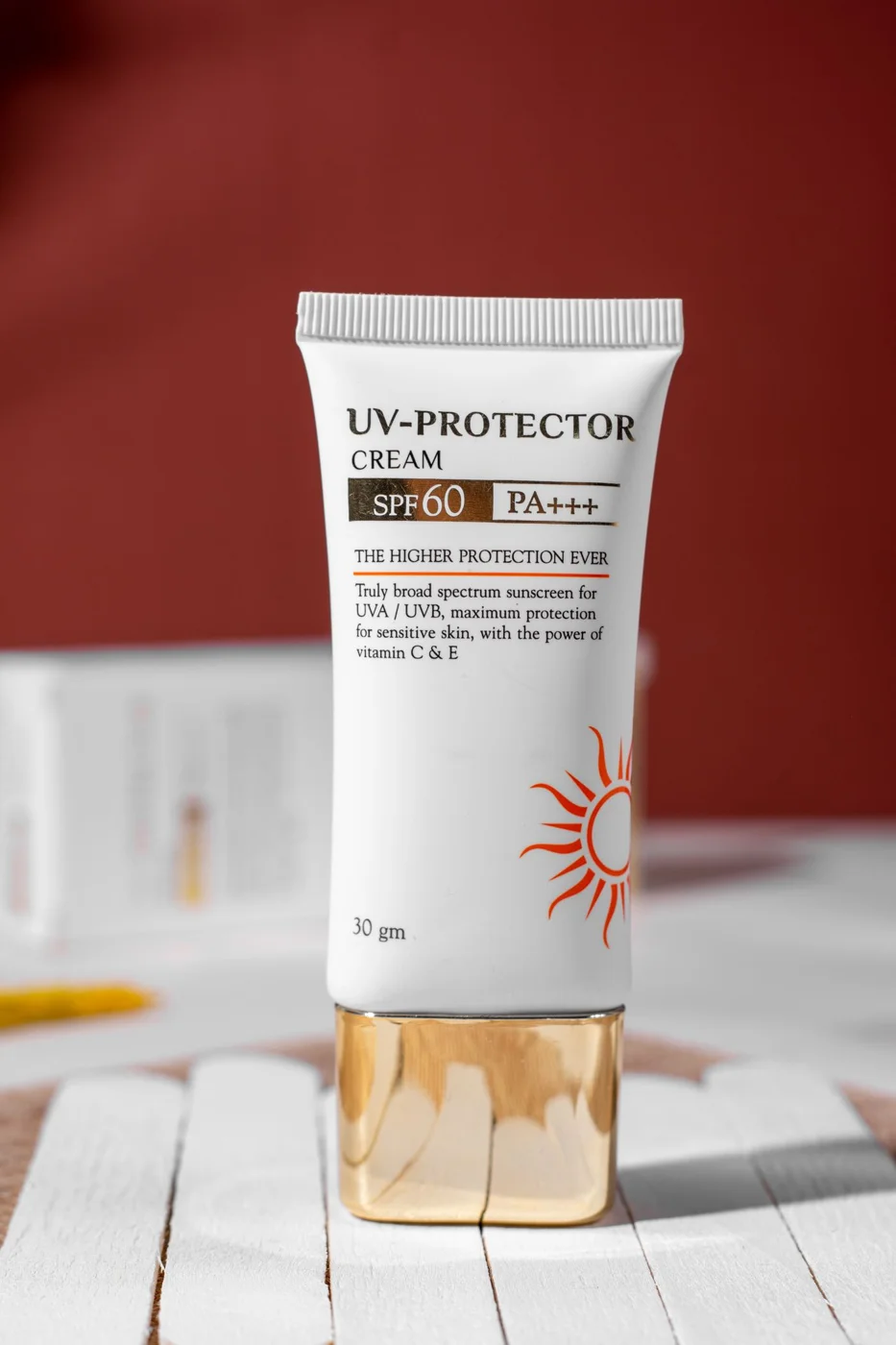
Look at the packaging with the amount you will need in mind. A very small bottle can be convenient to carry but expensive to use for a large area. A larger container may suit home application while a smaller original bottle accompanies you outdoors. The label's directions still matter regardless of size.
Do not choose a product because it encourages you to apply a thinner layer. The tested protection depends on appropriate use. If the finish only looks acceptable when you use very little, keep looking for a formula you can apply according to its instructions.
Consider the day after the purchase
Will you remember to bring it? Can you open the cap easily? Is there a sensible place to store it according to the label? These questions are part of selecting a sunscreen, not merely packing details to solve later.
If a product irritates your skin or eyes, stop using it and seek advice when needed. A pharmacist or dermatologist can help with options suited to your circumstances. Do not respond by mixing it with moisturizer or using less than directed.
A daily face sunscreen and a bottle used for a family outing raise different practical questions. For the face, you may care about glasses, facial hair and makeup compatibility. For larger exposed areas, spreading, quantity and easy access during reapplication become more noticeable. You can choose different suitable products for those jobs without deciding that one must be universally best.
If you are sharing an outing, make sure everyone has an appropriate plan rather than assuming your preferred product fits every age and circumstance. Infants and people with particular medical needs require guidance suited to them. This article's general adult shopping discussion should not be stretched into advice for every person in the group.
Keep expiration information visible and replace the product when required. If its storage history is uncertain, ask the manufacturer rather than assuming it remains reliable.
The best purchase is not necessarily the most talked-about formula. It is a suitable product whose directions you can follow, whose finish lets you use it properly and whose bottle has a realistic place in the days you spend outdoors.