Two bottles labeled vitamin C can differ in texture, ingredients, packaging and directions. That makes the headline a starting point rather than a complete comparison. Before choosing one, read how the manufacturer describes the actual formula and how it should be stored.
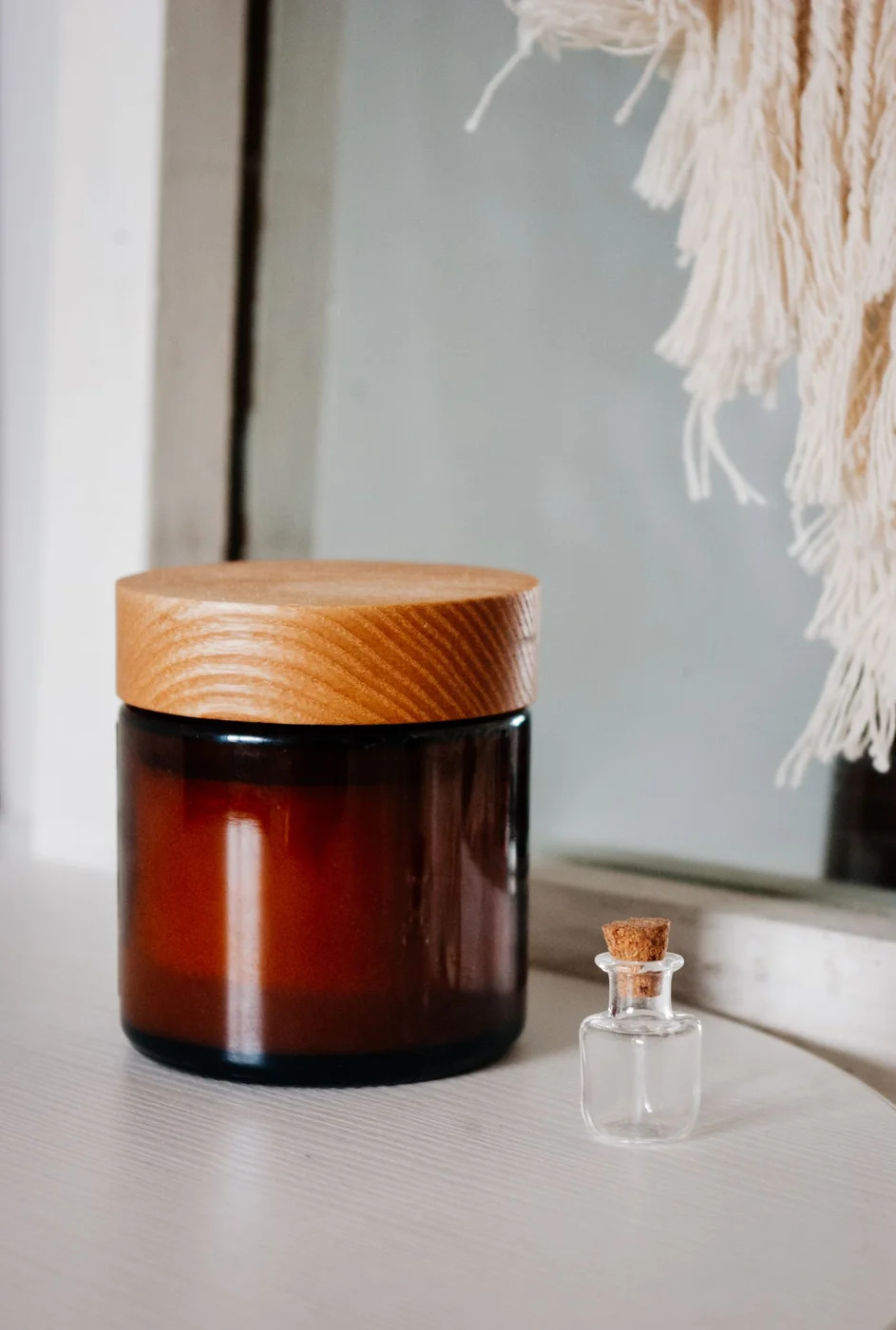
Look at the container you will use every day. Is the cap easy to close securely? Can you dispense the amount you need without touching the opening to your face? Will the bottle fit in a suitable storage spot away from conditions the label tells you to avoid? These details are less glamorous than a percentage, but they determine how the product is handled.
The FDA explains that heat, sunlight, air and other storage conditions can affect cosmetics. Follow the product's own guidance rather than assuming that every serum belongs in a refrigerator or that dark glass makes storage instructions irrelevant.
Do not diagnose the bottle from a photograph
Different formulas can begin with different colors and textures. Ask the manufacturer what changes indicate that its product should no longer be used. Do not rely on a universal color chart found online, especially when you are comparing different ingredients or formulations.
Record when you open the bottle if the usable period is measured from opening. Keep any expiration information visible. A bargain size may be less attractive if it is much more than you expect to use within the manufacturer's guidance.
Read the claims with the same care. Does the company describe a cosmetic effect, provide evidence for the finished product, or mainly discuss an ingredient in general? Ingredient research and a promise about one particular serum are not identical. You can ask for clarification without becoming a chemistry expert.
Make room for an ordinary trial
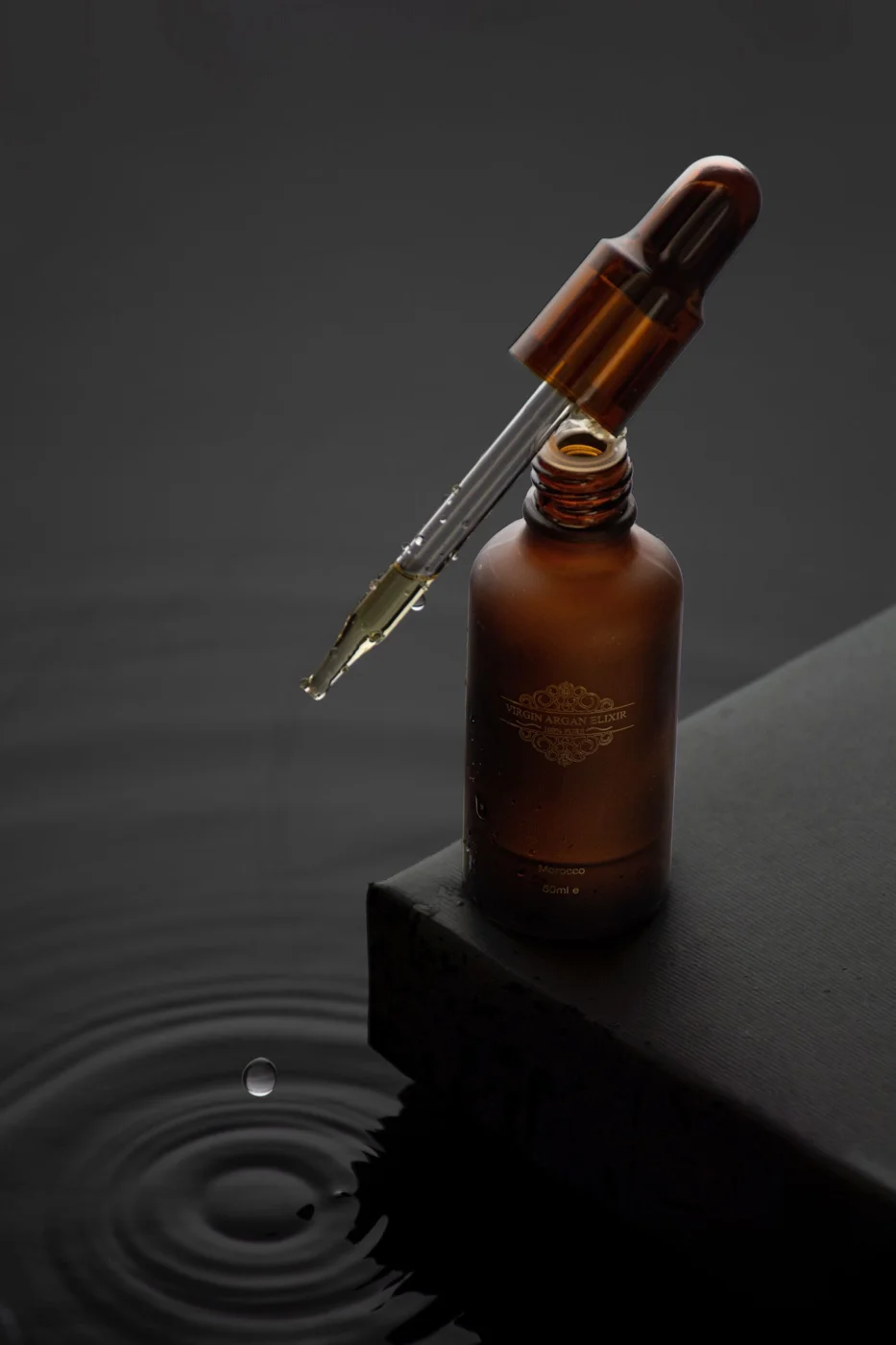
Imagine a dropper bottle displayed on a sunny windowsill because it looks attractive there. Moving it to the suitable storage location described by the maker may be a more useful change than buying a different bottle with an even stronger claim. Packaging can help protect a formula, but it does not remove the user's part in storing it appropriately.
Also ask whether you will finish the quantity while it remains within the manufacturer's guidance. A small bottle used consistently can make more sense than a large discounted one that stays open for an uncertain period. Value includes the usable product, not simply the volume printed on the carton.
Introduce the serum while keeping the rest of your routine familiar, and follow its directions. Consider whether it is comfortable, whether the finish fits beneath the products you use afterward and whether it adds a step you actually want.
A serum is not a replacement for sunscreen or a way to treat a persistent skin condition without advice. Nor is it compulsory because it appears on many recommended-product lists. The useful purchase is one you understand well enough to use and store properly, with expectations that belong to the actual bottle rather than its most prominent word.