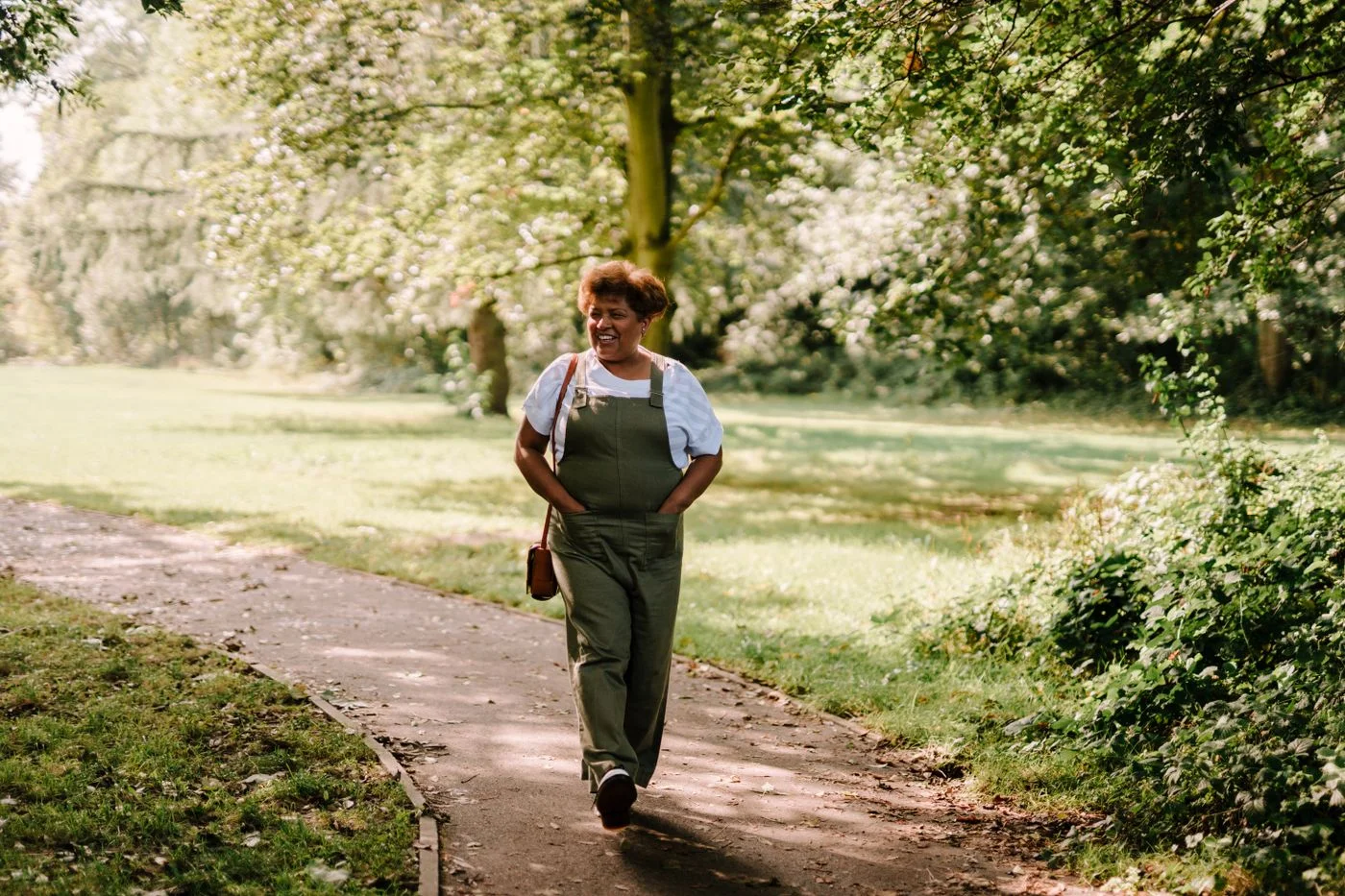
An errand can include a little movement without becoming a major outing. The useful choice is usually a nearby task with a manageable load, not a shopping trip that leaves you carrying too much on an unsuitable route.
Look at errands you already make. Returning a library book, posting a letter or collecting one small item may work on foot if the path is safe and accessible. A large grocery shop or a time-sensitive appointment may call for another form of transport. Practical judgment matters more than making every journey active.
Check the route at the time you plan to go. Crossings, lighting, traffic and weather can change what feels reasonable. Allow enough time that you are not rushing across roads or ignoring conditions to meet a self-imposed goal.
Plan the return load
Choose a bag that is comfortable to carry and does not interfere with balance or visibility. If the errand involves food that needs refrigeration, think about travel time and keeping it appropriately cold. Do not add several extra purchases simply because you are already in the store.
Know whether the destination is open and whether the item is likely to be available. A quick check can prevent an unnecessary second journey. If the errand fails, the walk still happened; you do not need to turn it into a longer route to justify leaving home.
For a combined transit trip, walking one suitable segment may be enough. You can use transport for the less accessible portion without treating the plan as all or nothing. Keep relevant fares, keys and contact information with you.
Leave room to change your mind
Heat, storms, poor air quality or a change in how you feel may make another option preferable. Follow local guidance and any individual activity advice. An errand is not a reason to push through concerning symptoms or unsafe conditions.
If you enjoy company, invite someone with a clear description of the route and approximate duration. A practical destination can make a short walk easy to arrange, but make sure the pace and load suit both people.
Afterward, notice whether the errand fitted naturally into the day. If it did, keep it as an option for future weeks. You do not need a new challenge or distance target. One manageable journey can simply become a familiar way to get an ordinary task done.