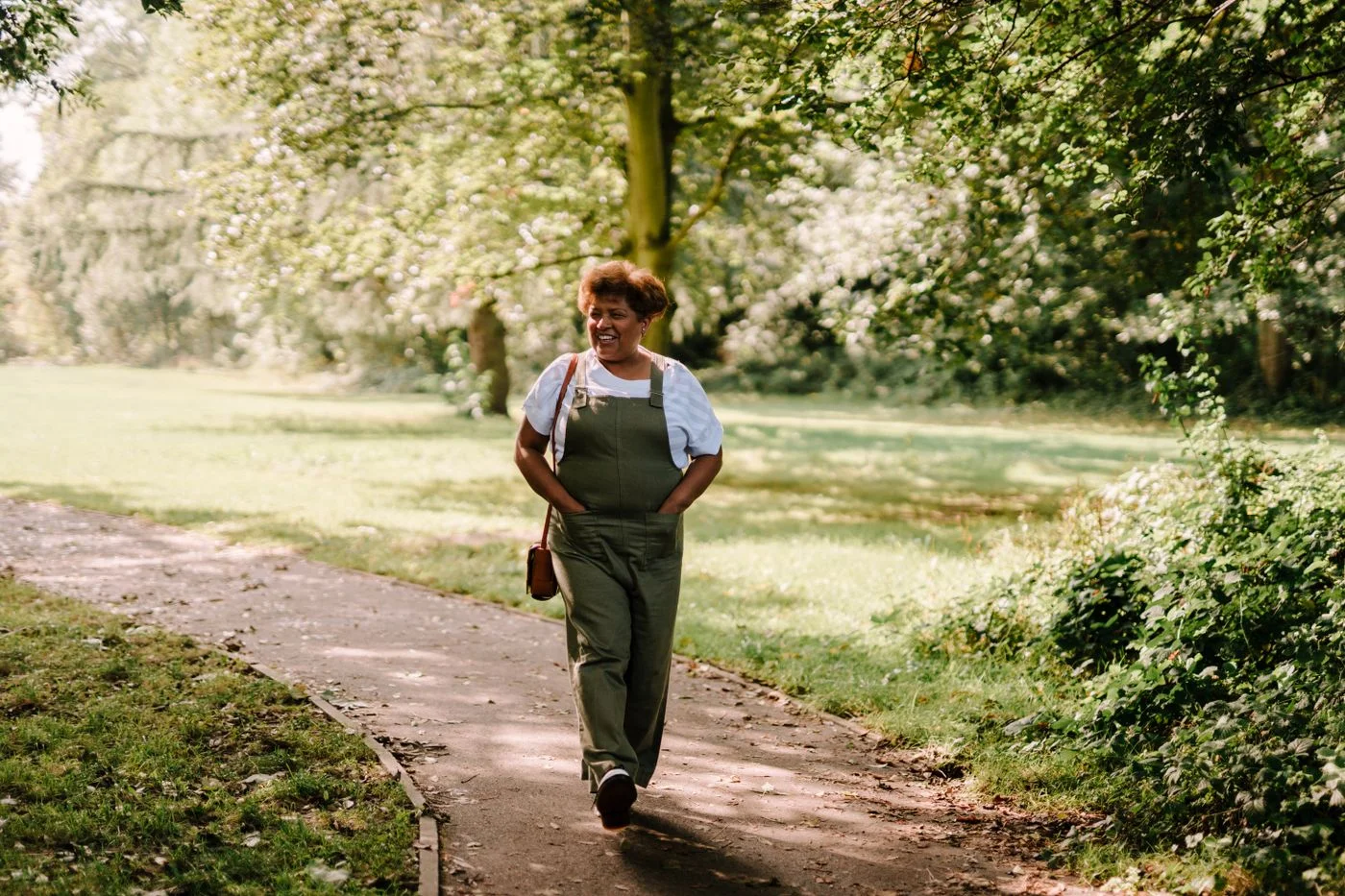
The most appealing walking route on a map may be inconvenient on a weekday. A steep hill, difficult crossing or long stretch without a place to turn back can make a simple walk feel like a larger commitment. Start with the streets and paths you can use comfortably from home.
Choose a short loop or an out-and-back route with a clear turning point. A loop avoids a decision halfway through, while an out-and-back makes shortening the walk straightforward. There is no requirement to cover a particular distance before the walk counts as an outing.
Visit the route at the time you are likely to use it. Traffic, lighting and activity can change considerably between a quiet weekend morning and the end of a workday. Check the walking surface, crossings and any places where visibility is limited.
Build in useful choices
Look for a shorter version and an alternative for poor weather or a busy street. A bench, public restroom or convenient return point may matter more than a scenic view, depending on your needs. Choose accessibility and personal safety over a route that looks impressive on a tracking app.
Wear suitable footwear and clothing for the conditions. Carry what you need without overloading yourself, and keep essential contact or medical information available if appropriate. Follow local advice about weather, heat and air quality; a plan can change when conditions are unsuitable.
If you listen to audio, keep awareness of traffic and other people. Pause at crossings and avoid reading messages while moving through a complicated area. Walking time does not have to become time for catching up on every notification.
For company, agree on pace and approximate duration before setting out. A social walk works better when nobody feels obliged to match a pace that is uncomfortable. Leave room to turn back without making it a disappointment.
After trying the route, note one thing that would make the next walk easier: a different crossing, fewer belongings or a better departure time. Repeat the useful version until it feels familiar. You can add variety later. A dependable neighborhood route earns its place by fitting an ordinary day, not by being the longest or most picturesque option nearby.