Most bathroom routines are planned around the shelf. The cleanser goes here, the lotion there, the towel on the hook. The floor tends to receive less attention until a bottle falls or water spreads beyond the mat. Walking through the sequence before starting can reveal problems that another storage basket will not solve.
Stand in the dry room and notice what you would have to reach for after bathing. Is the towel behind the door? Is the lotion across the room? Does the laundry basket occupy the place where your foot naturally lands? Move everyday supplies into a sensible position while the floor and your hands are dry.
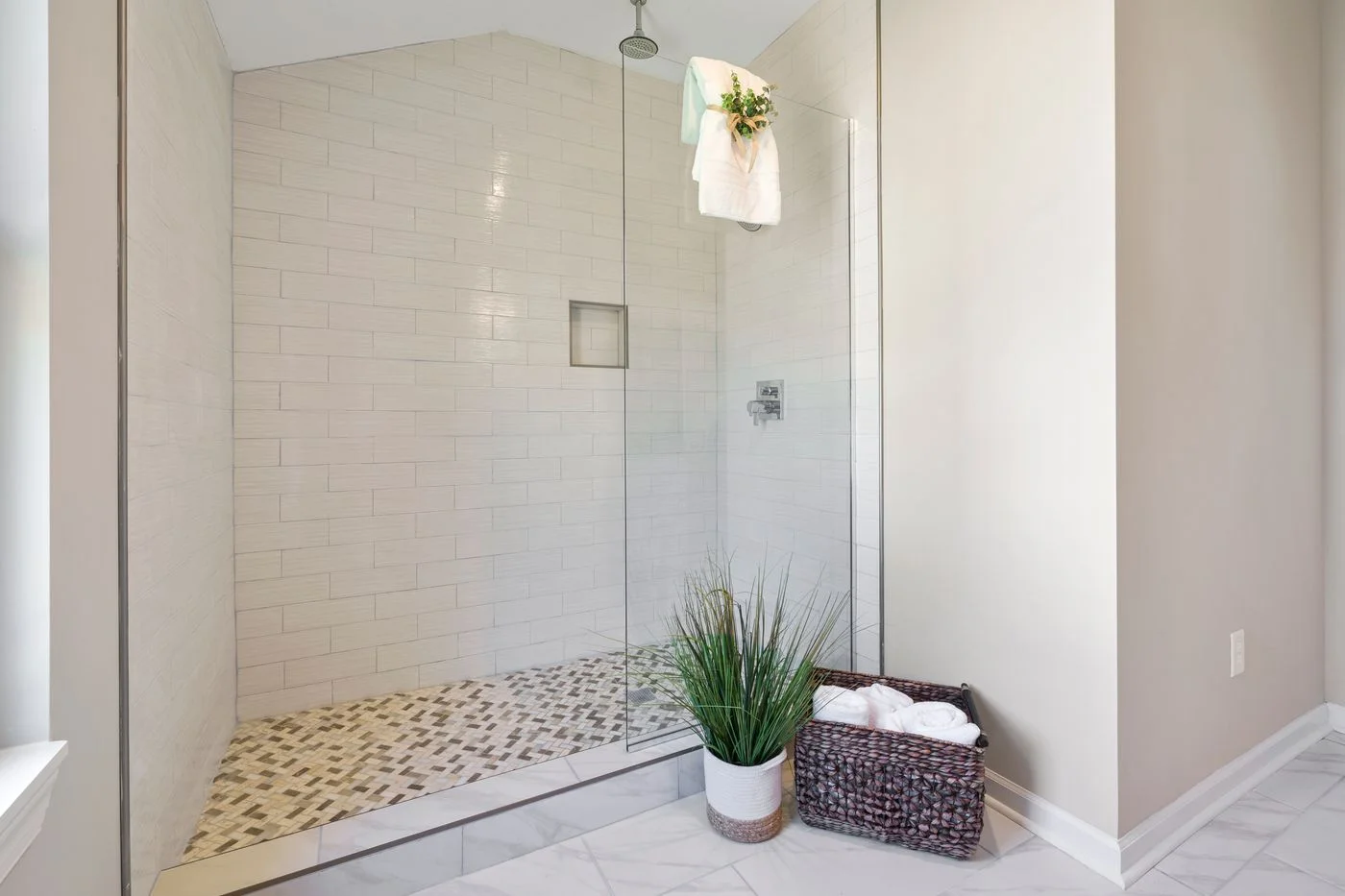
Keep the route clear of bottles, clothing and electrical cords. A scale can be useful without living directly beside the shower exit. Likewise, a decorative stool is not helpful if you must step around it with wet feet. The question is how the room works during use, not only how it looks when everything is arranged.
The mat has a job to do
A bath mat should stay in place on the intended surface. Follow its care instructions, check for curled edges or a deteriorating backing and let it dry properly between uses. A loose towel thrown over a puddle is not a substitute for dealing with the water and checking the floor beneath it.
MedlinePlus recommends keeping the floor outside a bath or shower dry and using appropriate nonslip surfaces. It also cautions against using towel racks as grab bars. If you need support for getting in, out or standing, use equipment designed and installed for that purpose. A shelf, soap dish or suction accessory should not be assumed to hold your weight.
Lighting belongs in the routine too. You should be able to see water, objects and changes in floor level. Keep the room's main light accessible, and consider the route to it rather than relying on a dim decorative light for every task. Fix a recurring leak or poorly directed shower spray rather than accepting a daily puddle as part of the bathroom.
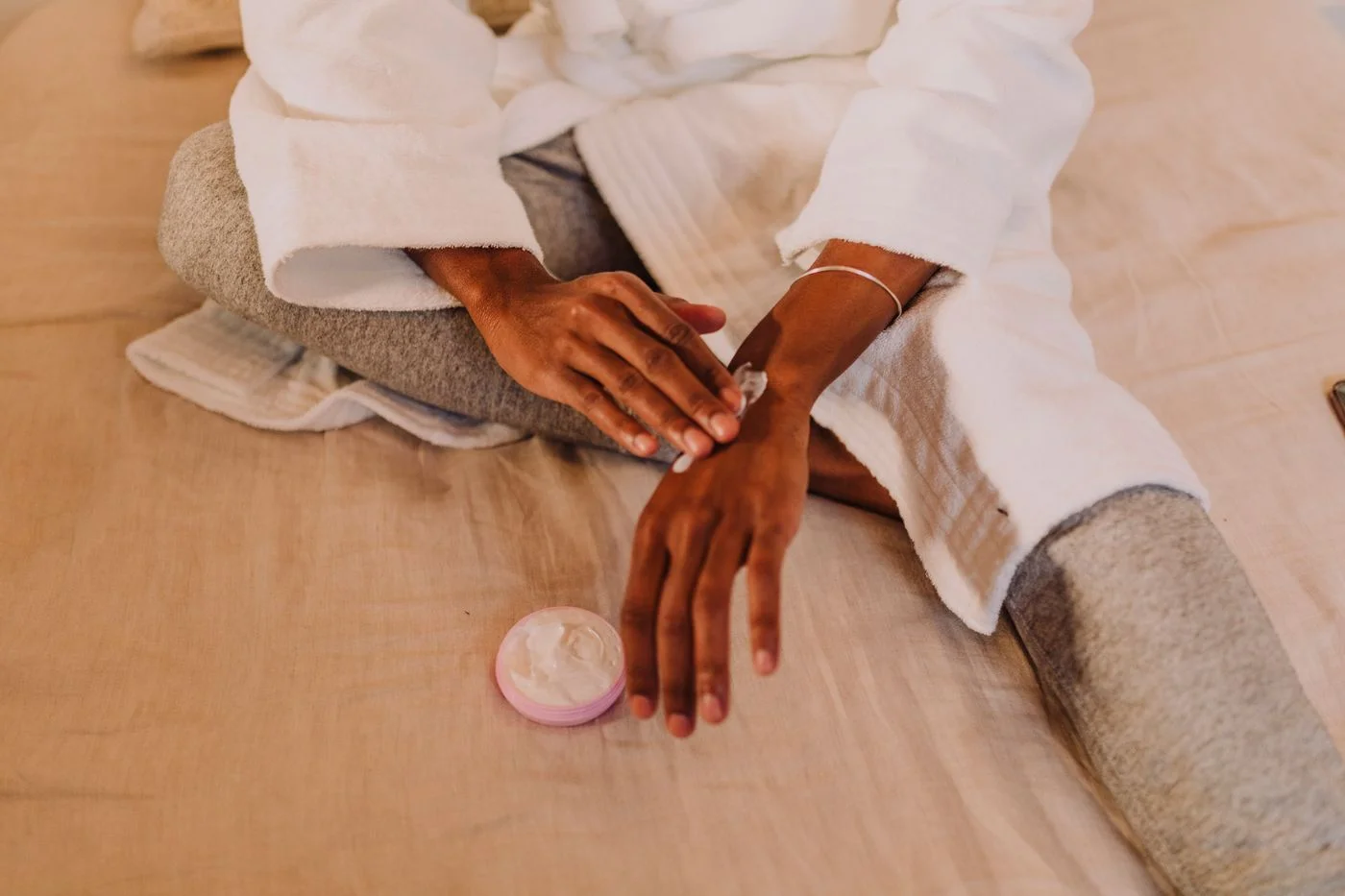
After bathing, deal with splashes before applying products that could make your hands slippery. Close containers and return them to their places. This small reset leaves fewer things to knock over during the next visit.
If balance, pain or limited movement makes the room difficult to use, an occupational or physical therapist can assess what changes would help. The appropriate solution may be more specific than a new mat, and it should fit the person who uses the room.