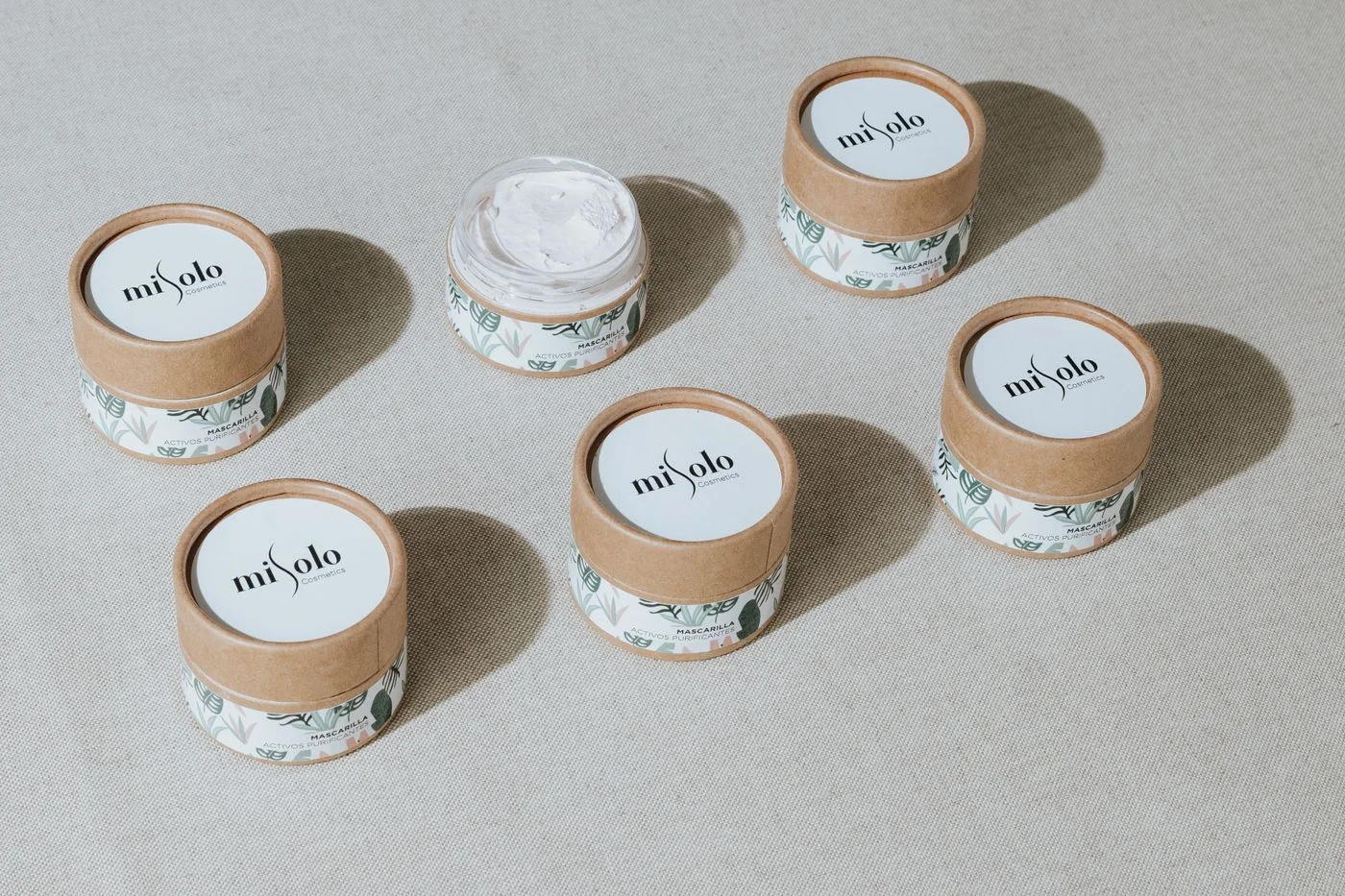
A refill pouch on the shelf can look like an obvious saving until you discover that it fits a container you do not own. Refillable systems deserve two calculations: what it costs to start using the system and what each later refill costs. Mixing those figures makes the first purchase appear cheaper than it is.
Write down the price and quantity of the starter container. Then do the same for its compatible refill. Compare the refill with an ordinary replacement of the same product, using the same unit. A pouch that costs less but contains less is not necessarily a better price.
What exactly gets reused?
The word refill can describe a pouch poured into a bottle, a sealed cartridge clipped into a case or a replacement pan for a makeup compact. Each asks for different handling. Read the directions before assuming that a container should be washed, dried or topped up. Follow the maker's procedure rather than improvising a universal refill routine.
Compatibility is another quiet cost. A new version of a compact may not accept an older pan, and a pump designed for one formula may not work well with another. Check model names and dimensions, not just the brand. If you are replacing a broken outer case, include that cost too.
Here is a hypothetical example. A regular bottle is $20. A starter costs $28, and compatible refills cost $16 for the same quantity. The starter plus one refill totals $44, compared with $40 for two regular bottles. After two refills, both routes total $60. Only later purchases produce a saving under those assumptions. This does not make the refill system bad; it makes the timing visible.
Your own usage may be less predictable than the example. If you are still deciding whether you like the product, buying a starter and several refills creates a larger commitment. Availability also matters. A low refill price helps little if delivery charges or minimum orders repeatedly increase the cost.
Environmental comparisons require more information than the word refill alone supplies. Materials, transport and actual reuse all matter, so avoid treating the packaging format as proof of a complete environmental advantage. You can still make a concrete choice: buy a system you expect to keep using, keep the container in working order and order only the refills you have room and reason to use.