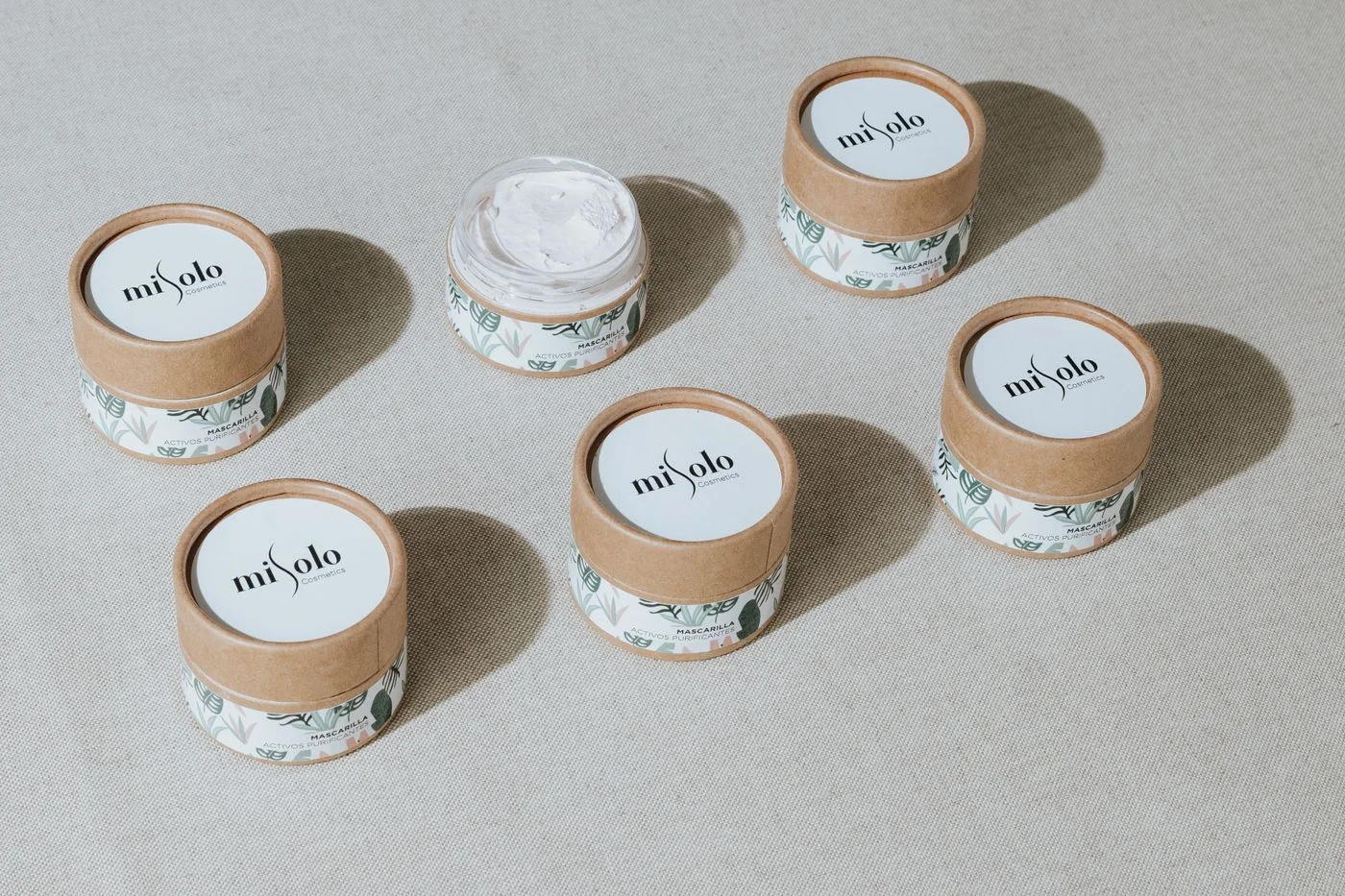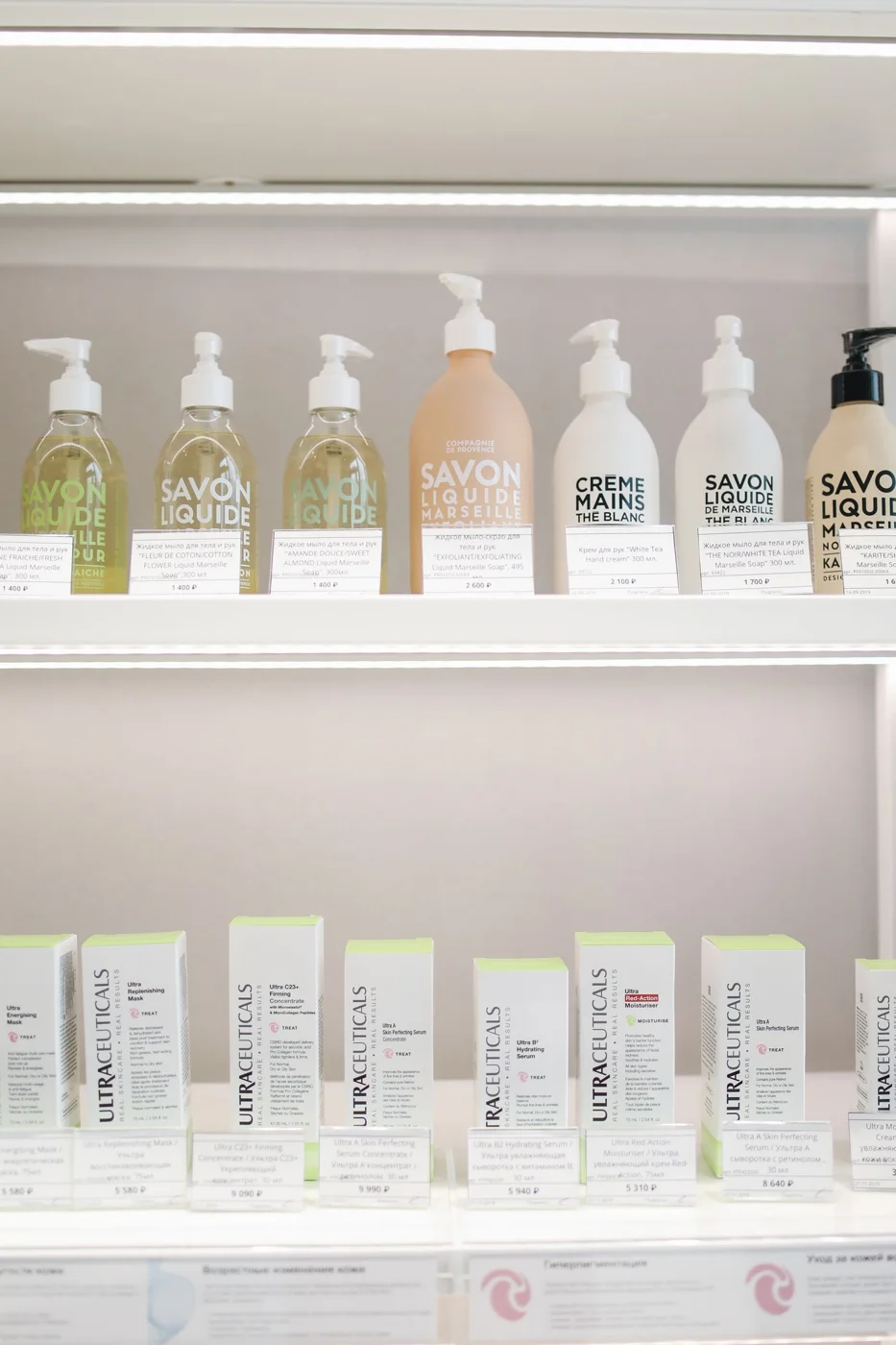
Two bottles can look almost identical from the front while holding quite different amounts. The box may be tall, the glass unusually thick or the cap large enough to hide a smaller container. Before comparing prices, find the net quantity printed on the package. That is the number to put into the calculation.
Use the same unit for both products. If one lists milliliters and the other fluid ounces, look for an alternate quantity on the label or convert one figure. Do not treat an ounce by weight as though it were a fluid ounce. Powders and liquids may be sold in different measures, and the similar wording does not make them interchangeable.
A small calculation worth doing
Imagine a familiar cleanser costs $12 for 150 milliliters, while a larger bottle costs $18 for 300 milliliters. Those are illustrative prices. Dividing price by quantity gives eight cents and six cents per milliliter respectively. The larger bottle costs less for the same amount of cleanser, although buying it still requires six more dollars today.
That comparison is most useful when the formula and intended use are the same. Comparing a concentrated hair product with a watery spray by bottle size alone leaves out how much each application requires. You may not know that until you have used them. Keep the calculation modest: it tells you the cost of the contents, not how well the product will work for you.
A discount code, delivery charge or membership requirement can change the result. Use the price you will actually pay, rather than an advertised price that depends on conditions you will not meet. If you already have a membership, you can note that separately; joining solely for one bottle is a different purchase.
Would you finish the larger size?
An occasional-use styling cream may not be a sensible bulk purchase, even at a lower unit price. Consider your existing open products, the available storage space and any manufacturer guidance on use or storage. Buying more also ties up money that could replace something you need sooner.
Save the unit-price comparison in a short shopping note when you find it useful. Next time, check the quantities again: a familiar package can change size. The best result may be the larger bottle, the smaller one or no purchase yet. The arithmetic simply makes that decision easier to see.