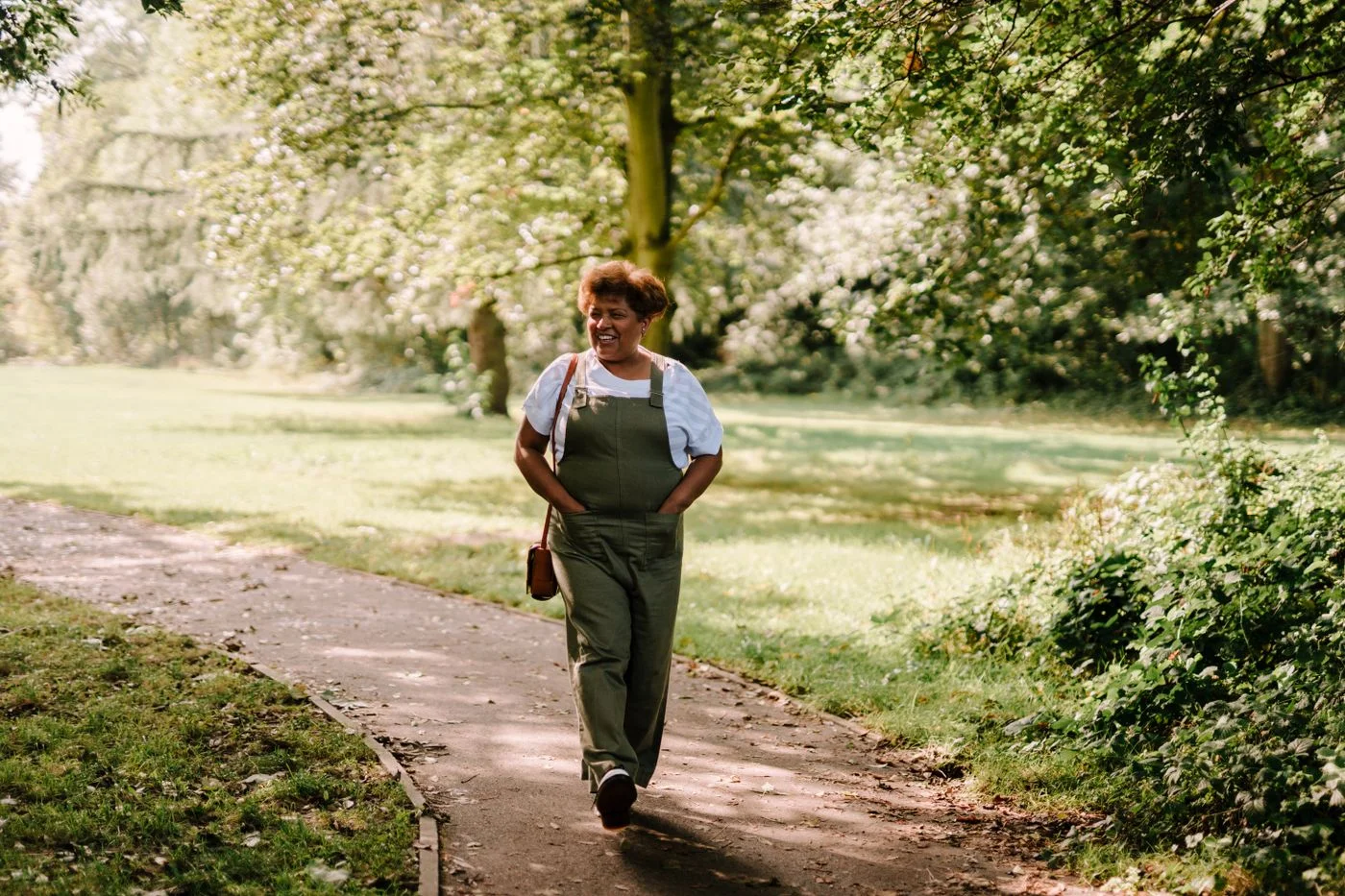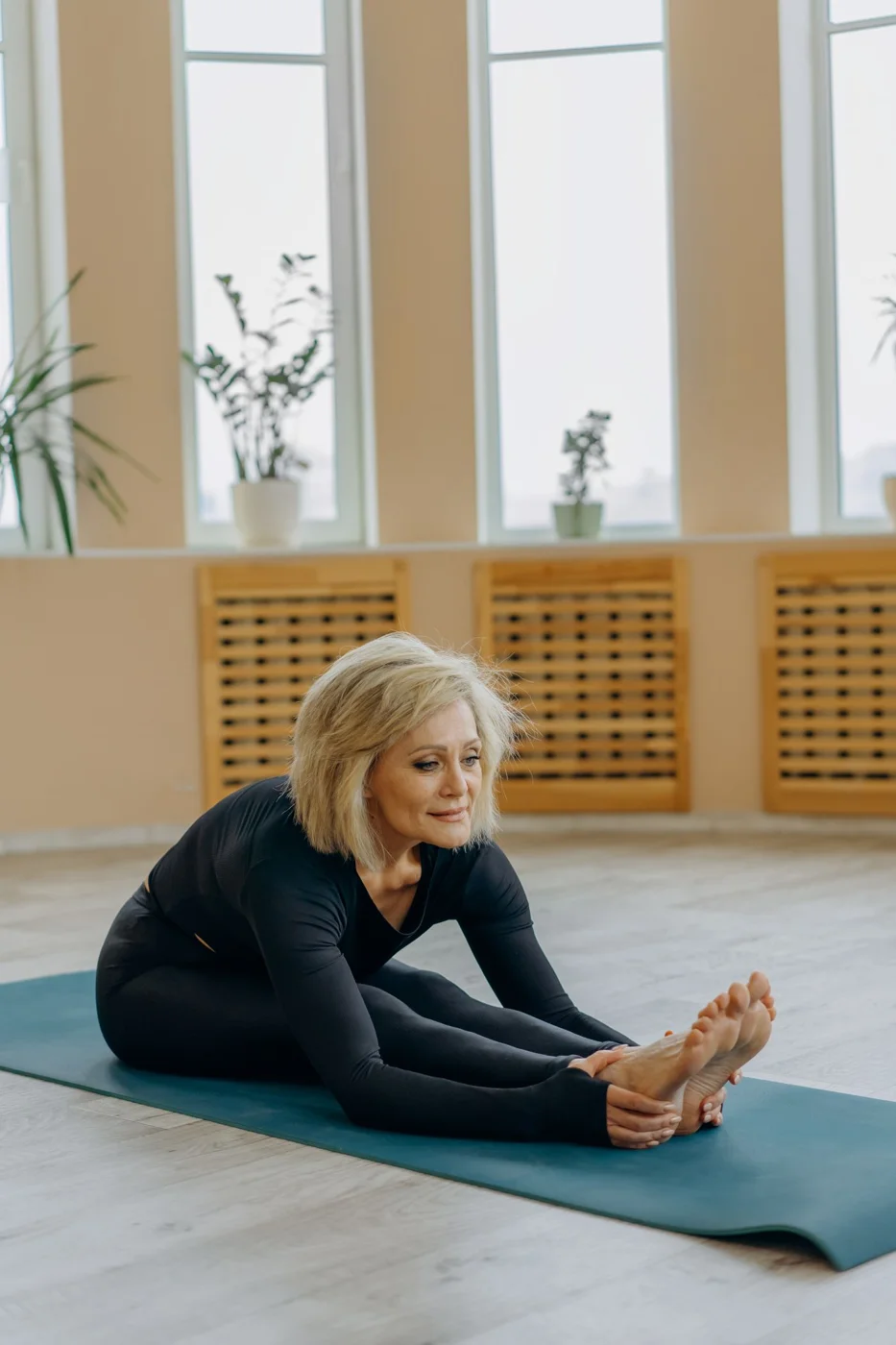
A new activity plan is often written for an unusually cooperative week. Every evening is free, the weather is suitable and energy remains high after work. The first real week then arrives with errands, delays and a day when you simply feel tired. A useful beginner plan should expect ordinary life.
Start with your current routine and abilities. Choose an activity you understand and can do safely. If you have a health condition, symptoms, an injury or questions about appropriate activity, seek individual guidance before making a demanding change.
CDC emphasizes that some physical activity is better than none. That leaves room to begin with a manageable amount and build gradually rather than treating a large target as the price of admission.
Write the logistics into the plan
For each planned session, note where it happens and what preparation is needed. A walk near home may require little setup. A class may involve booking, travel, changing and returning. Count that time honestly before placing it between other commitments.
Choose a small number of opportunities you are likely to keep. Leave space between them and identify a shorter alternative for a crowded day. An alternative should be comfortable and appropriate, not a punishment for missing the original plan.
Prepare the necessary clothing or equipment, but avoid a large shopping project before you know what you enjoy. Use safe, suitable items and check instructions. Borrowing or trying a beginner session may answer more questions than buying a complete set immediately.
Decide what you will observe
After an activity, note practical information: the route was too busy, the class time worked, the shoes rubbed or the preparation took longer than expected. These details help improve the next week. You do not need to rank your effort against someone else's results.
Stop for concerning symptoms rather than following the calendar at any cost. Pain, dizziness, chest discomfort or unusual breathlessness should not be dismissed as proof that a plan is effective. Seek appropriate medical help when needed.
At the end of the week, keep the parts that fit and adjust one obstacle. If the plan was too full, reduce it. If you enjoyed an activity and felt comfortable, you can consider a gradual next step. The first calendar is a draft informed by experience, not a contract requiring you to complete every square regardless of circumstances.