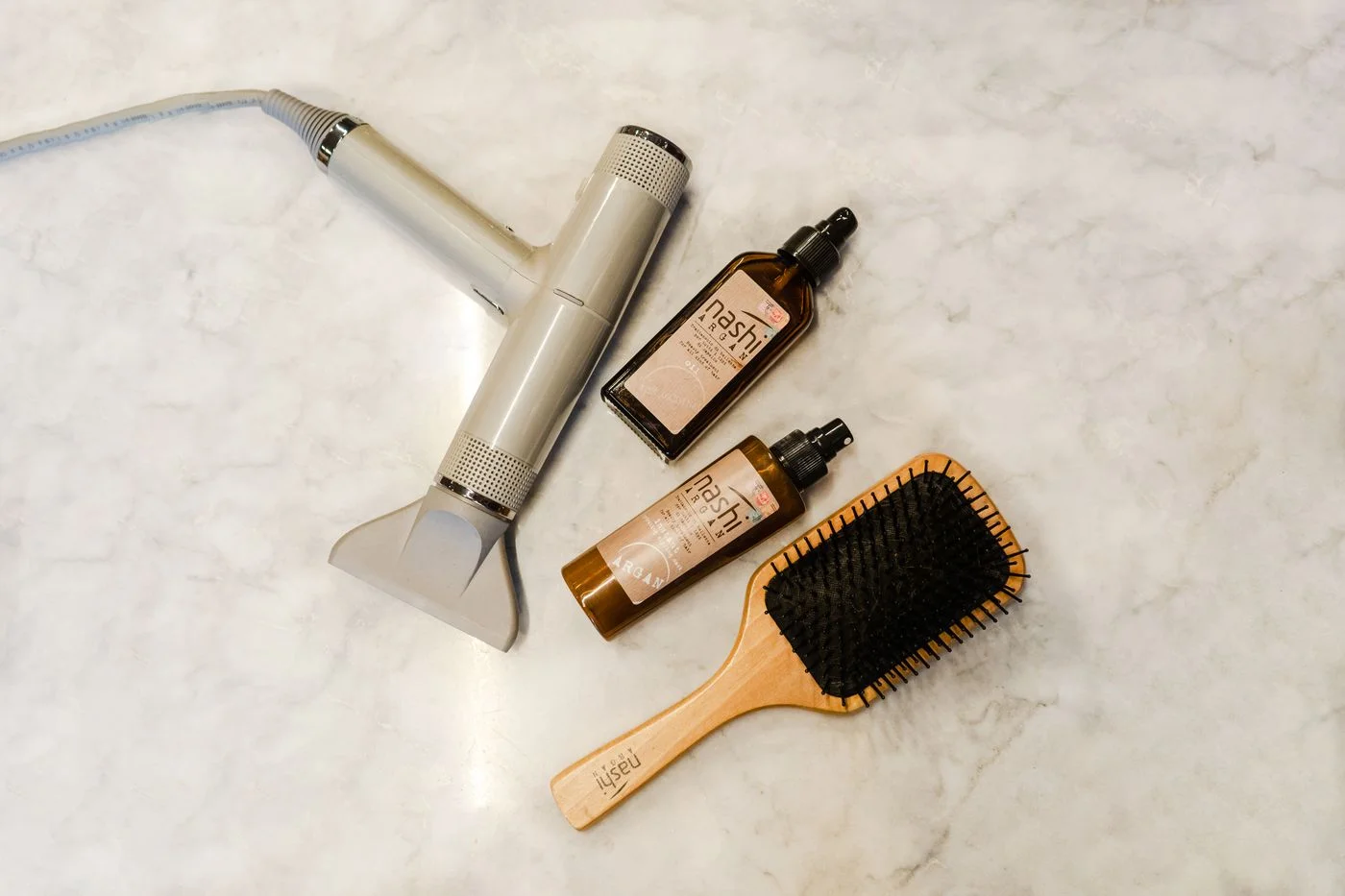
A hairbrush can collect loose hair, lint and styling residue while still looking tidy from above. Turn it over and inspect the base of the bristles before deciding it is ready for another week. The cleaning method depends on the brush, not just how much residue you can see.
Find the manufacturer's care instructions if possible. A solid plastic brush, a wooden handle and a cushioned brush with openings may need different handling. Prolonged soaking is not automatically appropriate, and water trapped inside a cushion can be difficult to dry.
Remove what you can see first
Lift out loose hair gently without damaging the bristles or cushion. Use a suitable tool if the maker recommends one, but avoid sharp improvised objects that could scratch the base or puncture a cushion. Once the hair is removed, the remaining cleaning task is easier to assess.
Follow the recommended cleaning method and amount of product. Rinse only as appropriate for the construction. Do not assume that a stronger cleaner is better for a tool that will later touch the hair and scalp.
Inspect the bristles as you work. Bent pins, missing protective tips or rough edges can make brushing uncomfortable. Cleaning will not repair those problems. Replace a damaged brush when necessary rather than learning to avoid the bad section with every stroke.
Make drying part of the appointment
Set the brush in the position recommended by the maker and allow it to dry fully before putting it in a closed drawer or travel case. Keep it away from heat sources that could damage the materials. A brush cleaned just before you need to pack may create a storage problem if drying time was not considered.
Clean the place where it lives too. There is little benefit in returning a clean brush to a drawer full of hair and loose powder. A quick wipe of the compartment and a separate space for clips can make the next inspection easier.
Choose a reminder linked to actual use rather than a rigid rule copied from another household. Heavy styling-product use may create a different cleaning need from occasional brushing. Look at the brush and follow its care guidance.
The result should be a tool you can inspect easily and use comfortably. Brush care is less about a dramatic deep-clean video and more about noticing ordinary buildup before it becomes part of every grooming session.