Cuticles can become the focus of a manicure because they interrupt the smooth outline shown in close-up photographs. That visual expectation can encourage more trimming and pushing than the area needs. You can keep a neat routine without making cuticle removal its central task.
The American Academy of Dermatology advises against cutting or forcefully pushing back cuticles because doing so can increase infection risk. A small irregular edge is not an instruction to keep working at the skin until the outline looks perfectly uniform.
Put the cutting tools aside
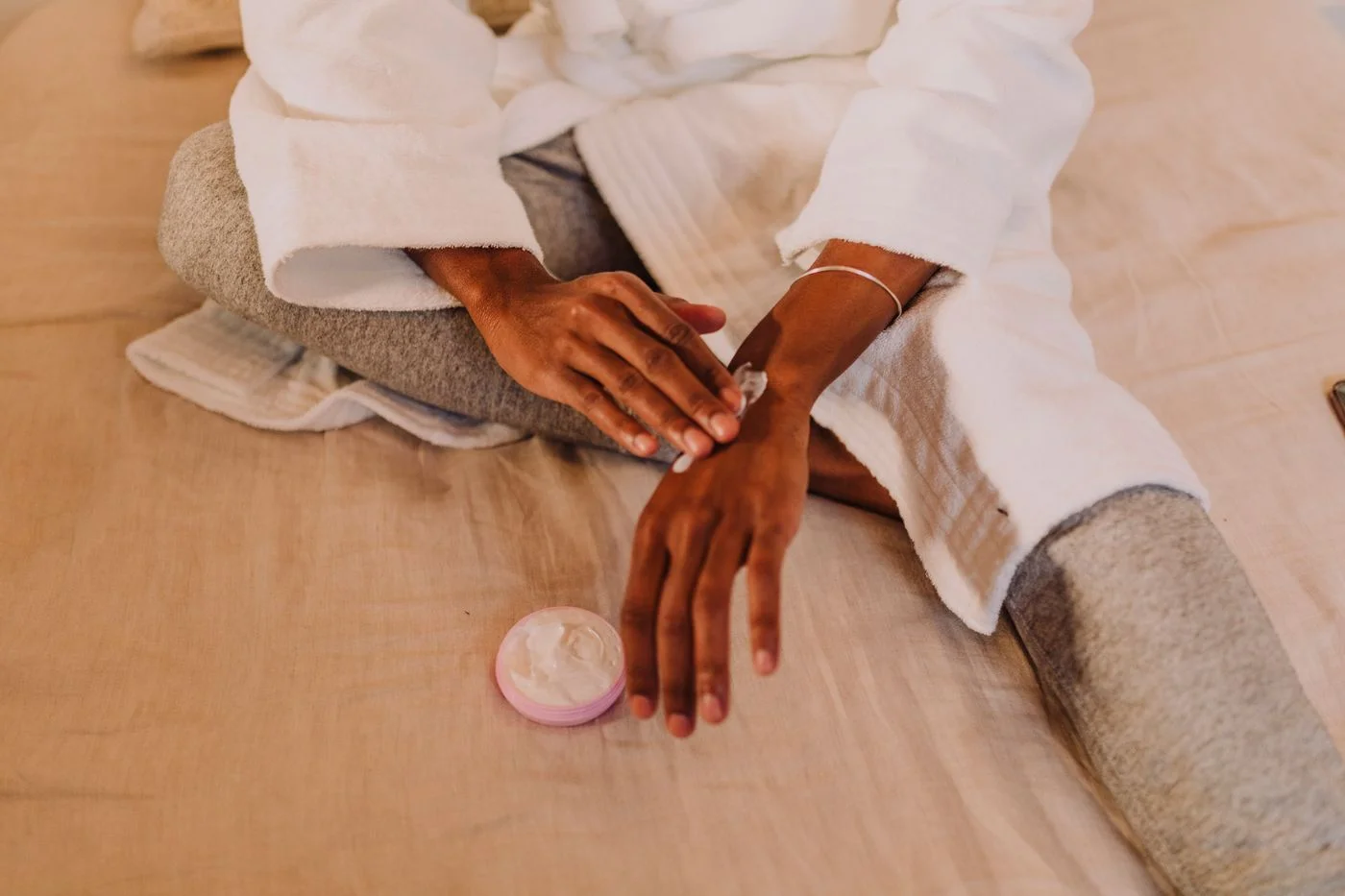
Choose a routine centered on gentle cleaning, comfortable moisturizing and appropriate nail shaping. If you use a product around the nails, read its directions and warnings. A bottle called cuticle treatment may have a specific purpose that differs from a simple moisturizing oil.
Avoid picking while reading, working or watching television. If you tend to notice a rough area and keep touching it, put a suitable familiar hand product nearby and give your hands another task rather than escalating the grooming. Do not pull at skin with your teeth.
If an area is painful, swollen, draining or persistently red, seek medical advice. It should not be treated as a cosmetic flaw to trim away. A general home-care article cannot tell you whether an infection or another condition is present.
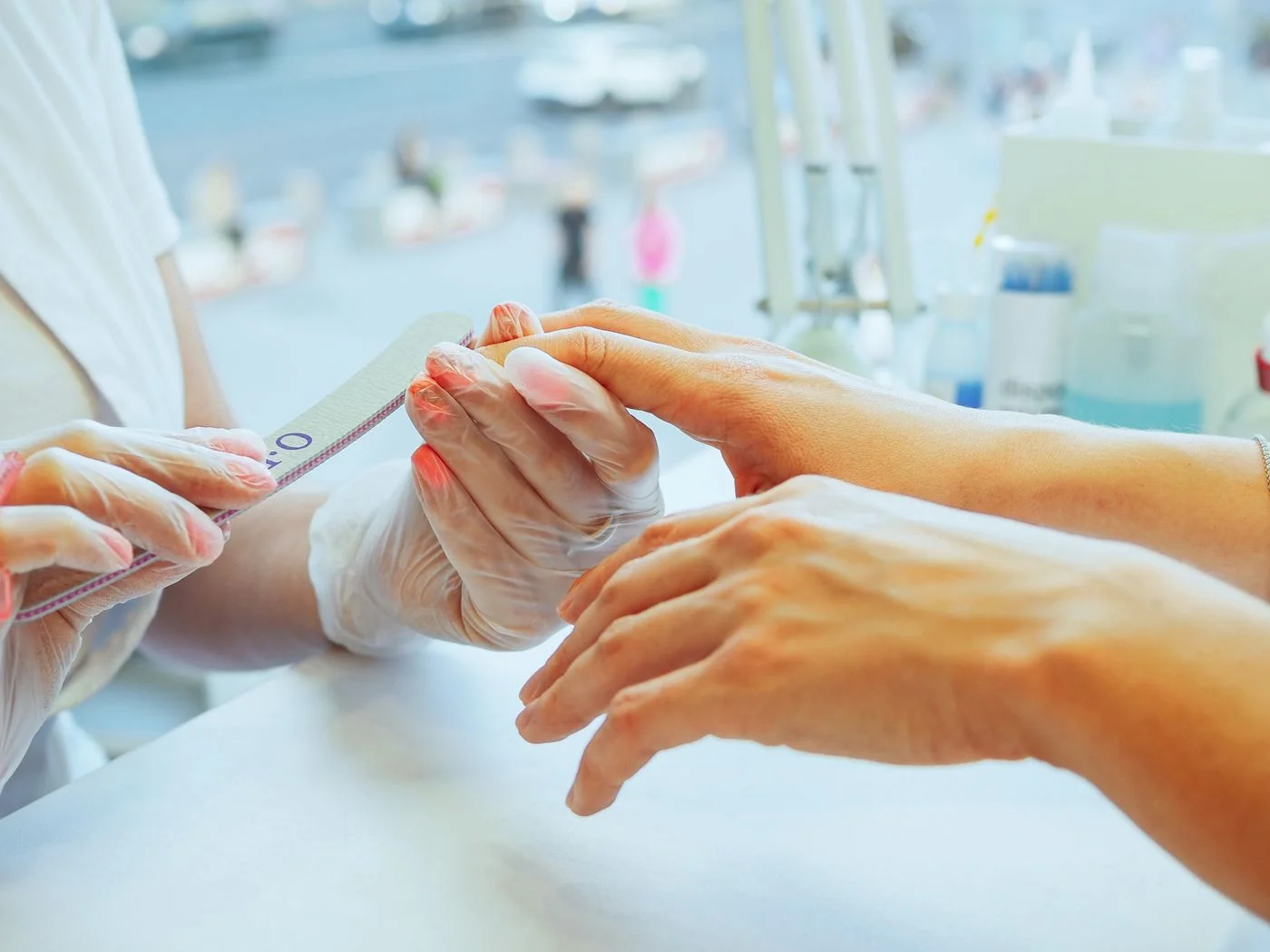
Before a manicure begins, tell the technician that you do not want cuticles cut or forcefully pushed. You can ask what each tool is for and decline a step. A service should not proceed simply because it is part of the usual sequence if it conflicts with your preference or safety concerns.
Keep an eye on the tools used at home as well. Clean them according to their instructions and avoid sharing personal implements casually. A sharp nipper kept in a kit can be tempting to use for any small irregularity, so do not keep it as a default solution if you do not need it.
Nails move through ordinary life, and the surrounding skin will not always resemble a freshly edited manicure photograph. A comfortable, intact area is a more useful goal than a perfectly cleared border. Gentle care leaves less to repair afterward and makes the routine easier to keep modest.