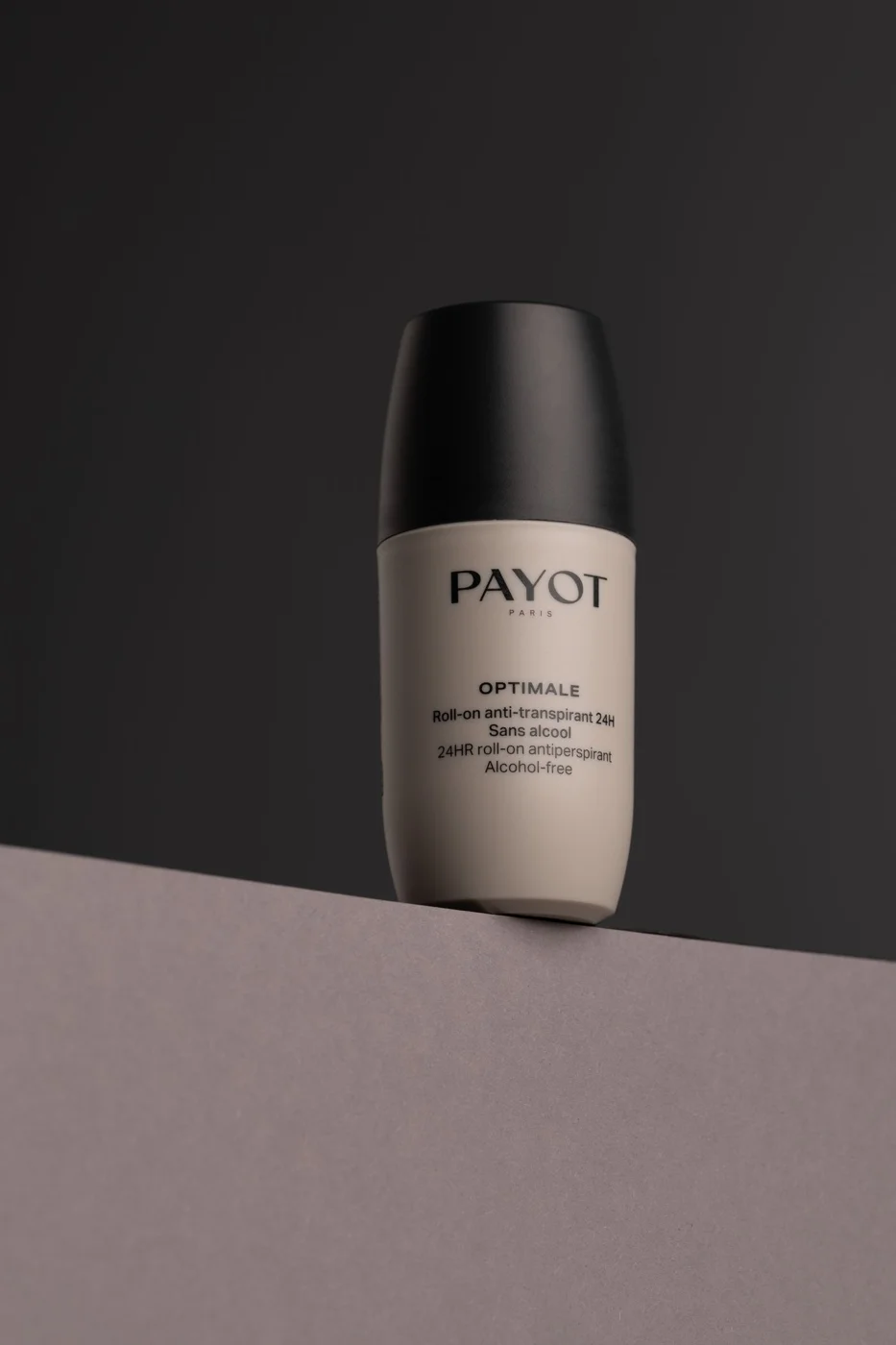
A product can help with underarm odor while leaving the amount of sweat largely unchanged. That does not necessarily mean it has failed. It may be a deodorant doing the job it was designed for, while the wearer expected the effect of an antiperspirant.
The distinction is straightforward: deodorant addresses odor, while antiperspirant reduces perspiration. Some products combine the two. In the United States, the FDA regulates ordinary deodorants as cosmetics and antiperspirants as drugs; a combination can fall into both categories. The words on the front matter more than whether the package is a spray, a roll-on or a solid stick.
Turn the container over. An antiperspirant's Drug Facts panel identifies the active ingredient and gives directions and warnings. Read those instructions rather than assuming every underarm product belongs in exactly the same morning routine. Use only on the areas the label specifies, and follow any instruction to consult a health professional.
Describe the problem you want to solve
Is the issue an odor you notice late in the day, damp fabric, a scent you dislike, residue on clothing or an uncomfortable application? Each points toward a different shopping question. Replacing a deodorant with another heavily scented deodorant, for example, is not a direct answer to a wish for less perspiration.
Package format also affects ordinary use. A cap that is difficult to remove, a roll-on you dislike waiting to dry or a spray you cannot comfortably direct may be reason enough to choose differently. These preferences do not establish that one formula is medically better. They describe whether the product fits your routine.
Avoid judging several changes at once. If you replace the product, the shirt fabric and the laundry fragrance on the same day, it becomes harder to identify what feels different. Note the exact product name and type before throwing away the old packaging. Brands often sell several similar-looking versions with different purposes.
Sweating is not a personal failure, and a stronger product is not always the answer to a concern. New, unusually heavy or otherwise troubling sweating deserves a conversation with a clinician, especially when it occurs with other symptoms. Routine shopping advice cannot determine its cause.
For a regular purchase, choose the function first, then the texture, scent preference and price. This keeps an attractive package or a vague promise of freshness from standing in for the information you actually need.