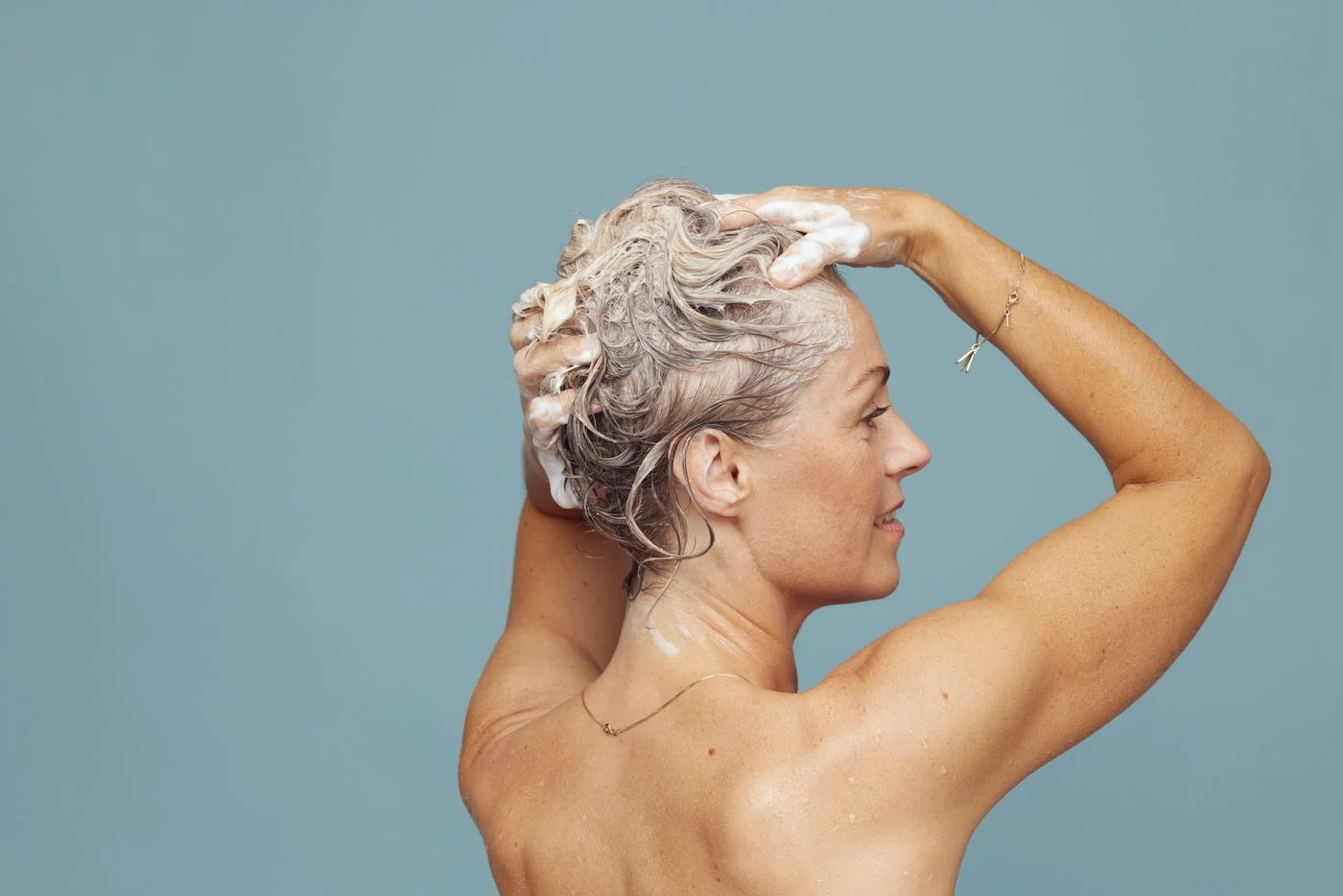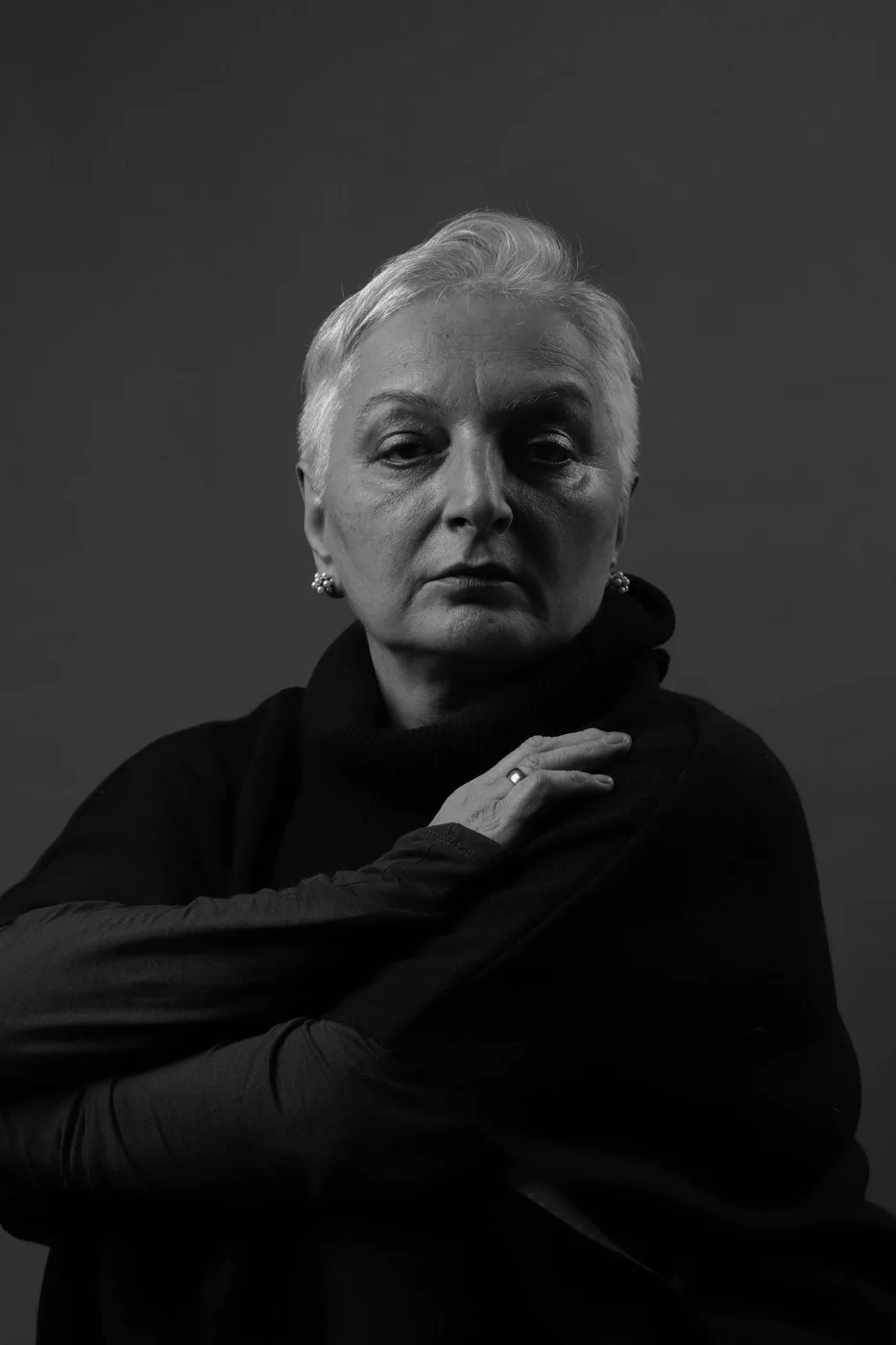
Gray hair is often discussed as though everyone who has it needs the same products. In practice, length, texture, styling and personal preference still differ. Start with what you notice about your own hair rather than building a routine solely around the color category.
Perhaps you like the natural variation and want a simple finish. Perhaps you are growing out color and managing two appearances at once. Perhaps the main issue is a cut that no longer falls the way you want. Each situation deserves a different conversation.
Describe the practical concern
If the hair feels difficult to manage, note where and when: while wet, at the ends, after drying or in humid weather. A stylist can help with handling and shape. A product labeled for gray hair may be relevant to a particular cosmetic concern, but the label alone does not explain every change.
If you consider a tinted or toning product, read its instructions carefully. Check contact time, frequency, surface-staining warnings and how it should be used alongside the rest of the routine. More frequent use is not automatically better, and the result may differ across sections of hair.
Try changes when you have time to assess them rather than just before an important event. Keep the product information and note what you used. This is particularly helpful when discussing color transitions or an unexpected result with a professional.
You do not need to color gray hair, and you do not need to stop coloring it to meet somebody else's idea of authenticity. The choice can be based on appearance, maintenance, budget and enjoyment. A useful routine supports the choice without turning it into a statement you must defend.
If you are growing out color, discuss cuts and styling options that make the transition manageable. Ask about maintenance realistically, including how the appearance may change between appointments. A photograph can help show the feature you like, but your daily styling habits matter too.
Persistent scalp symptoms or unusual hair changes should be assessed rather than attributed automatically to age or gray color. Keep cosmetic decisions separate from health concerns.
The aim is hair you can care for comfortably in the way you prefer. Gray is one visible characteristic, not a complete set of instructions for the shelf.