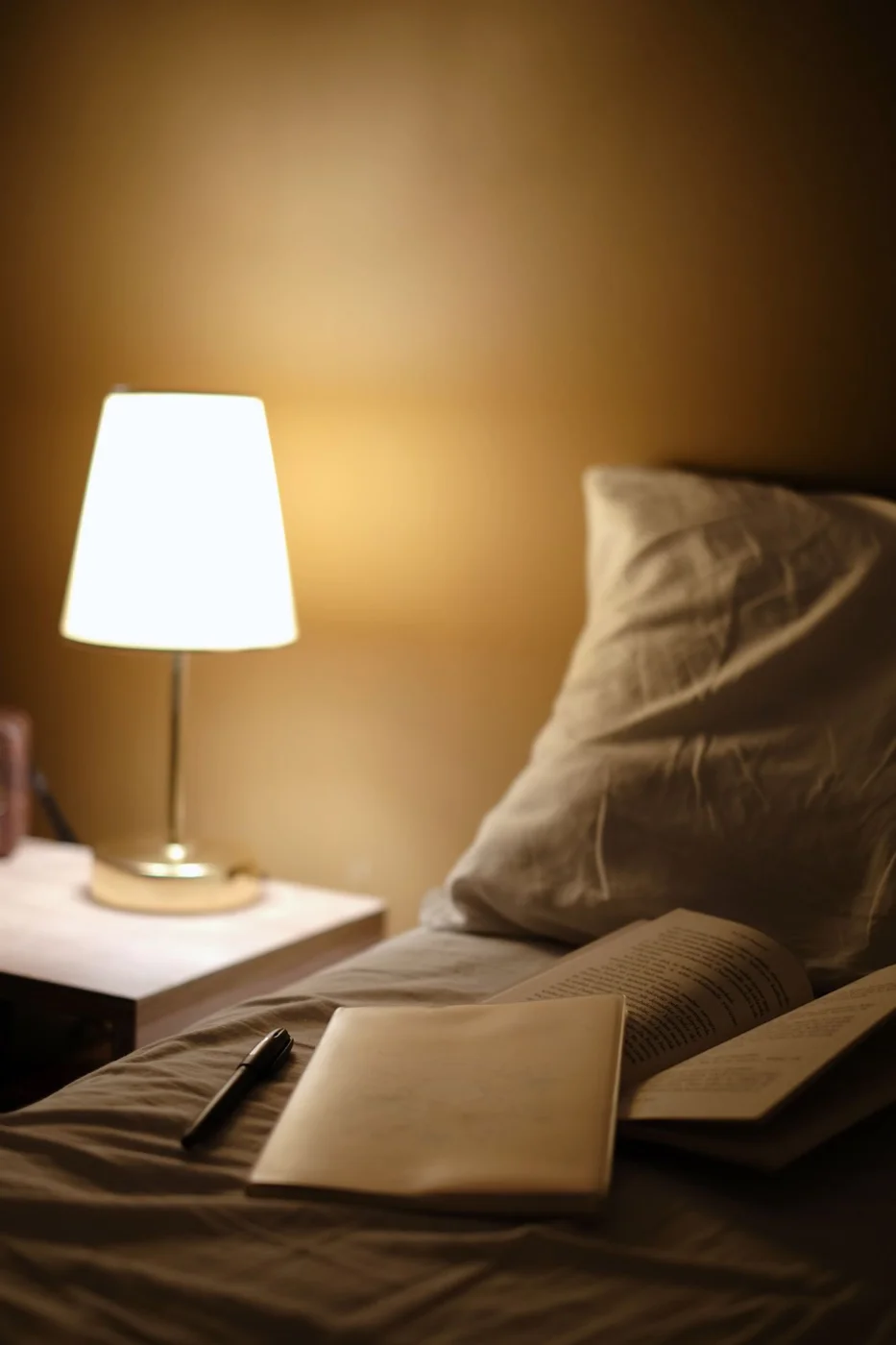
A guest room can look welcoming and still leave someone wondering where to put their glasses or how to switch off a lamp. Comfort often comes from the details that are not obvious in a photograph: an empty surface, a reachable outlet and a spare blanket that does not require asking the host at midnight.
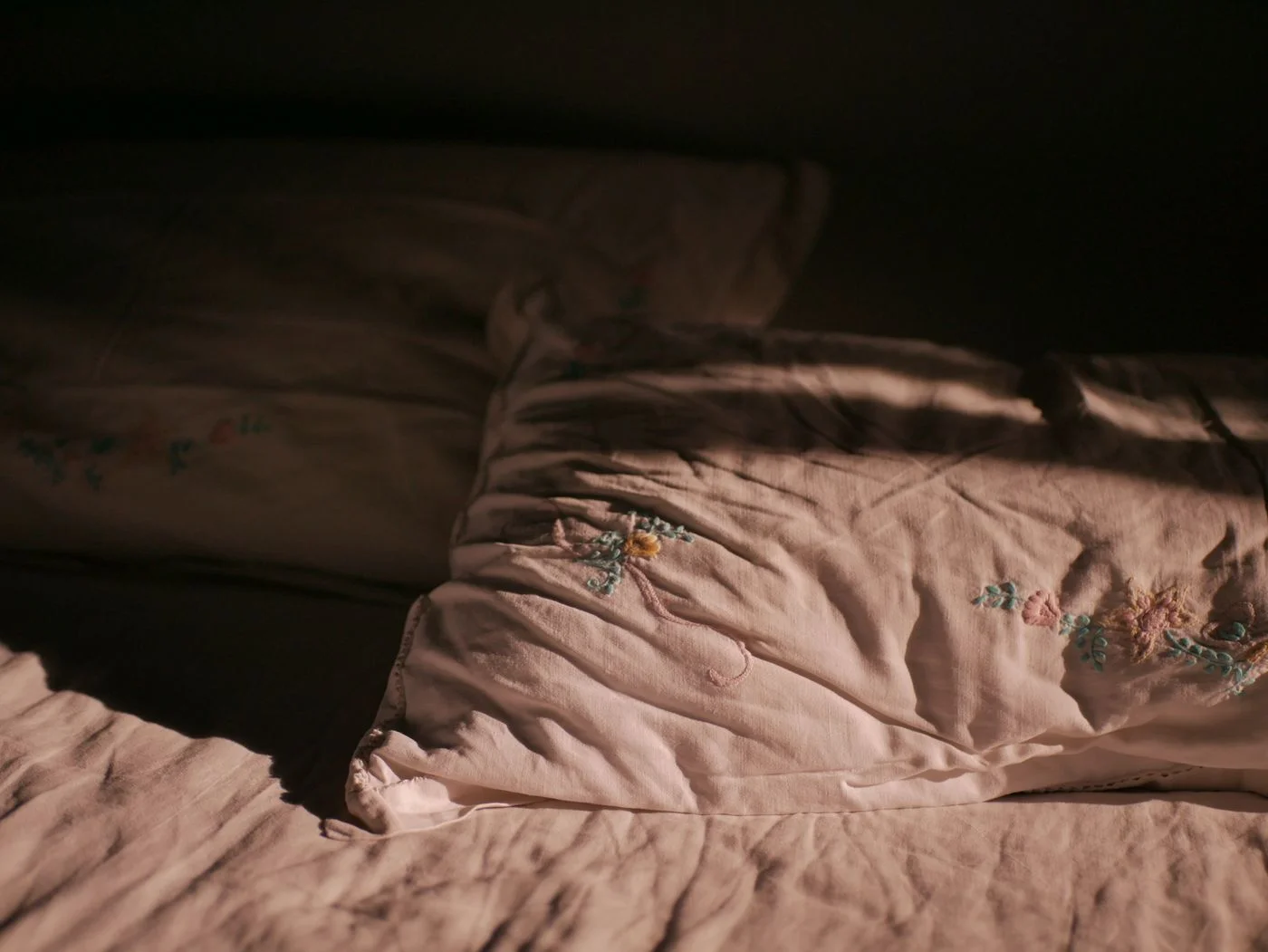
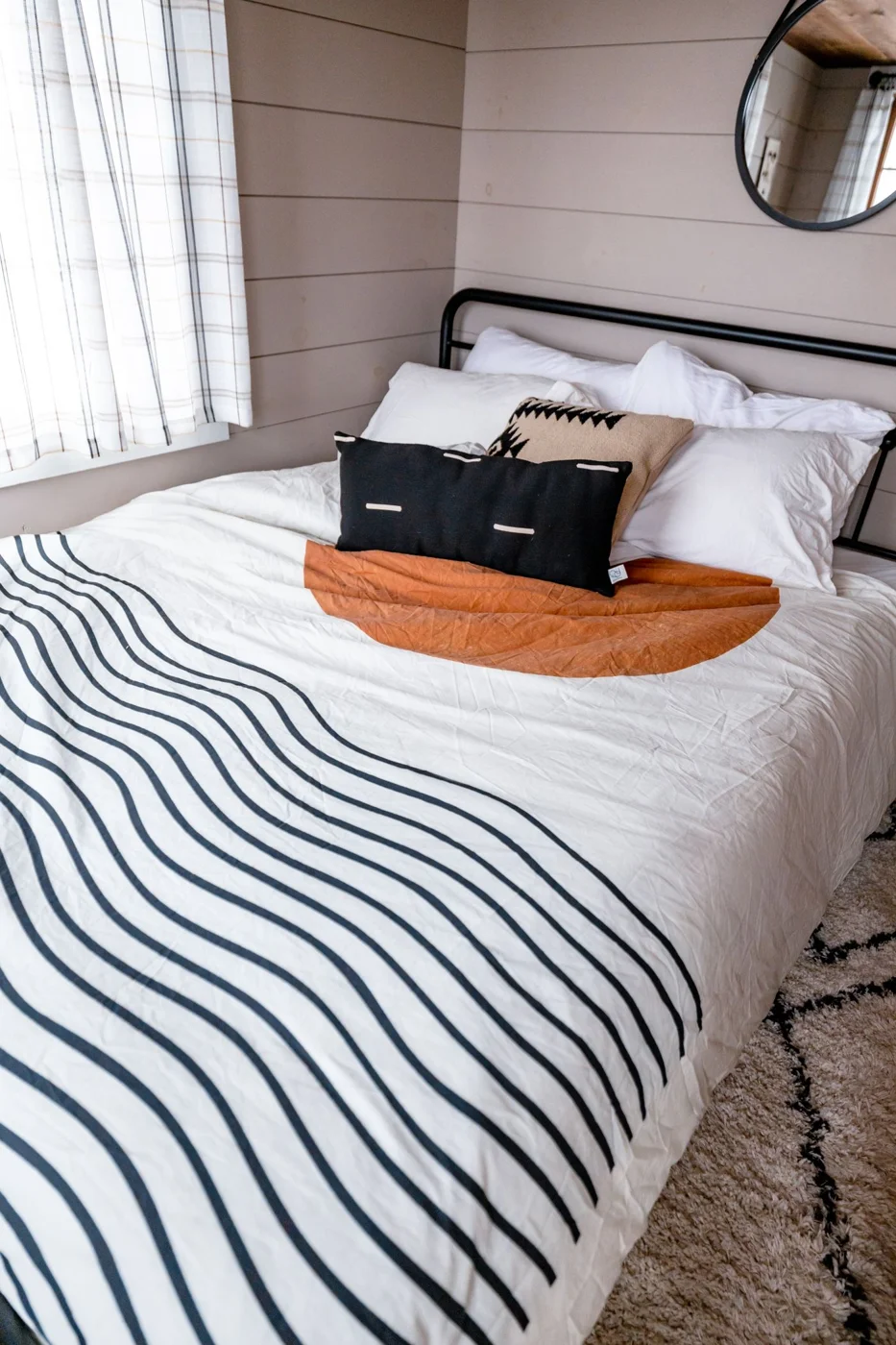
Prepare the bed with clean bedding and leave room around it. A guest should not need to climb over decorative cushions or move a basket to reach the bathroom. If the room doubles as storage, clear a definite area for their bag and clothes.
Explain the useful things once
Show the light switches, temperature controls and bathroom route. Mention any household noise that is predictable, such as an early departure or a pet that may scratch at a door. A straightforward explanation is kinder than hoping the guest will work everything out quietly.
Offer an extra blanket and, if available, another pillow option. You do not need a collection of hotel-style accessories. Tell the guest where the extras are and let them choose without making the preference a conversation about whether your house is too cold.
Keep essential contact information or household instructions simple. A short note with the Wi-Fi details may be useful; a long welcome booklet can feel like homework. Do not leave personal paperwork or medication in a drawer you invite someone to use.
Make privacy easy
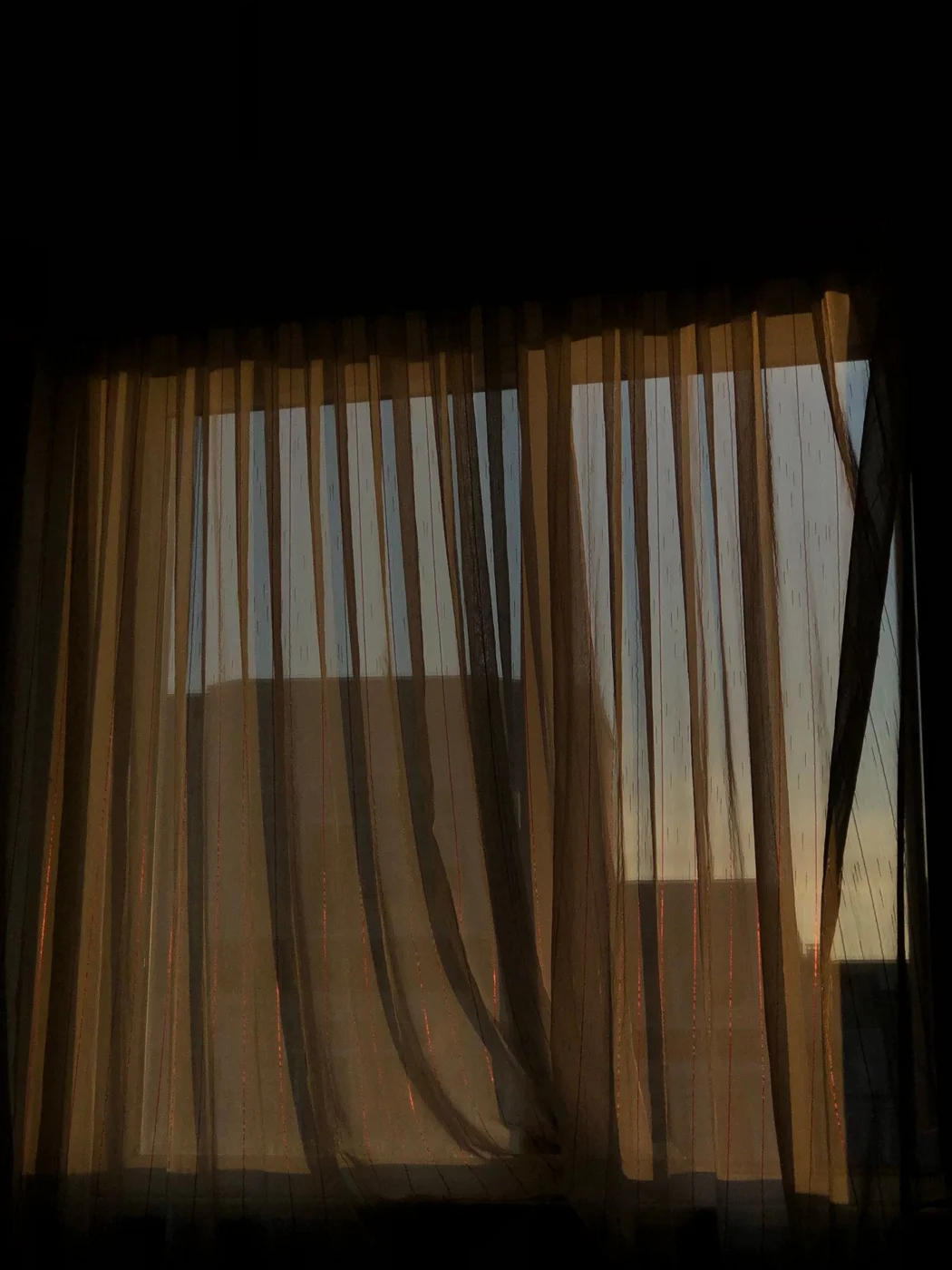
Check that curtains close properly and the door can be used comfortably. If the room has no lock, explain any household expectations about knocking. Avoid entering to tidy once the guest has settled in unless they ask.
A bedside drink is a preference, not a requirement. If you provide water, place it on a stable surface away from plugs and electronics. Fragrance is also optional. Clean linens and an aired room are usually more flexible than a strong scented spray that the guest cannot easily remove.
Before leaving the room, ask whether anything practical would make the stay easier. Then give the guest space to adjust the bedding, light and belongings. Hospitality does not require controlling how the room looks once it is being used; it means making those small choices available without awkwardness.