Home hair color is often purchased with a particular evening in mind. The safety instructions may require preparation before that evening arrives. Open the box and read the complete directions in advance, including the preliminary skin-test procedure, rather than discovering it after you have mixed the product.
The FDA advises following the label and doing the recommended skin test before every use. Previous uneventful coloring does not guarantee that you will not react, and a negative test does not rule out every possible reaction. The test is one precaution within the product's full instructions.
Keep the exact product instructions
Do not substitute the test method from a different brand or an old box. Formulas and directions can differ. Keep the components clearly identified and follow the manufacturer's rules about handling and mixing. Never combine different hair-color products to create a larger quantity or a new shade.
Read all warnings about scalp condition, recent services and intended use. Hair color made for the scalp must not be used on eyelashes or eyebrows. If you are unsure whether the product is appropriate after another chemical service, ask a qualified professional rather than shortening a waiting period yourself.
Prepare the room and supplies
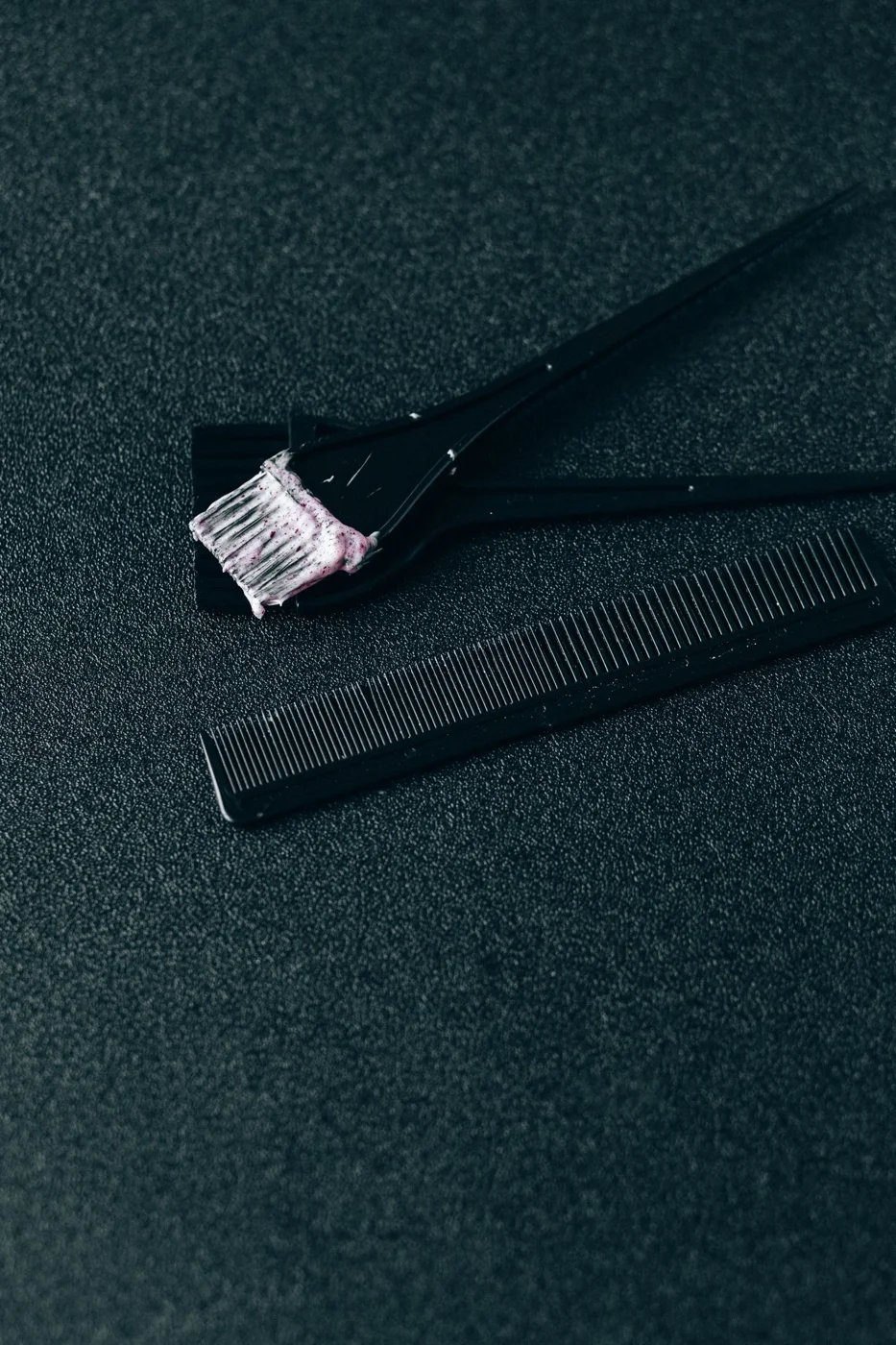
Have the specified gloves, a timer, an old towel if appropriate and a clear work surface ready. Keep children and pets away from the products. Arrange the space so you are not searching through drawers with color on your hands.
Use the product only for the stated time and method. Longer contact is not a safe shortcut to a stronger result. Follow the rinsing instructions and do not save mixed product unless the manufacturer explicitly gives instructions permitting it.
Know what would stop the plan
If the preliminary test causes a reaction, do not proceed. If symptoms occur during coloring, follow the product's instructions and obtain medical advice as needed. Severe symptoms such as difficulty breathing or swallowing require urgent help, not an attempt to finish the color first.
Do not let a social plan set the safety timeline. If you bought the box on Friday for a Saturday event and the instructions require preparation you cannot complete, choose another plan for the event. Temporary styling or simply keeping the current color is preferable to compressing the directions.
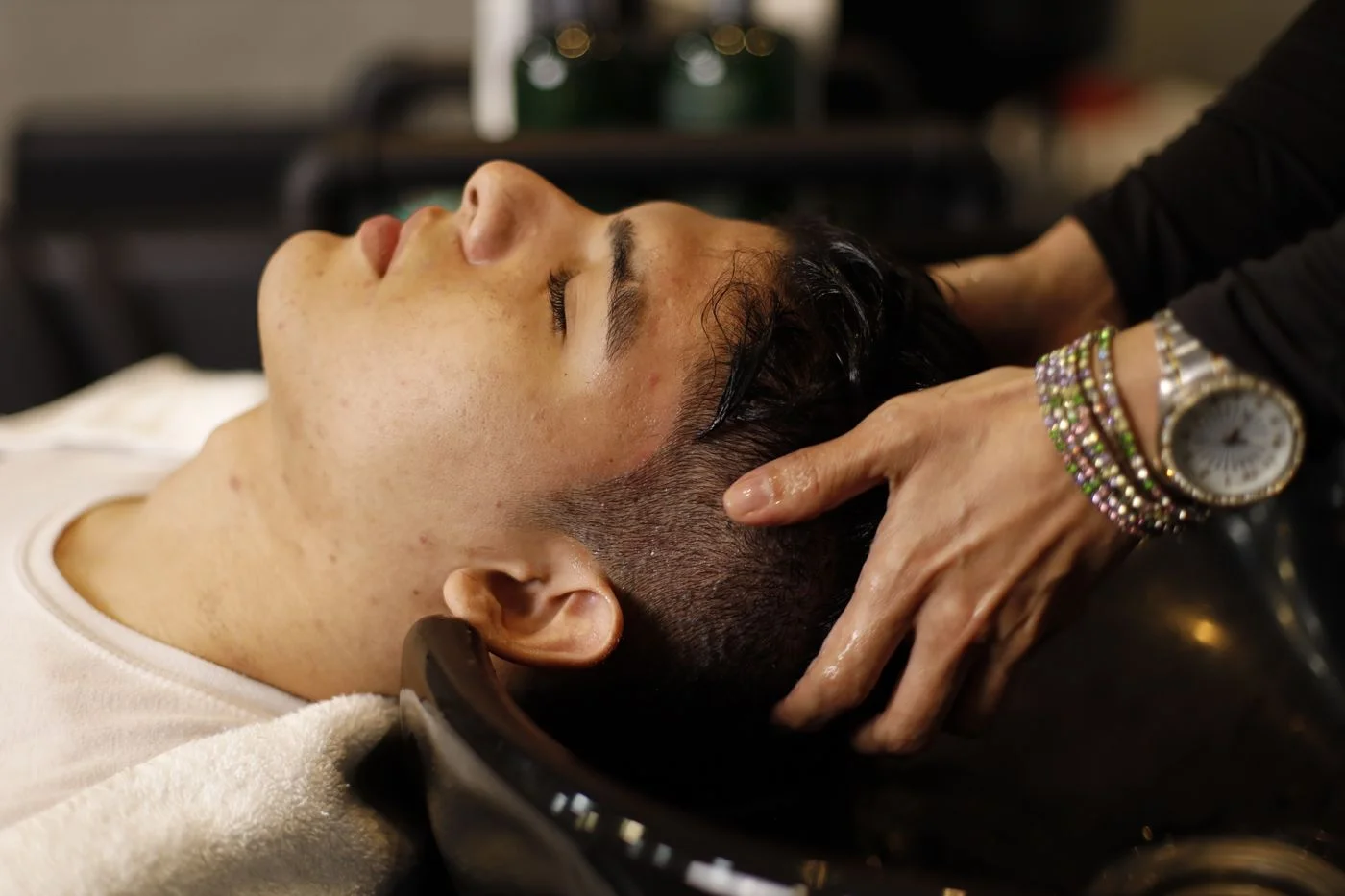
A salon appointment also benefits from advance communication. Tell the provider about previous reactions, recent services and the exact products used at home. Ask what preliminary precautions the service requires. The presence of a professional changes the setting, but it does not make your history or the product's warnings irrelevant.
Keep the box and ingredient information if you need to discuss a reaction. A photograph of the exact product can be useful, but gathering information should never delay care.
Choosing to postpone the color because instructions cannot be followed is a sensible outcome. A cosmetic deadline is not more important than the precautions that came with the product. Reading early gives you time to make that decision without an open bowl of dye waiting beside the sink.