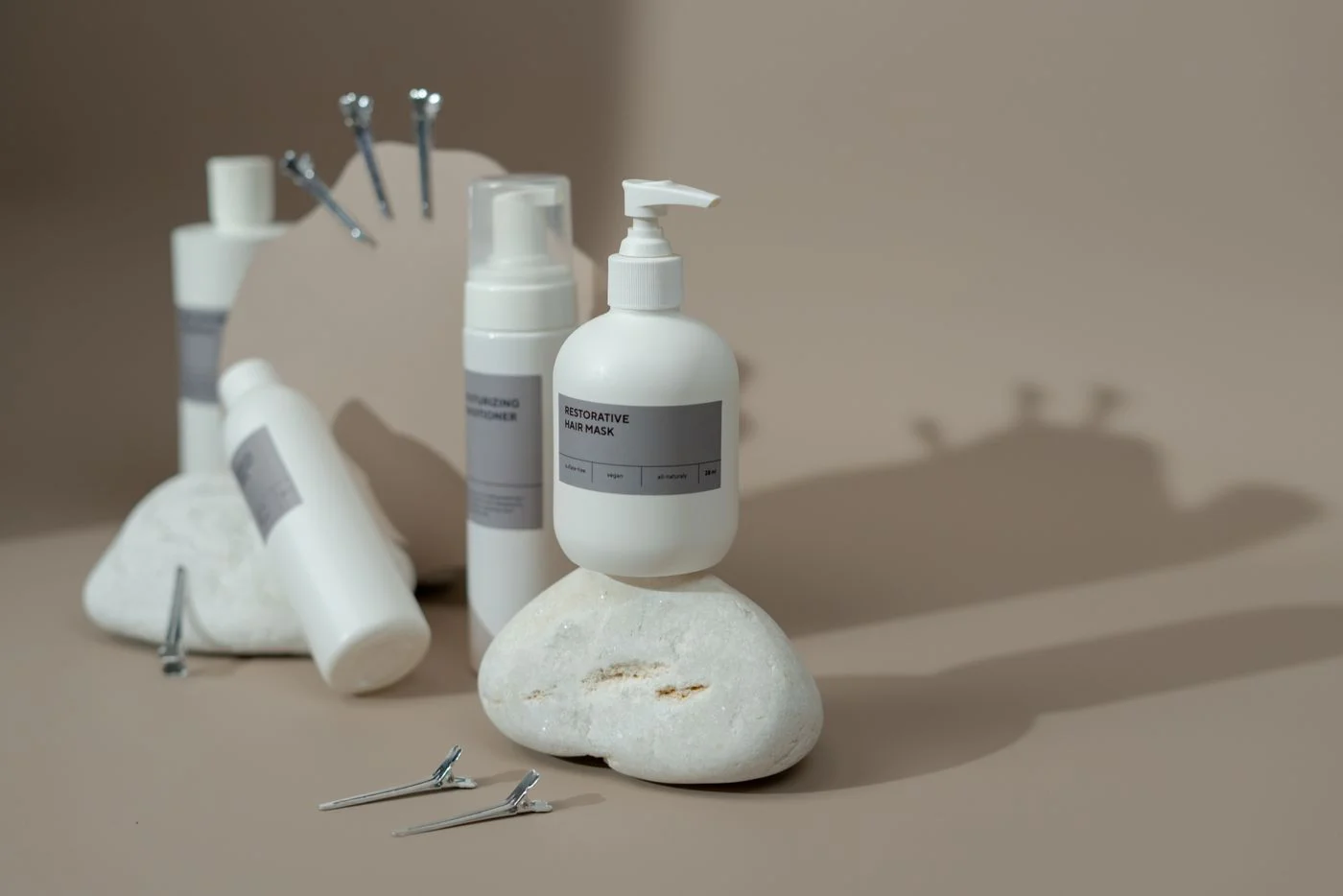
A hair mask can sound like a more serious version of conditioner, but its instructions determine how it belongs in the routine. Some products are intended for use after shampooing, some have different sequences, and some require a particular contact time. Read the label before adding it to everything you already do.
Ask what you want from the product. Perhaps you enjoy a richer wash-day texture or want to compare how the hair feels afterward. That is more useful than assuming a mask is required once a week because the name suggests intensive care.
Fit the time honestly
If the mask needs several minutes, make room for them without standing awkwardly in a cold shower or rushing out before the stated method is complete. Have a timer nearby if useful, but keep electronics safely away from water. A clock outside the wet area may be enough.
Do not automatically leave the product on for hours or overnight. Longer contact does not establish a better result, and the formula may not be intended for it. Likewise, adding heat or a wrap changes the method unless the manufacturer specifically recommends that approach.
Work through manageable sections so the product is distributed where intended. A large amount sitting on the outer layer of hair is not the same as an even application. Avoid pulling the hair tightly into place while waiting.
Compare an ordinary wash day
Keep other changes limited when trying the mask. If you introduce a new shampoo, mask and styling product together, it becomes difficult to know what changed the finish. Use the routine long enough to assess it as directed, without treating one dramatic shower sensation as the whole result.
Check whether another conditioning step is necessary according to the instructions. Doubling every product category may create more work or a finish you dislike. A mask does not have to sit on top of an already complete sequence simply because it is described as an extra.
If the product makes wash day less manageable or causes irritation, reconsider its place. You can use an optional product occasionally when appropriate, or decide not to repurchase it.
A mask schedule should follow the product and your needs. It should not become a standing appointment that forces the rest of the week to accommodate a bottle you are not sure you wanted in the first place.