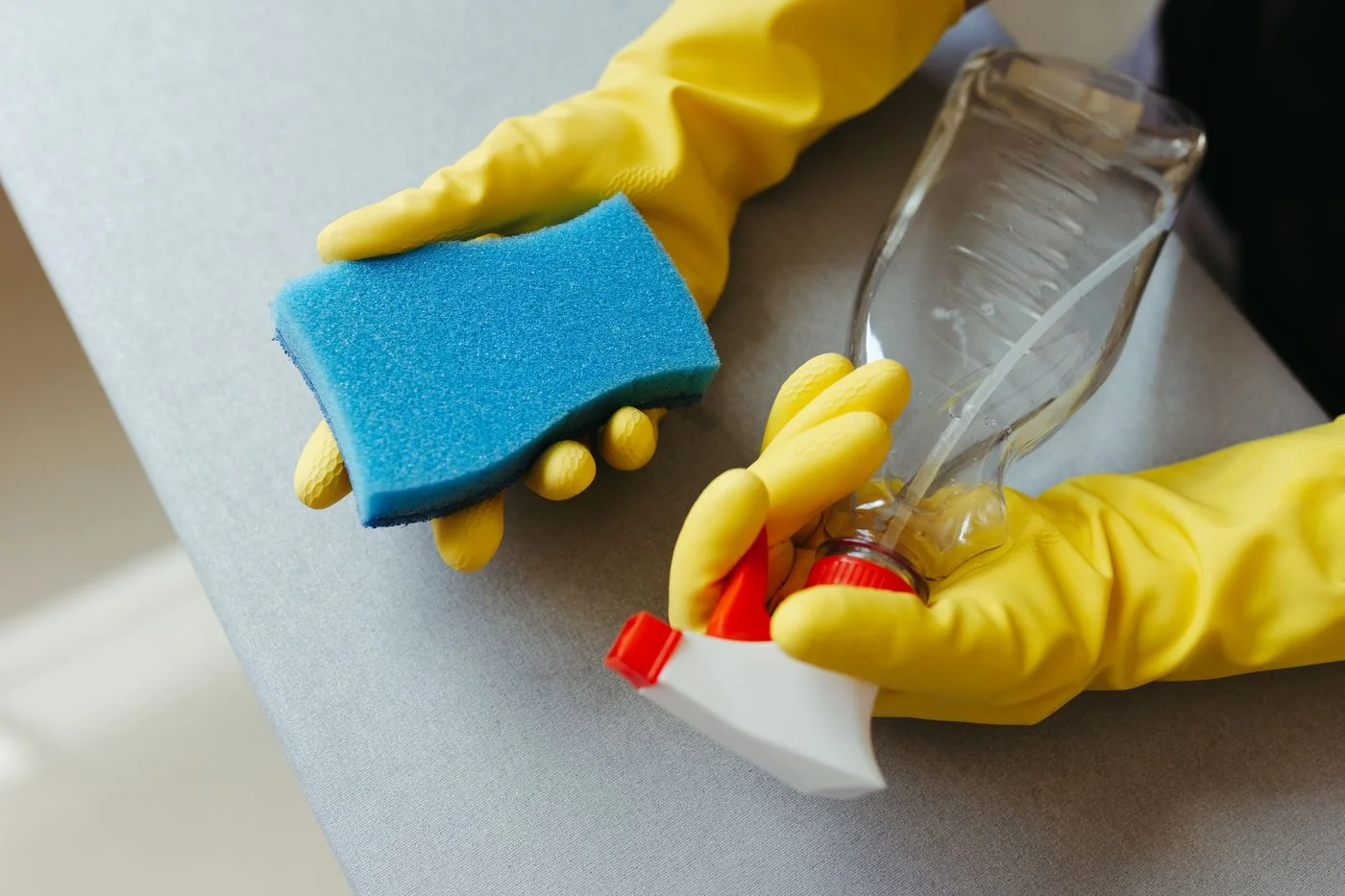
Washing dishes and cleaning surfaces ask a lot of the hands, often in short sessions scattered through the day. A useful hand-care plan begins before the chore, with suitable equipment and a clear understanding of the cleaning products being used.
Read the product labels for protective-equipment instructions. Choose gloves appropriate to the task and material, rather than assuming any household pair is suitable for every cleaner. Never mix cleaning chemicals to make a stronger solution or to save time.
The American Academy of Dermatology recommends protecting nails during cleaning and dishwashing and moisturizing after handwashing. Those habits fit most easily when gloves and a suitable hand product are available where the work begins and ends.
Make the gloves usable
Check for holes, worn areas and a fit that lets you grip safely. A pair that is too loose may slide, while one that is too tight can make the task uncomfortable. If a material causes a reaction, stop using it and seek appropriate advice about alternatives.
Keep the inside clean and dry according to the manufacturer's instructions. A damp pair pushed into a closed drawer may be unpleasant the next time you need it. Let reusable gloves dry as directed and store them separately from food-contact utensils.
Consider whether different tasks need separate pairs. Gloves used for bathroom cleaning should not move casually into food preparation or dishwashing. A simple color distinction or separate storage location can make the intended use clear.
Arrange the cleanup
Have a clean towel and suitable hand cream available after washing your hands. Do not apply products over visible cleaning residue or use moisturizer as a replacement for proper cleanup. Follow the cleaner's instructions if skin contact occurs.
Remove rings or jewelry when appropriate for the task and their care requirements, and put them somewhere safe before starting. A ring left on a sink edge is easily lost while you are focused on the chore.
If the hands repeatedly become sore, cracked or irritated during household work, discuss the pattern with a healthcare professional. Bring the names of products and glove materials involved rather than assuming one ingredient is responsible.
Good preparation does not make the chore glamorous, but it can make it more comfortable. The gloves, labels, towel and aftercare belong to one sequence, so your hands are not left to deal with the task only after it is finished.