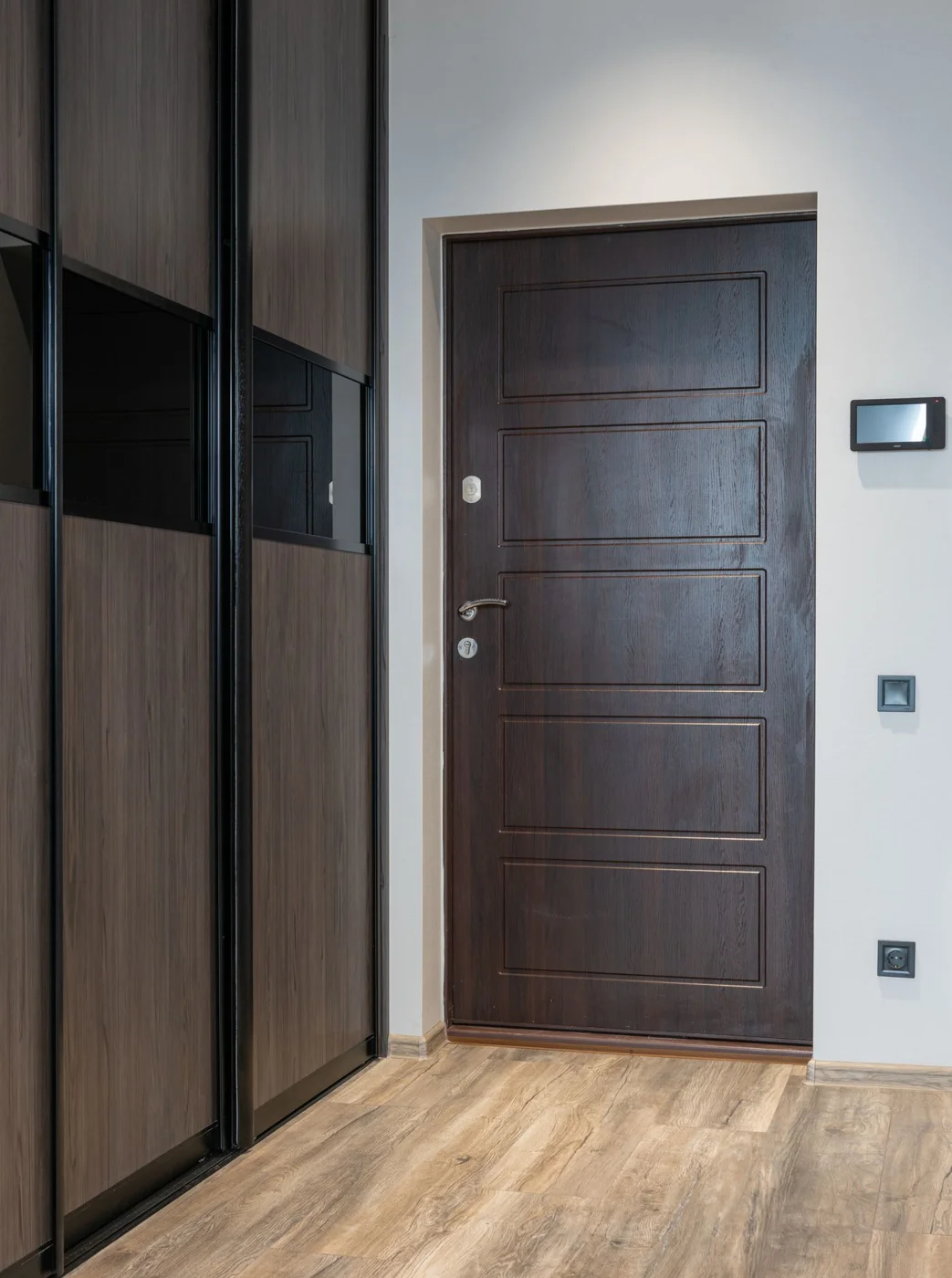
The entryway collects evidence of the day: keys, receipts, a coat, a reusable bag and something that needs returning. Without a clear place for them, those objects travel to the kitchen counter or bedroom floor and need to be found again the next morning.
Begin with a week of ordinary arrivals in mind. What do you put down first? Which item is regularly missing when you leave? The answer may point to one hook or tray rather than a full entryway furniture purchase.
Keep the walking route clear. A narrow hall may need wall storage or a small shelf rather than a deep bench. Check installation requirements and load limits, and do not mount heavy items in a way the wall cannot support.
Give the frequent items first choice
Keys need a secure, predictable location. A bag needs somewhere it will not tip into the path. Shoes need space that reflects how many are actually used, not every pair in the household. Place less frequent items elsewhere so the daily landing place remains usable.
Use a separate spot for things that must leave again, such as a library book or a return parcel. A small note can explain the next action. Avoid letting the spot become permanent storage for every unresolved errand.
Deal with food, damp clothing and other time-sensitive belongings immediately. A landing zone is not a safe holding place for refrigerated groceries or a wet coat sealed in a bag. Put those items into their proper conditions before settling in.
Keep the reset short
On arrival, put the regular objects into their places and remove obvious rubbish. You do not need to sort the entire day's paperwork at the door. Give papers a contained place and handle them at a suitable time rather than leaving them loose on every surface.
If several people use the entry, make the arrangement easy to understand. Individual hooks or a shared tray may be enough. Ask what feels convenient instead of assigning a system that only one person can maintain.
Review the area when it becomes crowded. Usually something no longer belongs there, or a needed item lacks a suitable space. A useful entry setup reduces searching and keeps the route open. It does not have to look like a staged foyer to make coming home and leaving again more straightforward.