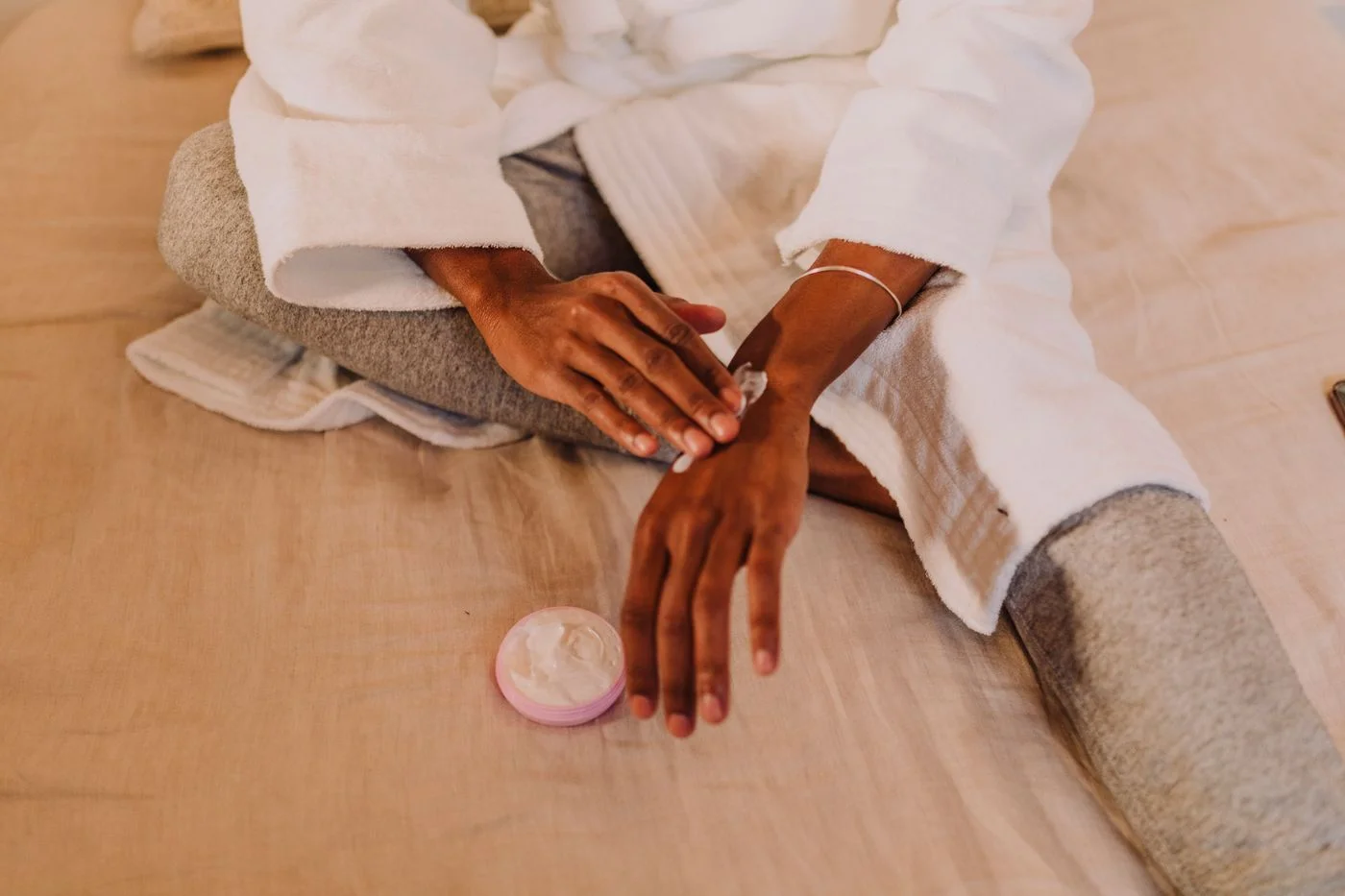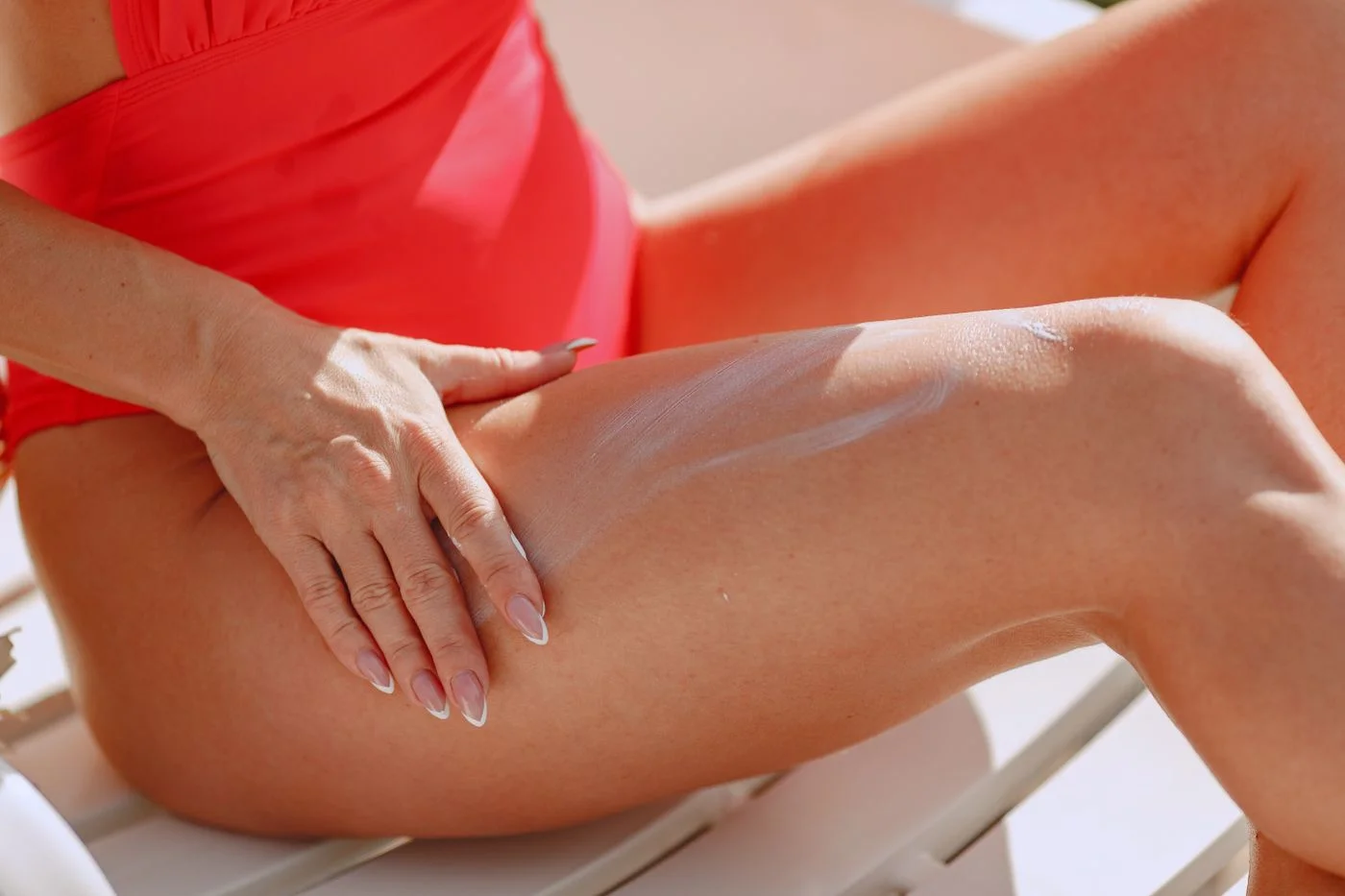
Sandal straps can make the tops of the feet seem almost covered, while leaving much of the skin between them exposed. Hands are similarly easy to overlook: they are busy holding a bag, opening a gate or carrying lunch rather than waiting patiently for the rest of the body-care routine.
When preparing for an outdoor day, check these areas deliberately. The CDC includes backs of hands and tops of feet among the places to cover with sunscreen. Use an appropriate broad-spectrum product according to its label, and remember that reapplication is part of outdoor use. Handwashing, swimming, sweating and towel drying can interrupt a morning application; do not let the fact that you started the day prepared end the planning there.
Clothing can simplify some of the work. Closed shoes cover different areas from sandals, and sleeves cover different areas depending on how they sit when you reach forward. Choose for the activity as well as the weather. Shoes suitable for a short walk to a cafe may not be the shoes you want for hours on an uneven path.
Pack around the day you are actually having
For a park visit, sunscreen in an accessible pocket is more useful than a bottle in the car you will not return to until evening. For gardening, keep suitable gloves with the tools and check where sleeves meet them. For a day involving water, follow the sunscreen's water-resistance directions rather than treating that phrase as a promise of all-day coverage.
Apply products with attention to footing. Avoid leaving slippery residue on the soles of feet, footwear or a floor. Give yourself time to finish and get ready rather than balancing hurriedly while trying to cover the last overlooked area. Follow the particular product's directions about application and timing.
After the outing, unpack the small items. Air and clean shoes or gloves as their manufacturers recommend, and put a nearly empty sunscreen on the replacement list. This is easier than discovering the empty tube on the next bright morning. Keep the label readable so expiration and storage information remain available.
An outdoor plan also needs opportunities for shade and a break. You do not have to keep walking merely because the original route looked manageable on a map. Think about the return journey and access to water before choosing how far to go.
Hands and feet do not need a separate collection of products to count as part of body care. They need to be included in the ordinary decisions about exposure, comfortable equipment, application and what the day is likely to involve.