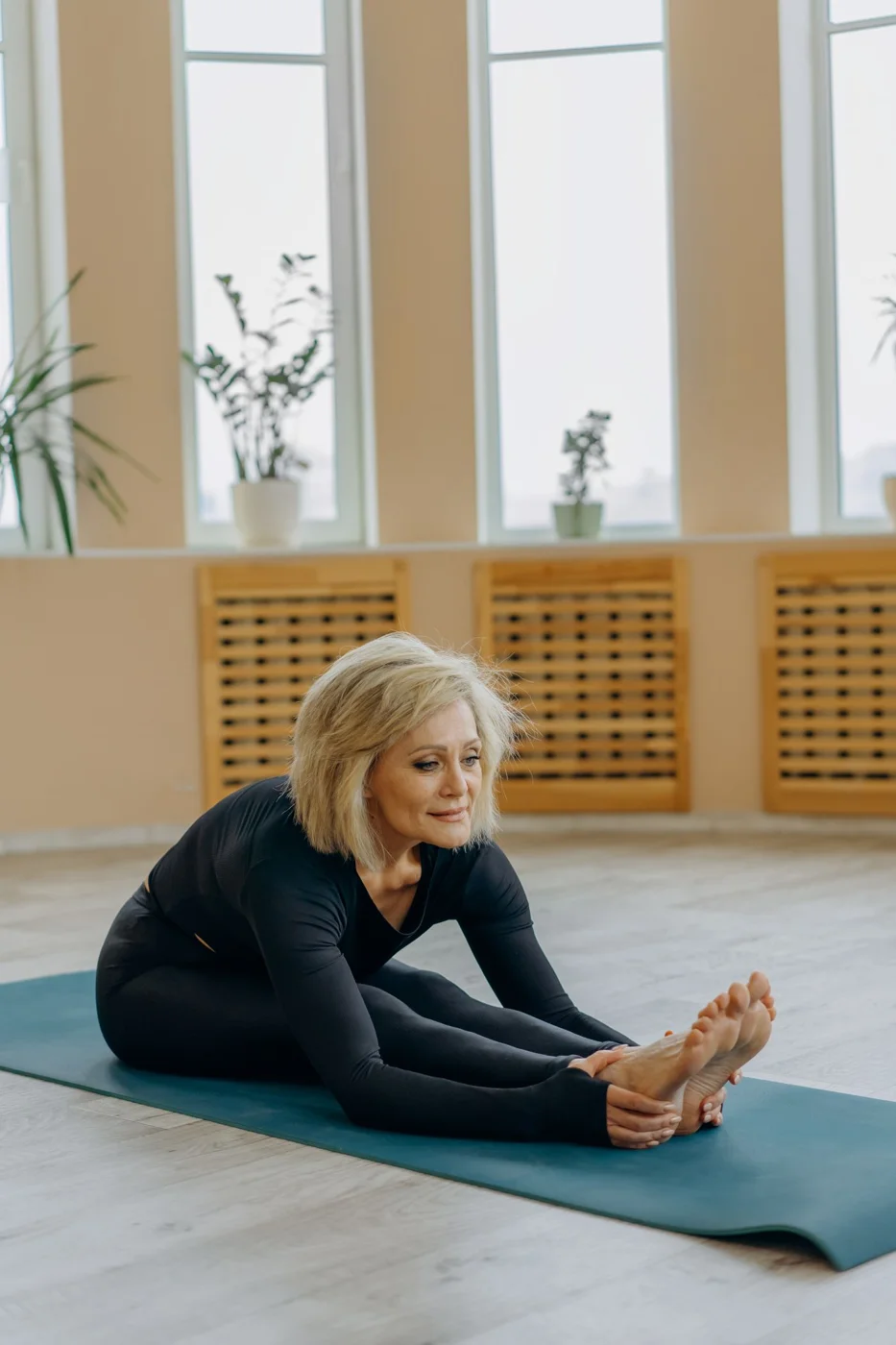
A break can feel oddly demanding when every suggestion involves a routine. Meditate, journal, stretch, make tea, go outside: each may be pleasant, but choosing among them can become another decision. A few uncomplicated options can make pausing easier on an ordinary day.
Think in terms of what you need less of for a moment. Less noise might suggest sitting in a quieter room. Less close work might mean looking out a window. Less conversation could mean a short period alone. You do not have to name a precise emotional state before making the environment more comfortable.
Keep three options available
One option can require almost nothing: sitting in a comfortable chair with the phone set aside. Another can involve a small sensory change, such as listening to a familiar piece of music at a comfortable volume. A third might include gentle movement or stepping into an outdoor space when conditions are suitable.
Choose options that do not need elaborate preparation. A break that starts with clearing a whole room may be too much for the moment. Put a chair, book or pair of shoes where it can be used without a search.
If you share a home or workplace, a brief explanation can help. Saying you will be unavailable for a few minutes is clearer than hoping others will infer it. Keep necessary responsibilities covered and remain reachable in the ways your situation requires.
Do not grade the pause
You might feel calmer afterward, or you might simply have spent a few minutes doing something different. Neither result needs a detailed analysis. Avoid repeatedly checking whether the break has lowered a score or changed a feeling.
If a particular exercise makes you uncomfortable, stop and choose another option. Sitting quietly is not equally pleasant for everyone, and a general wellness suggestion is not a reason to persist with something distressing. Ongoing stress that is hard to manage deserves appropriate support.
Return to one clear next task when the break ends. Leaving a note before you pause can make that transition easier. You do not need to reopen every message to discover where you were.
Over time, keep the options you actually use and let the others go. The purpose of a quiet break is not to demonstrate a well-rounded self-care practice. It is to create a small, usable interval within the day you are having.