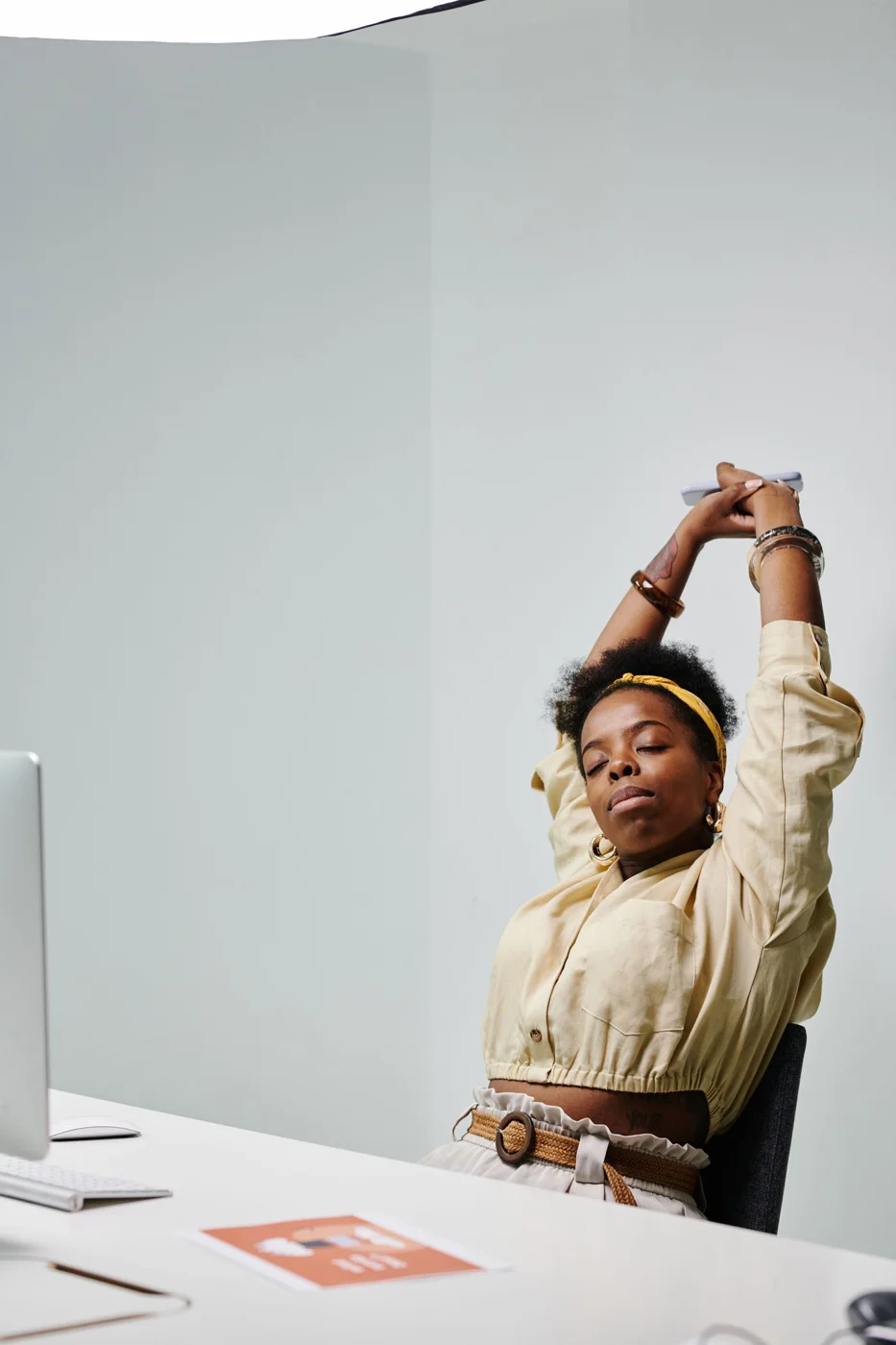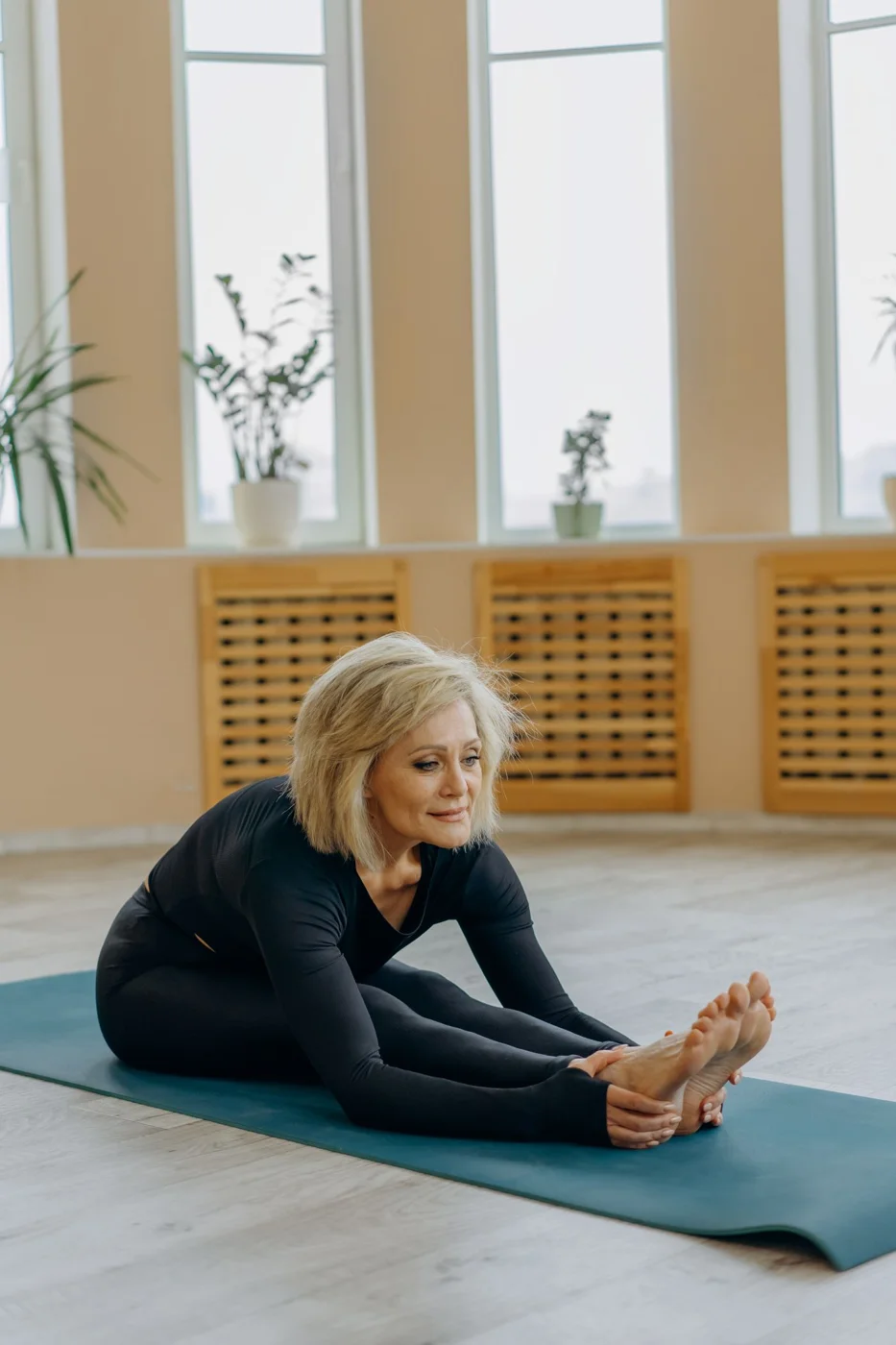
Relaxation instructions can sound simple until you try to follow them perfectly. You wonder whether the breath is deep enough, whether your thoughts have stopped or whether you should already feel different. A small experiment works better when the aim is to explore comfort rather than produce a result on command.
Choose a safe place where you are not driving, operating equipment or responsible for something that needs continuous attention. Sit in a comfortable, supported position. You can keep your eyes open. There is no requirement to make the room silent or to remove every distraction before beginning.
Begin without forcing the breath
Notice a few ordinary breaths and the contact of your feet or body with the supporting surface. Let the breathing remain comfortable rather than taking unusually large breaths or holding them to meet a pattern. If focusing on breathing feels unpleasant, shift attention to an ordinary object in the room or stop the exercise.
You might listen to a short recording from a qualified source, but preview its approach and avoid instructions that feel coercive or make medical promises. A familiar piece of quiet music or a simple seated pause may suit you better than guided imagery.
NCCIH notes that relaxation practices can occasionally bring unwanted experiences, including increased anxiety. Stop if you feel distressed, dizzy or uncomfortable. People with relevant medical or mental-health concerns can ask a healthcare professional about an appropriate approach.
Keep the interval modest
A few minutes can be enough to decide whether you want to try the practice again. You do not need to remain still for a prescribed long session simply because a recording continues. Set a gentle ending if that helps, and leave time to return to the next task without rushing.
Afterward, notice the practical experience rather than searching for a dramatic change. Was the chair comfortable? Did the voice help or irritate you? Was the timing suitable? Those observations can guide another attempt without turning the exercise into a performance score.
If it did not suit you, choose a different kind of break. Movement, quiet company or an ordinary enjoyable activity may fit the moment better. No single technique is required for a valid approach to rest.
Ongoing stress or symptoms that interfere with life deserve professional support. A brief relaxation experiment can be one optional part of a day; it should not be presented as a replacement for care or a reason to delay asking for help.