Two conditioners can promise softness while asking you to use them differently. One is designed to be rinsed away; another is formulated to remain on the hair. The shared word conditioner does not make them interchangeable.
The American Academy of Dermatology specifically advises against using rinse-out conditioner as a homemade leave-in, including diluting it with water in a spray bottle. Use a product intended for the job rather than inventing a new formula from what is already in the shower.
Work out which job you need
A rinse-out conditioner belongs to the washing sequence described on its label. A leave-in may be an additional option when its directions and purpose fit your hair. You do not necessarily need both every time, and you do not need to add a leave-in because a product routine photograph includes one.
Consider what is difficult after washing. Is the hair hard to manage in a particular section? Is the styling routine taking too long? Is the product you already use simply being applied unevenly? Answering that question helps distinguish a new product need from an application problem.
Read where the leave-in should be applied, how much to use and whether it is intended for damp or dry hair. These details vary. A spray and a cream may require different handling, even if both are sold for the same hair texture.
Two examples of different routines
For a person with fine, shoulder-length hair who dislikes a coated finish, adding a rich leave-in across the whole head may make the routine less enjoyable. A careful trial according to the label, focused on the intended areas, gives better information than assuming more conditioner must be better.
For someone with long hair who spends substantial time detangling, the question may be whether a suitable leave-in makes later handling more manageable. The product should still be used as directed and washed out as instructed; it is not a reason to abandon ordinary scalp cleansing.
These are examples of decision-making, not prescriptions for those hair types. Your own response and any professional advice matter more than fitting a category.
Keep the bottles easy to distinguish
A leave-in can also complicate a routine if it is applied automatically after every small styling adjustment. Keep track of the difference between applying it after a wash and repeatedly adding it during the days afterward. The label should guide the method and washout expectations.
If you have several products that remain on the hair, consider the total sequence: leave-in, styling cream, gel, oil and finishing spray may all be present. Each can have a role, but the fact that they were sold separately does not mean they all need to be used together. A clearer sequence often makes the next purchase easier to judge.
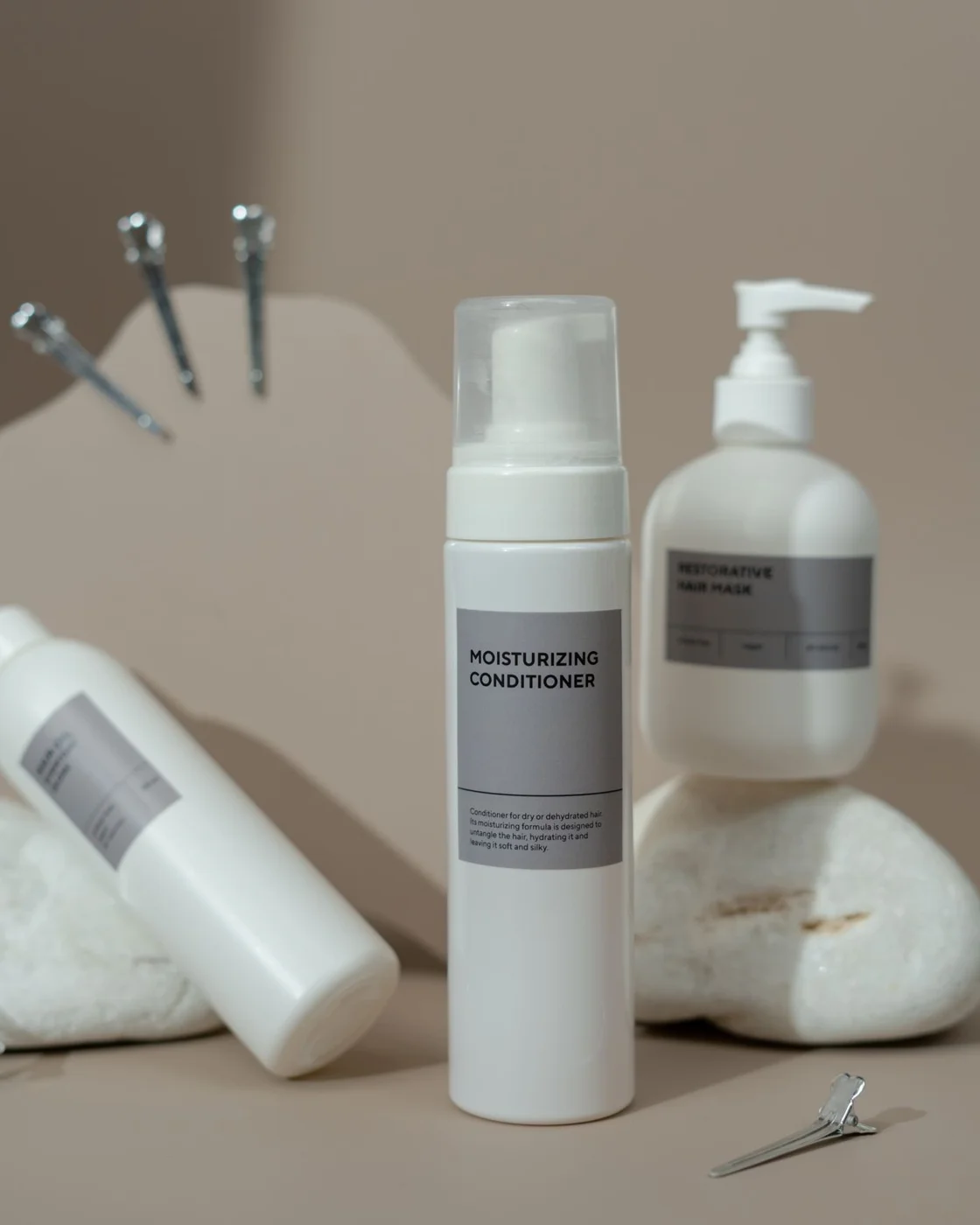
Store the rinse-out product with the shower supplies and the leave-in with the tools used afterward if that matches your routine. Similar packaging can cause mistakes when you are tired or sharing a bathroom.
Do not keep applying more leave-in to compensate for a style you dislike without considering washing and buildup. If the scalp becomes uncomfortable or a product causes irritation, stop and seek advice when needed. Each conditioner should have a clear job, with enough space between the categories that convenience does not turn into improvisation.