One person reaches for a blanket while the other pushes the duvet away. Neither response proves that the room is objectively wrong. People sharing a bedroom can have different comfort preferences, and a single thermostat setting does not settle all of them.
Have the conversation during the day. It is easier to compare options when nobody is already tired or annoyed. Describe what happens rather than assigning a label: cold feet at the beginning of the night, a sweaty upper back later, or a draft across one pillow. Those details point toward different adjustments.
Change the bed before changing the room
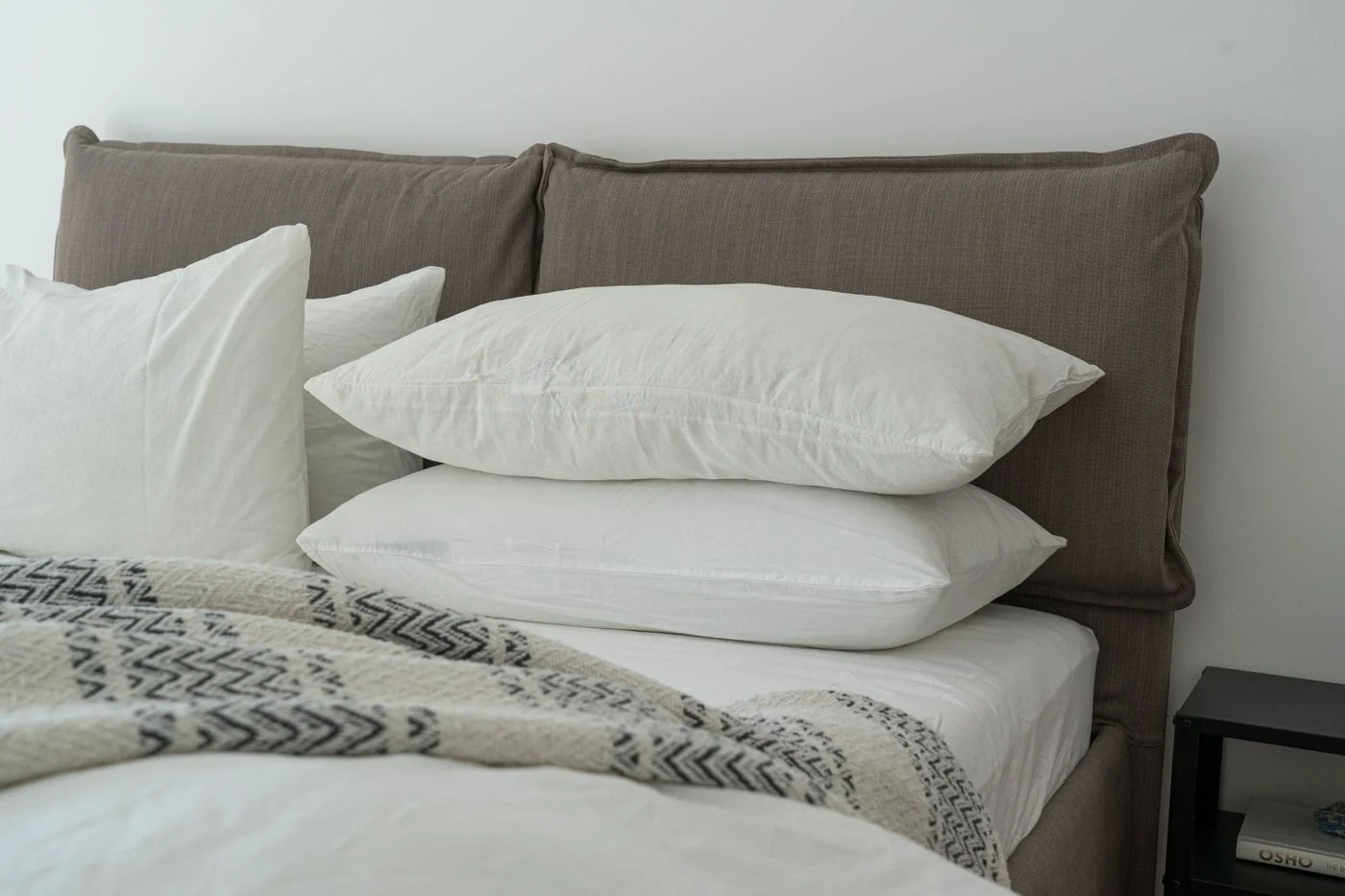
Try separate covers of different weights. They can sit beneath one decorative cover during the day and separate at night. The cooler sleeper might use a light quilt while the other adds a blanket on their own side. Avoid piling the extra layer across both people simply to make the bed look symmetrical.
Check whether one side sits beside a vent, radiator or sunny wall. Switching sides for a few nights may reveal a room-layout issue. Keep furniture and bedding clear of heating equipment and follow the equipment's clearance requirements; do not block a vent with a blanket.
A fan also needs discussion. Air moving toward one person may disturb the other through noise or a direct draft. Position it securely with its cord outside the walking route. You can test a different direction before deciding that the fan itself is the problem.
Agree on adjustments you can repeat
Choose a reasonable starting thermostat setting together and decide which personal changes come first. For example, one partner can add their own blanket before raising the room temperature. The other can remove a layer before switching on a fan. This is a household agreement, not a contest to find the more correct sleeper.
Keep any trial simple. Changing pajamas, bedding, fan position and the thermostat on the same night makes the result hard to interpret. A brief note the next morning can capture what was comfortable without turning the night into a monitoring exercise.
Persistent or unexplained night sweats, chills or other new symptoms are worth discussing with a healthcare professional. For ordinary differences in preference, though, a divided bedding arrangement often leaves more room for compromise than one increasingly elaborate shared duvet.