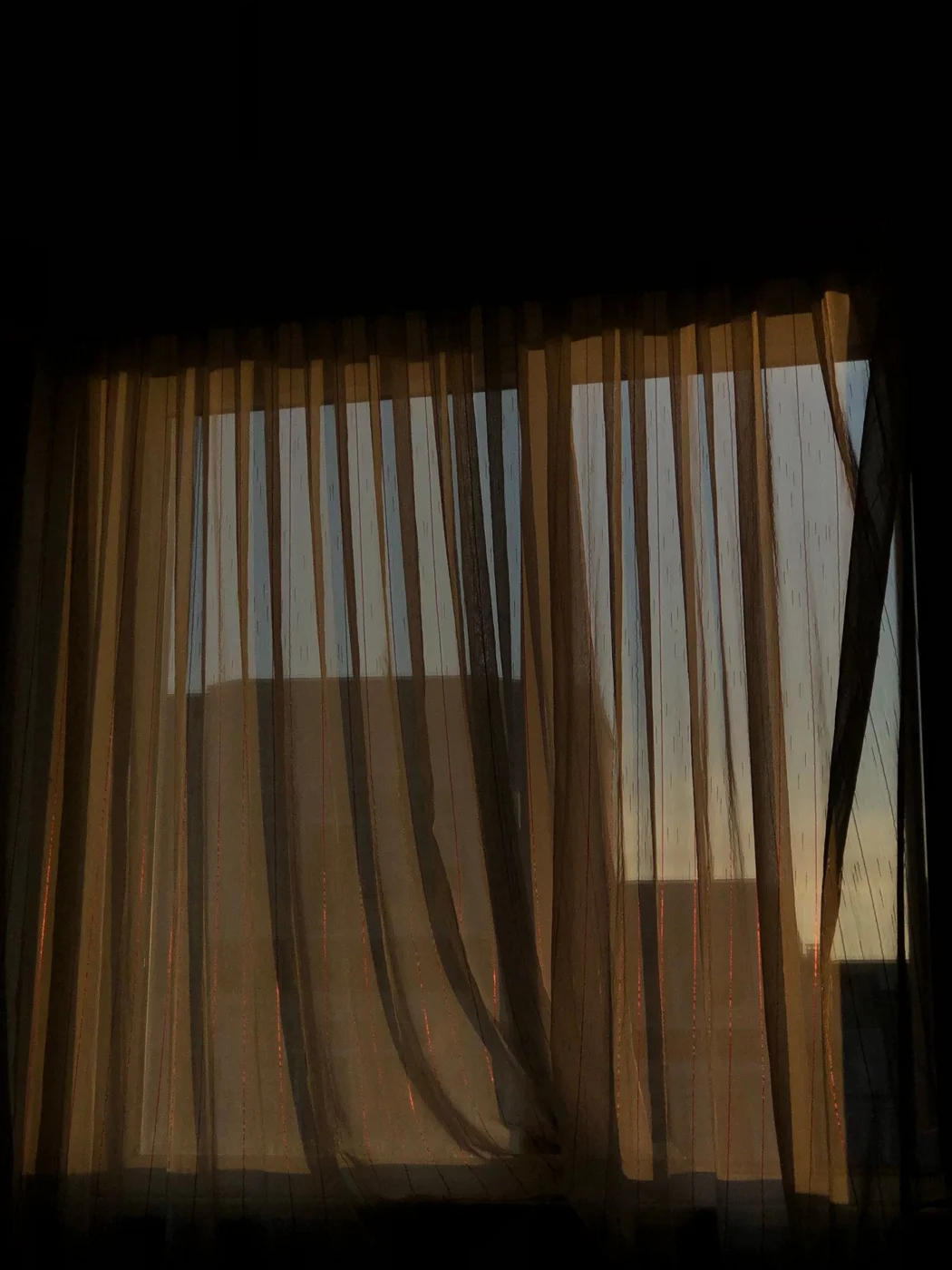
Sleeping during the day changes which parts of a bedroom matter most. Delivery buzzers, lawn equipment and bright window edges may be irrelevant at midnight but hard to ignore at ten in the morning. A useful setup begins with the hours you actually need the room.
NHLBI suggests reducing light and sound distractions when shift workers sleep during the day. That guidance leaves room for many ordinary household choices; it does not require turning a home into a sealed studio.
Walk through the daytime conditions
Check the room during your intended rest period. Notice direct sunlight, nearby activity and how warm the space becomes. Curtains that look opaque at night may let through much more light in daytime. Look at their width and edge coverage before assuming you need a different fabric.
Use window coverings according to their installation instructions and keep emergency exits clear. Do not cover vents or disable alarms. If daytime temperature is a problem, use the room's cooling controls safely and keep cords out of the path to the door.
Put necessary items within reach before settling down. That might include water on a stable surface, glasses and whatever communication device you need. Silence optional notifications while preserving calls you must receive. Check the settings rather than relying on a general silent mode you have never tested.
Tell the household what the hours mean
Share a clear resting window with the people who live with you. A note on the door can be useful when schedules change, but it should support a conversation rather than replace it. Agree on which activities can move and which interruptions are unavoidable.
Consider deliveries, maintenance visits and routine phone calls when planning the week. Moving one appointment may be more effective than buying another noise device. If you live alone, choose delivery instructions that do not depend on hearing a knock during your rest period.
Leave yourself a clear transition when you get up. Clothes and work items can be prepared before rest so waking does not immediately become a search. If you remain very sleepy or struggle to adapt, discuss it with a healthcare professional. Do not drive when sleepy. A darkened bedroom is one piece of a shift-work routine, and persistent difficulty deserves more than another set of curtains.