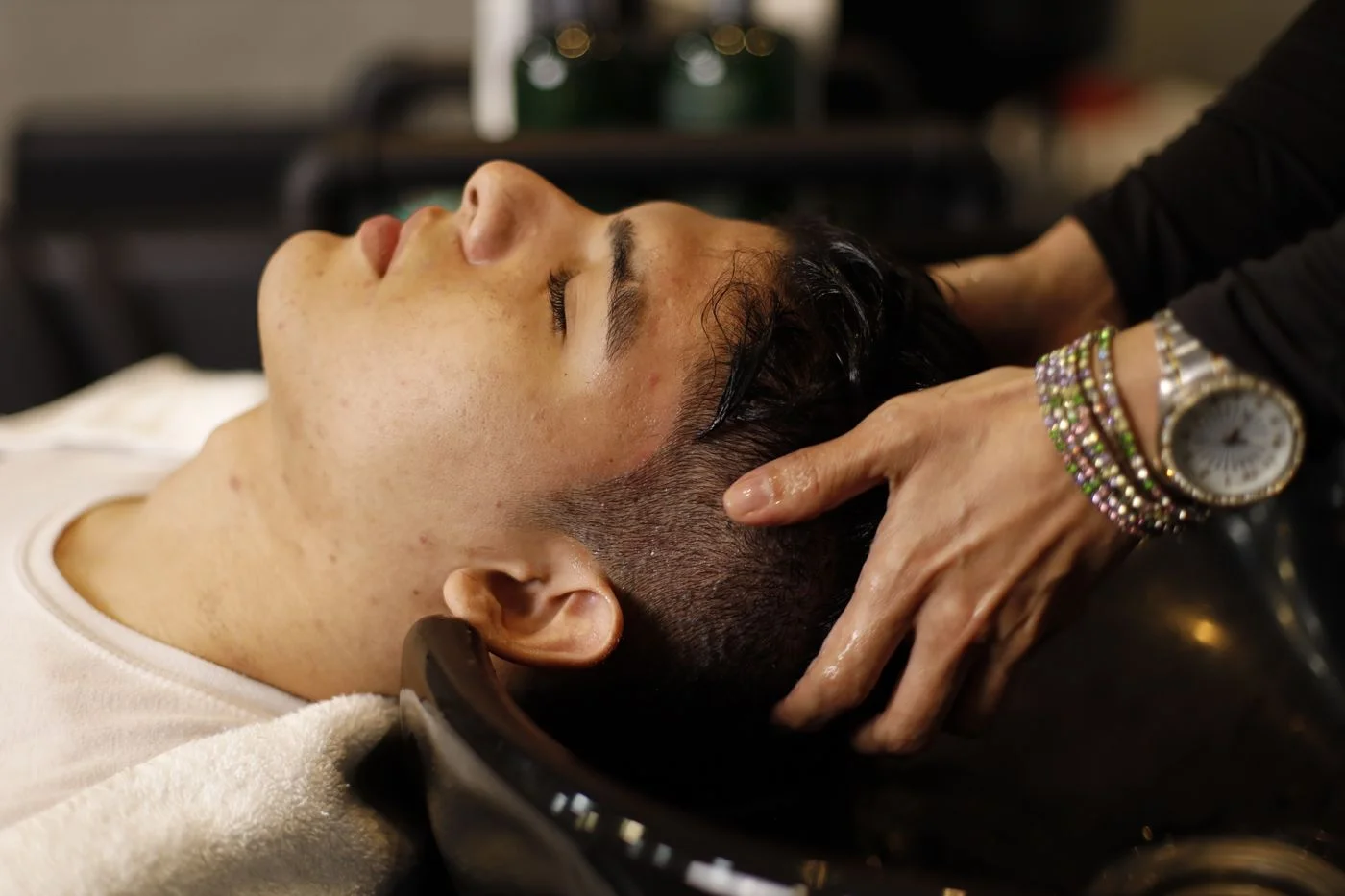
Short hair can be quick to style, but a small amount of growth may change how it sits. A section that once lay neatly can begin turning outward, and the amount of product that worked after the haircut may feel different several weeks later.
Before adding more hold, look at what changed. Is the hair longer around the ears? Does the front need a different direction while drying? Is the product being used to preserve a shape that the cut has already grown past? These questions can help you choose between a small styling adjustment and a haircut appointment.
With less length to distribute through, it can be easy to use more styling product than intended. Follow the directions and start with a controlled amount. Warm or distribute it in your hands if instructed, then apply deliberately rather than concentrating it in the first section you touch.
Judge the result in more than one view. A handheld mirror can help you check the back without adding repeated blind passes. You do not need perfect symmetry, but seeing the whole shape is more useful than continually correcting the front.
Wash according to scalp needs and product instructions rather than assuming short hair always requires the same schedule. A styling paste, an active day and personal preference may change the routine. Persistent scalp symptoms need appropriate advice, not simply a stronger shampoo.
Take a photograph of the cut on an ordinary good day if it helps you communicate what you like. Note what becomes difficult as it grows. This gives the stylist more information than saying it was better when it was shorter.
Ask for a demonstration of any technique you want to repeat at home. The direction of drying or placement of a small amount of product may matter more than owning several different tools. Be honest about how much time you want to spend.
A short-hair routine can stay flexible and small. It might involve one familiar styling product, a simple drying method and a willingness to adjust as the shape changes. The haircut is allowed to evolve between appointments without every variation becoming a problem to fix with another layer.