A sleep score can be the first opinion you receive about your day. Before you have stood up, an app has labeled the night with a color, number or word. That information may be interesting, but it should not erase your own observation of how you feel.
Consumer devices estimate sleep using the signals and methods available to them. They are not a substitute for a clinical assessment. Read the manufacturer's explanation of what the device measures and what its results are intended to mean, especially before treating a stage chart as a precise account of the night.
Decide what you want to learn
A tracker may help you notice bedtime patterns or remember when a schedule changed. Those are different questions from diagnosing why you wake often or deciding whether you have a sleep disorder. Keep the question small enough that the information can reasonably help.
Look at a run of ordinary nights rather than reacting to one unexpected result. Check whether the device was worn as instructed and whether a software change affected the display. Avoid changing several habits solely because one morning's score looks worse than usual.
You can also choose when to look. Opening the app after breakfast rather than immediately on waking gives you a chance to notice your own alertness first. If the numbers repeatedly leave you worried or preoccupied, taking a break from viewing them is a valid choice.
Keep health decisions separate
Persistent daytime sleepiness, breathing changes during sleep or ongoing difficulty sleeping deserve discussion with a healthcare professional, even if a device reports good results. Likewise, an isolated low score does not establish a medical problem. Bring a description of symptoms and routines to an appointment; a chart can be supplementary information.
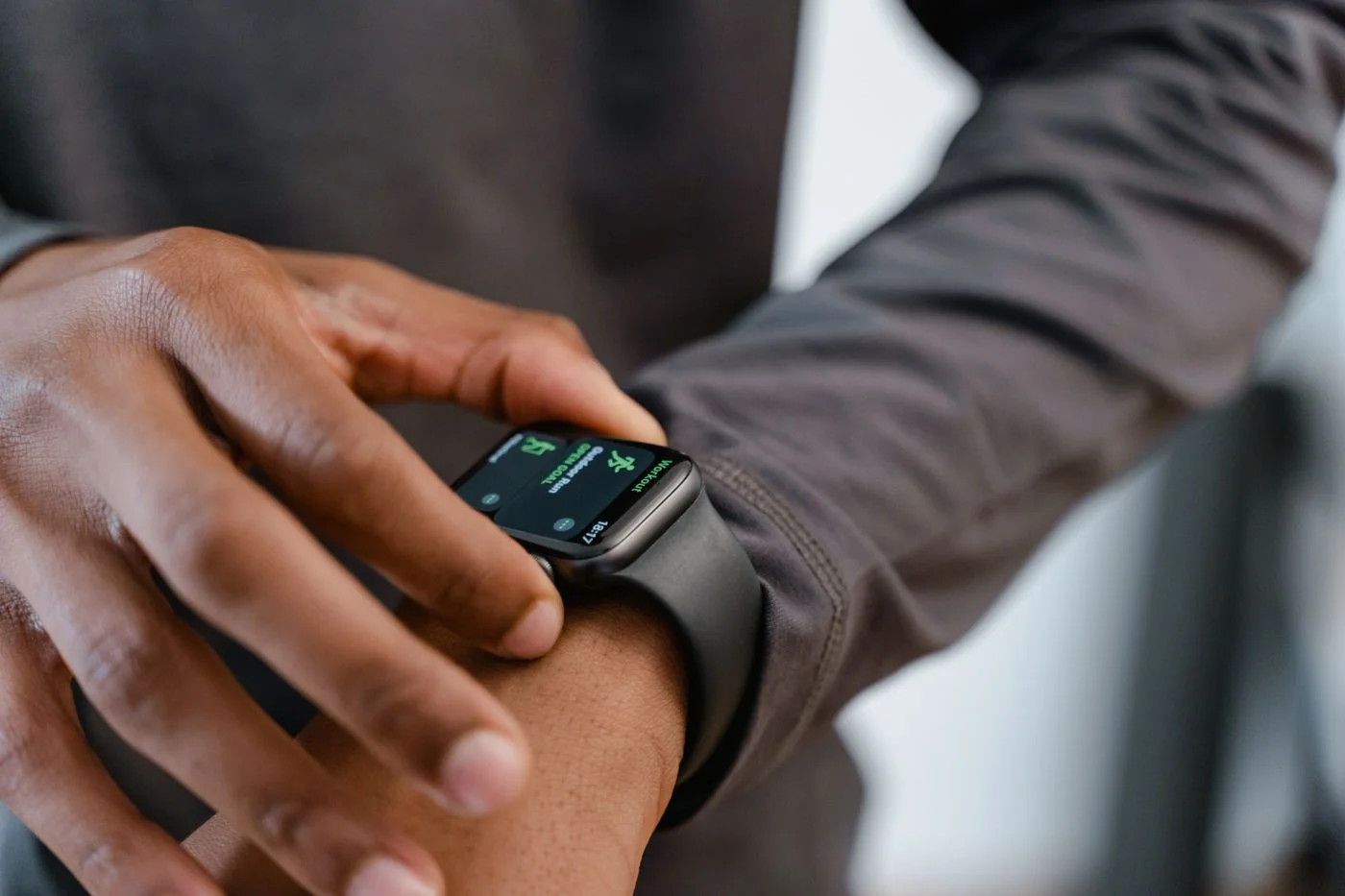
Consider privacy before enabling additional features. Check what the service stores, whether data is shared and how to delete an account or export records if you want them. A device that fits your wrist also needs to fit your preferences about personal information.
A useful tracker should remain optional in your relationship with sleep. You can wear it, use only a few features or stop checking the score. The night does not become better documented simply because every estimate has been studied in detail.