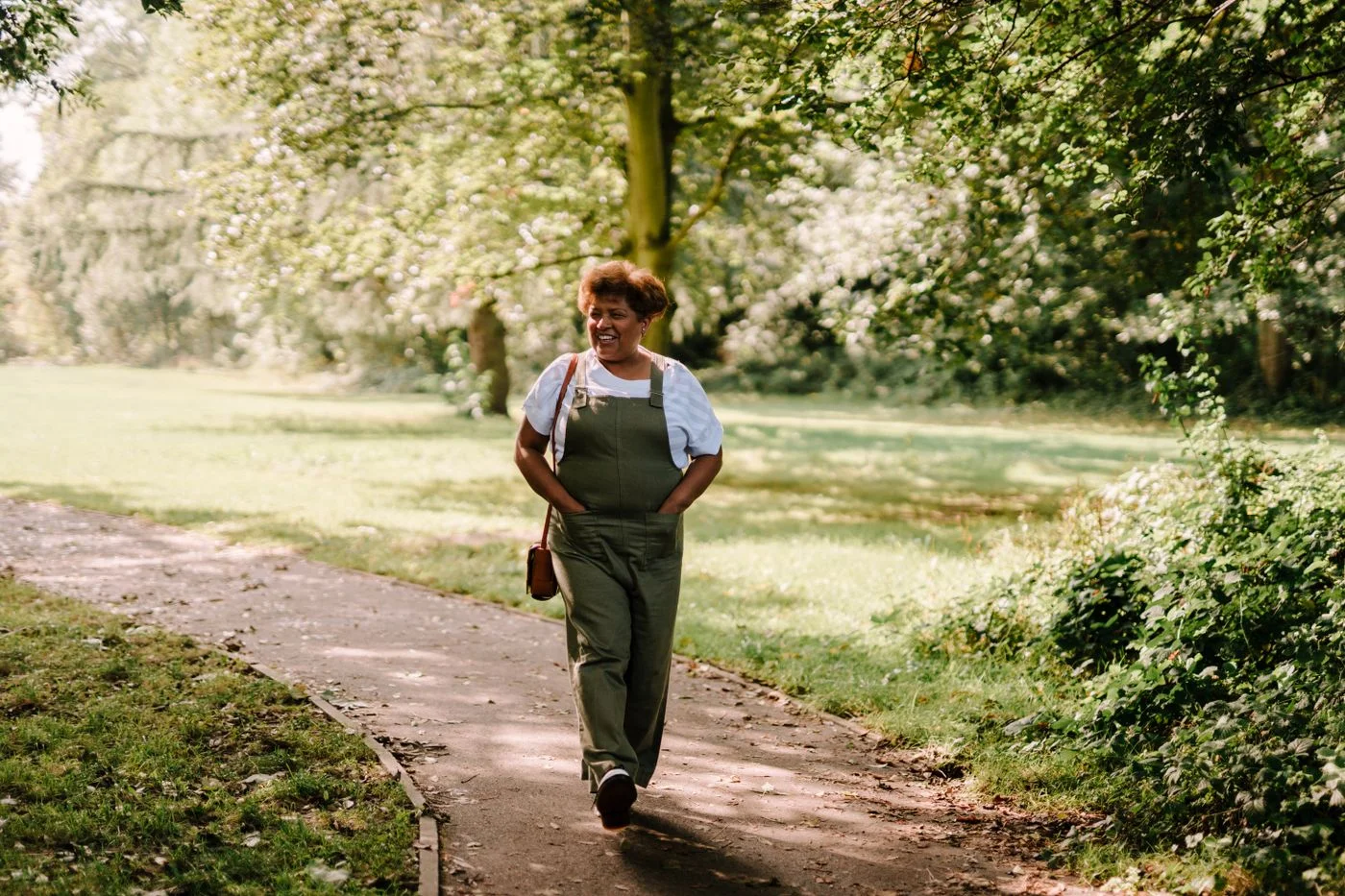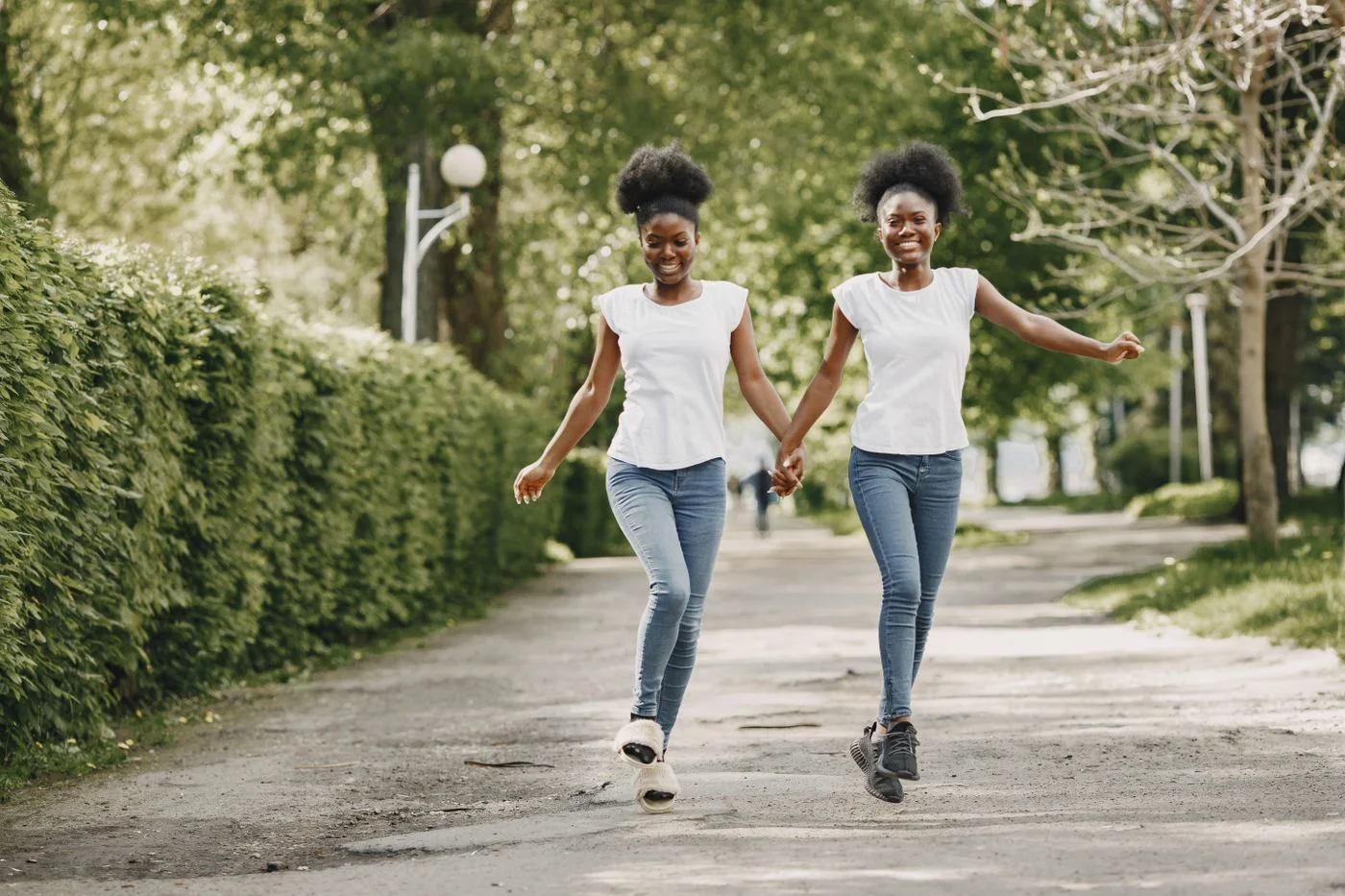
Let's go for a walk can mean very different things to two people. One imagines a gentle conversation around the block; the other expects a long, brisk route with hills. A few clear details can make the invitation more welcoming.
Describe the approximate time, surface and meeting point. Mention hills, stairs or other features that might affect comfort or accessibility. Offer an easy way to shorten the route. Nobody should have to discover halfway through that turning back will disappoint the group.
Let conversation influence the pace
Choose a pace that works for the people present rather than following the fastest walker. If the purpose is company, there is little value in spreading the group across several streets. Pause where appropriate and make room for people who need a different rhythm.
Avoid treating the walk as an opportunity to give unsolicited advice about exercise, bodies or health. You can enjoy movement together without assigning the outing a corrective purpose. A social invitation should not require someone to explain private medical circumstances.
Check the weather and local conditions before leaving. Have an alternative meeting place or a straightforward cancellation plan when conditions are unsuitable. Agreeing to meet does not mean agreeing to walk through dangerous heat, storms or poor air quality.
Keep the logistics easy
Pick a recognizable meeting point and decide how long you will wait if someone is delayed. Carry what you need, keep valuables secure and remain aware of crossings and traffic. If the group uses different transport to arrive, make sure the route returns people somewhere practical.
A café stop can be pleasant, but check that it fits everyone's budget and preferences rather than adding it as an assumed requirement. The walk itself can be the whole plan.
For a recurring outing, leave room for changes in attendance and ability. A person can join for part of the route or skip a week without needing to make up the distance later. Flexibility helps the social part remain comfortable.
Afterward, ask whether the route worked. A different surface, shorter loop or quieter time may make the next walk easier. The best shared route is not necessarily the most scenic one; it is the one that allows the people who came to move and talk comfortably together.