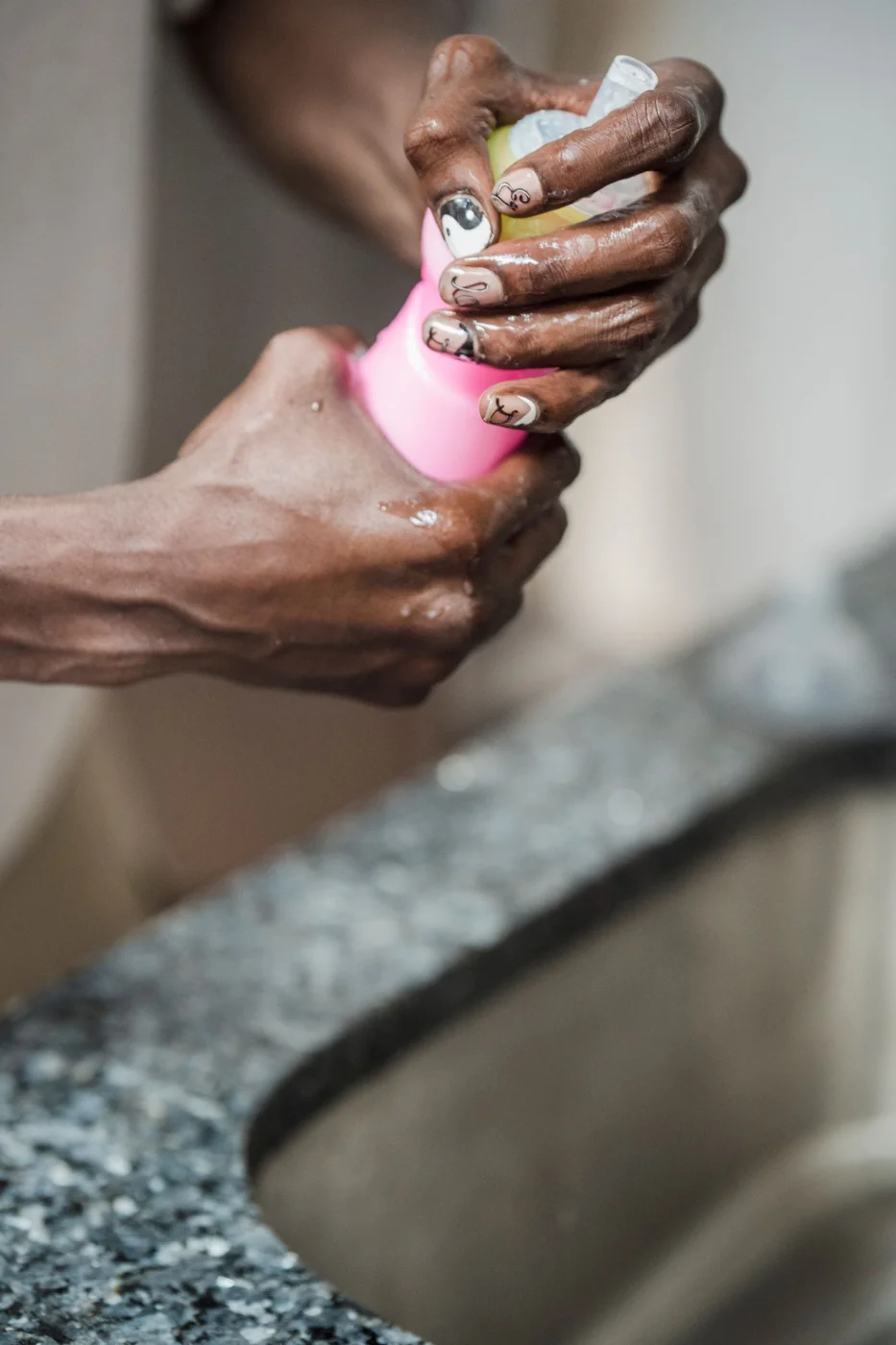
A bottle can look clear while its hardest-to-reach parts need cleaning. The cap, straw, threads and removable seal may hold residue that a quick rinse does not remove. Before choosing a cleaning routine, find the instructions for the bottle and its components.
Check which pieces can be taken apart and how they should be reassembled. Do not pry out a seal that was not designed to be removed. If a part is damaged, stretched or no longer fits properly, look for an appropriate replacement rather than forcing it back into place.
Use the method the materials allow
Some bottles and lids are dishwasher-safe; others require hand washing. A metal body and a plastic lid may have different instructions. Follow the permitted temperatures and cleaning products, especially with insulated finishes, printed markings or special coatings.
For hand washing, use suitable washing-up supplies and brushes that can reach the interior without scratching or damaging it. Clean the drinking spout and any straw according to the manufacturer's directions. Rinse thoroughly so cleaning residue does not remain in the next drink.
Avoid mixing cleaning chemicals or following an improvised recipe that is unsuitable for the material. More concentrated does not automatically mean more effective or safer. If the manufacturer gives a specific method for stubborn residue, follow that method rather than guessing.
Let the parts dry
Leave components open and positioned so water can drain and air can reach them. Closing a wet lid on a bottle and placing it in a cupboard can make it difficult for hidden areas to dry. Keep the drying area clean and away from splashes or dirty dishes.
Inspect the pieces before reassembly. Persistent odor, visible growth, cracks or damage should be addressed rather than masked with a flavored drink. If you cannot clean a component adequately, contact the manufacturer or replace it as appropriate.
A bottle used for drinks other than water may need more attention to residue. Empty it after use instead of leaving the contents for the next day. Avoid sharing the drinking spout, and keep personal bottles identifiable in a shared household.
Choose future purchases partly by how easily you can clean them. A simple lid with accessible parts may suit you better than a clever mechanism with several hidden channels. The bottle's convenience includes what happens at the sink, not just how easy it is to carry.