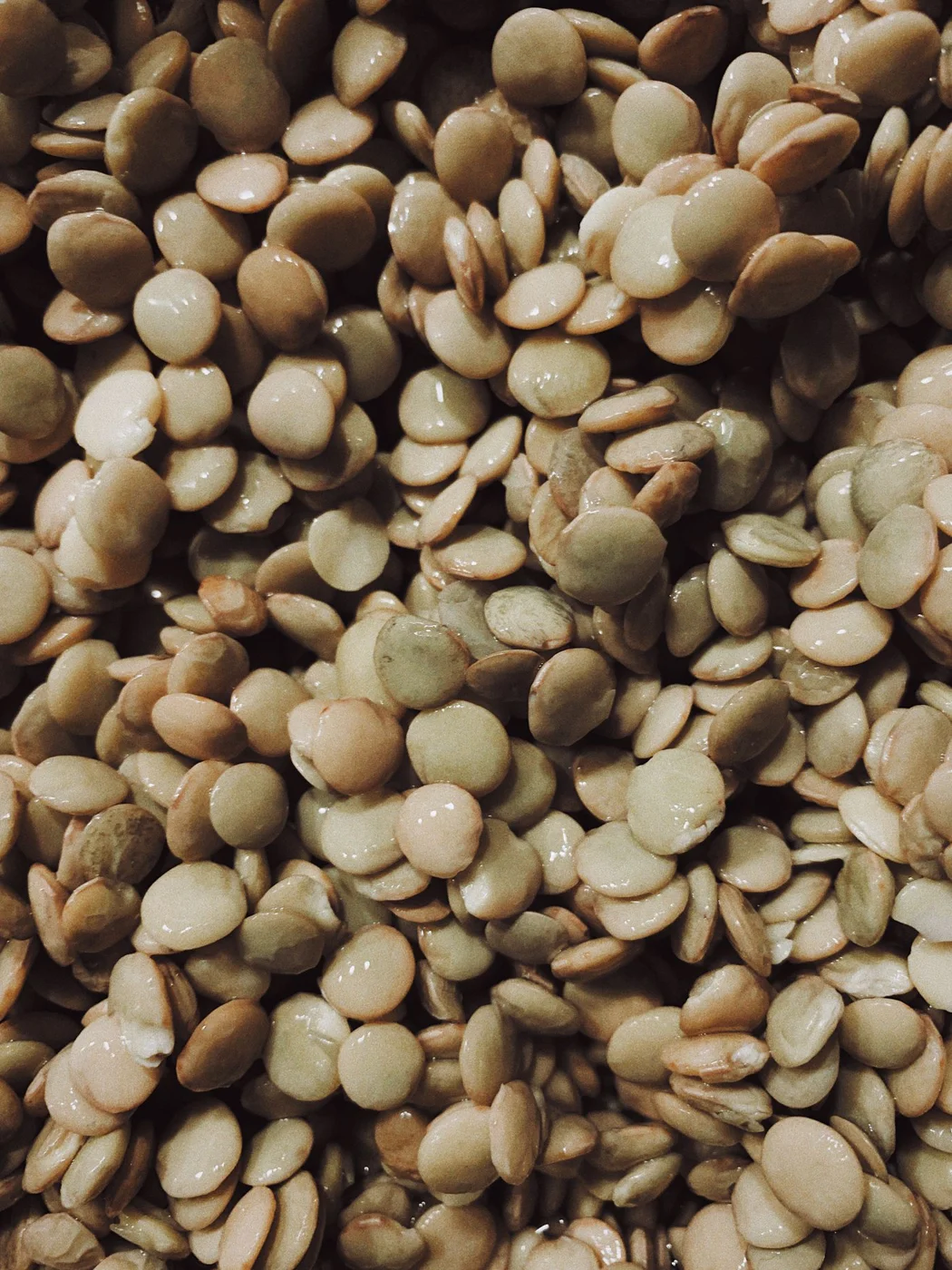
Beans can feel like a large dietary change when the first plan is a full week of unfamiliar recipes. Begin with a meal you already know and a modest amount of a bean you enjoy. A soup, rice bowl or salad may offer a straightforward place to try it without rebuilding the whole meal.
Choose a form that fits your time. Canned beans can be convenient when used and stored according to the package directions. Dried beans require their own preparation and cooking method; do not assume a shortcut that works for one kind is suitable for every variety. Use a reliable recipe or the package instructions.
The National Institute of Diabetes and Digestive and Kidney Diseases advises adding dietary fiber gradually so the body can adjust. This is a reason to make a manageable change rather than treating a large serving as a test of commitment. Personal tolerance and medical dietary needs differ, so use professional guidance when a condition affects what or how much you should eat.
Try a small addition with a clear purpose
Think about the role you want the beans to play. They might add substance to a soup, become part of a filling or contribute a different texture to a bowl. Season and prepare them for that role rather than adding them as an afterthought to a dish whose flavors do not suit them.
If you dislike the first attempt, identify what was unappealing. Was it the texture, the amount, the seasoning or the particular bean? Those details suggest different next steps. A smaller amount in a different preparation may be worth trying; you are also free to choose another suitable food.
Plan the remainder when opening a package. Store leftovers as directed in an appropriate container, with the identity and date clear. A half-used ingredient is easier to return to when it already has a place in another meal you want to make.
You do not need to track every bite or increase the amount on a rigid schedule. Pay attention to comfort and keep the change within your ordinary eating pattern. Persistent digestive symptoms deserve advice rather than repeated attempts to push through them.
Once you find one preparation you like, let it become familiar before adding several more. A repeatable meal is a useful result on its own. It gives you another option in the kitchen without turning a single ingredient into a promise about health or a new set of food rules.