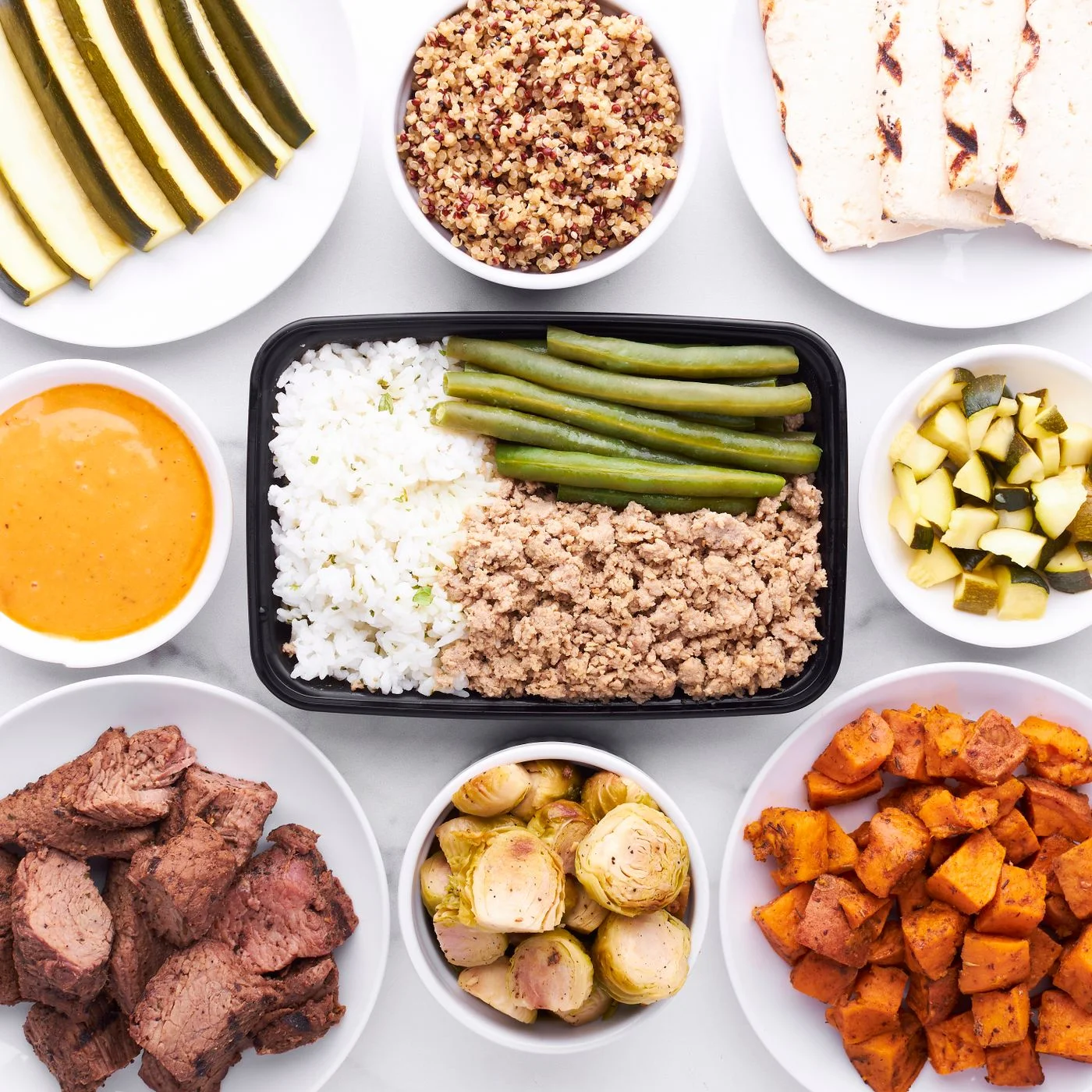
If dinner begins with the same protein food most nights, variety can feel like a request to learn a whole new cuisine. It does not have to be. Keep a familiar meal structure and change one part of it: a bowl, a soup, a sandwich or a plate with vegetables and a grain.
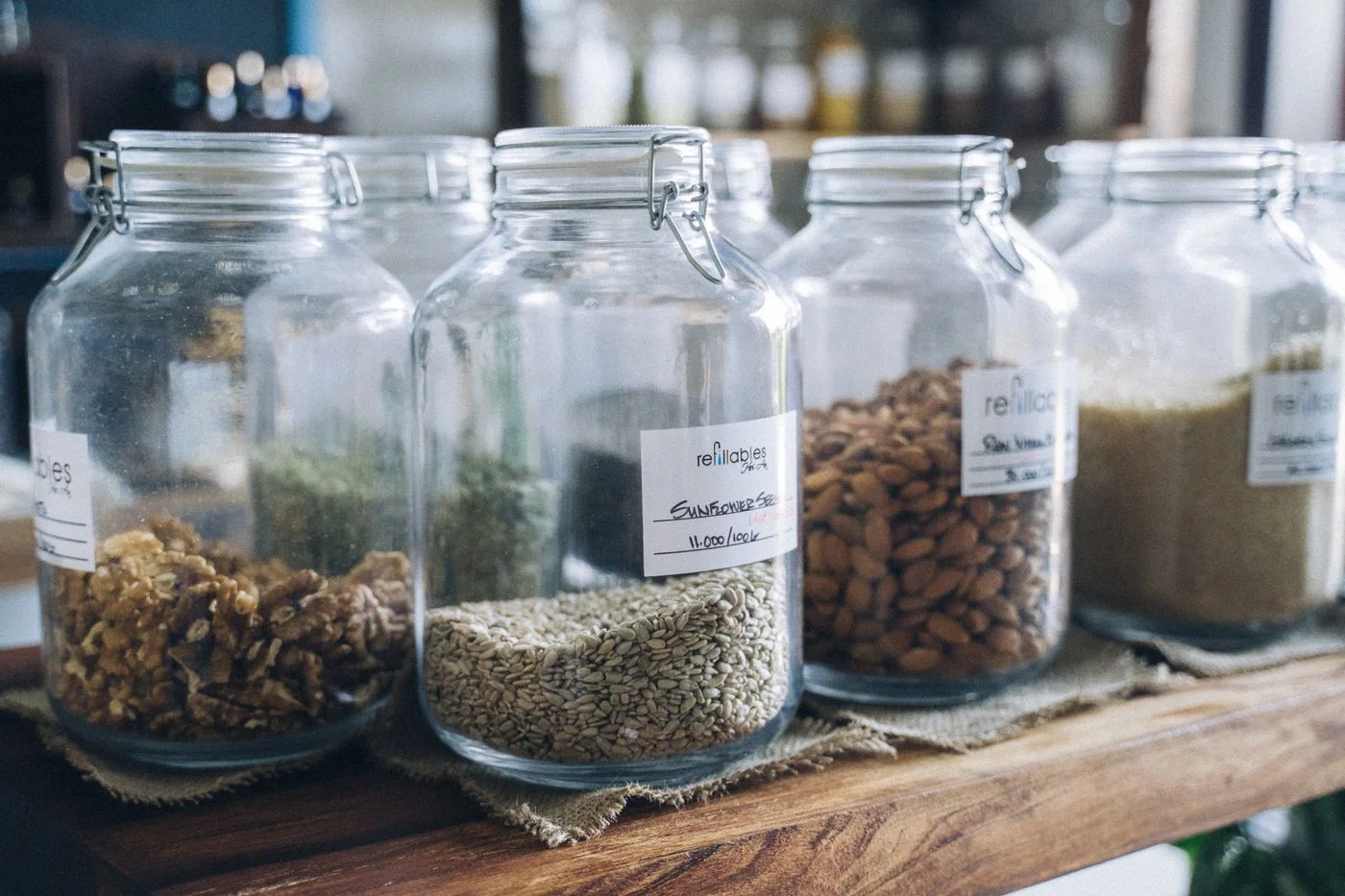
The CDC's meal-planning guidance lists protein foods including seafood, meat, poultry, eggs, beans, peas, lentils, nuts, seeds and soy foods. Those foods do not all provide identical nutrients or interchangeable portions. The useful first step is to recognize that the group offers several kinds of ingredients, rather than treating protein as another name for meat.
Think about what you already enjoy. If you like a tomato-based soup, cooked lentils may fit the flavors you know. If a rice bowl is familiar, you could try an appropriate preparation of tofu, beans, egg or another protein food alongside the same vegetables. Choose foods that fit your dietary needs and any allergies, and prepare them safely according to their requirements.
Give the new ingredient a manageable job
Buy a quantity you can use rather than a large package chosen in a burst of enthusiasm. Read the storage instructions before opening it. A useful experiment includes a plan for the remainder, not just the first serving.
Pay attention to texture as well as seasoning. An ingredient may be unfamiliar because it is softer, firmer or more crumbly than the one you usually use. Try it in a dish where that texture makes sense. A soft ingredient that feels awkward in a sandwich may work comfortably in a bowl or soup.
You do not need to replace every familiar meal. Add one variation to the week's options and see whether you want it again. A food you enjoy and know how to prepare is more likely to become part of the routine than an ambitious recipe you associate with extra work.
If you have a medical condition that affects protein intake or food choices, use the plan agreed with your clinician or registered dietitian. A general list cannot determine an appropriate amount for you.
For ordinary meal planning, keep notes about the practical details: which preparation you liked, how the package was used and whether the meal felt convenient. Over time, those notes create several familiar dinners instead of one familiar dinner and a long list of ingredients you think you ought to try.