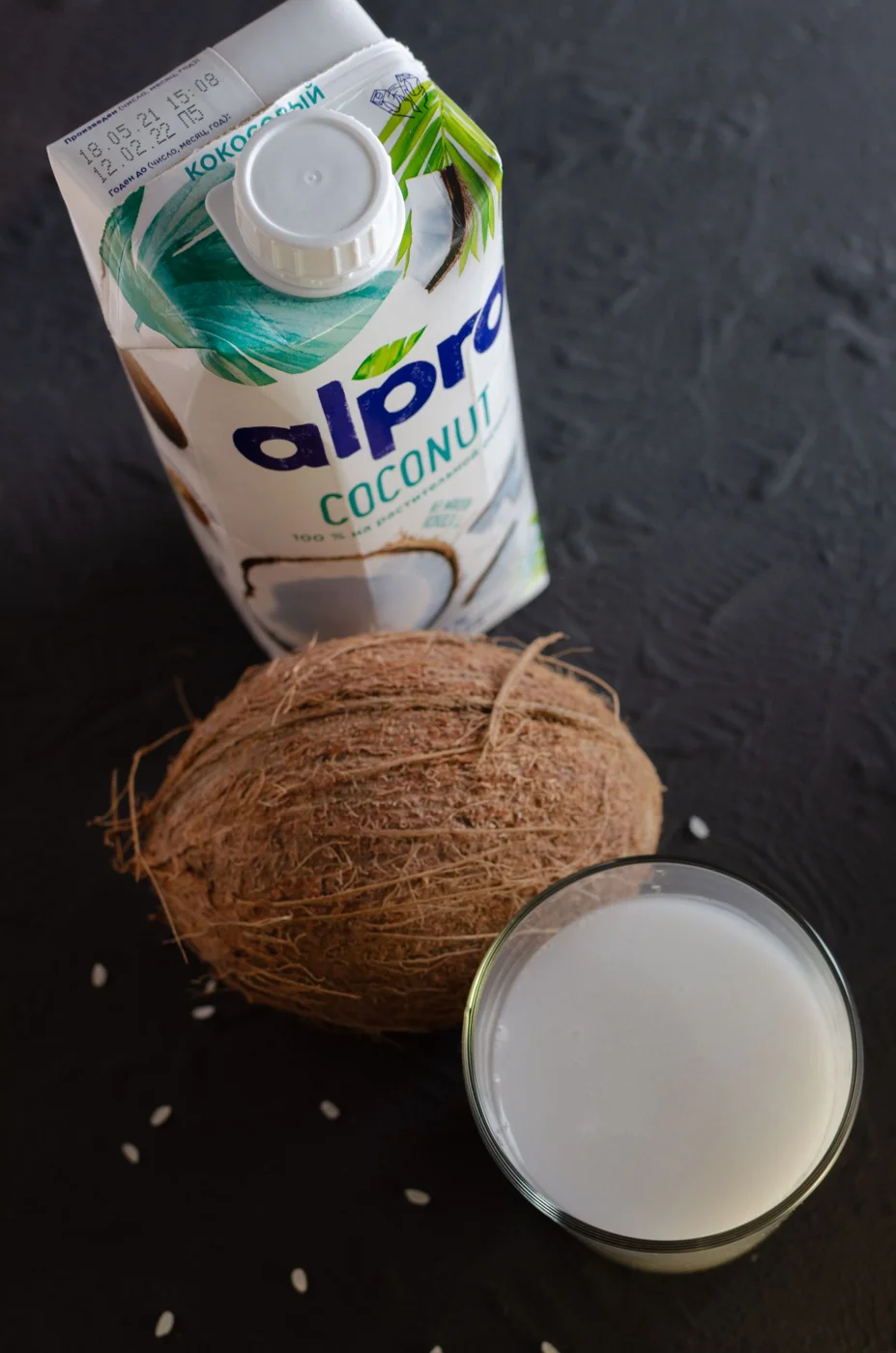
Two oat drinks can look almost identical from the front and differ substantially on the Nutrition Facts panel. The same is true of almond, soy and other plant-based beverages. If you are choosing one regularly, turn the carton around before treating the category name as a complete description.
The FDA recommends comparing nutrients including protein, calcium, vitamin D and potassium, as well as saturated fat and added sugars. Fortification and formulation vary. A splash used in coffee and a beverage that regularly replaces a major source of nutrients in meals are different decisions.
Start with the job the drink will do. For cereal, you may care about taste, texture and the nutrients it contributes to that breakfast. For a recipe, you may need an unsweetened flavor and a texture that behaves as expected. A barista-style product may be designed around foaming, which does not by itself answer the nutrition question.
Compare equal amounts
Check the serving size printed on each carton before comparing the numbers. If they differ, make the comparison using the same volume. You do not need a complicated spreadsheet; two or three nutrients relevant to your choice can be enough to distinguish products you otherwise like equally.
Read the ingredient and allergen information separately from the nutrition panel. A favorable nutrient profile does not make a product suitable for someone allergic to one of its ingredients. Do not assume every plant-based beverage is free of the same allergens.
Consider storage and use after opening. Shelf-stable packaging does not necessarily mean the opened carton can stay on the counter. Follow the package's refrigeration and use instructions, and choose a size that fits your household's actual pace.
For a child, a person with special nutritional needs or someone replacing a large part of their usual diet, seek qualified dietary guidance rather than relying on a front-label comparison. Different beverages are not automatically nutritionally equivalent simply because they are poured from similar cartons.
Once you find a product that fits, keep the exact version in mind: sweetened and unsweetened, fortified and unfortified, or original and specialty versions may differ. Recheck the label when the package or formulation changes. The familiar brand name is a useful memory aid, but the current label is the more specific source of information.