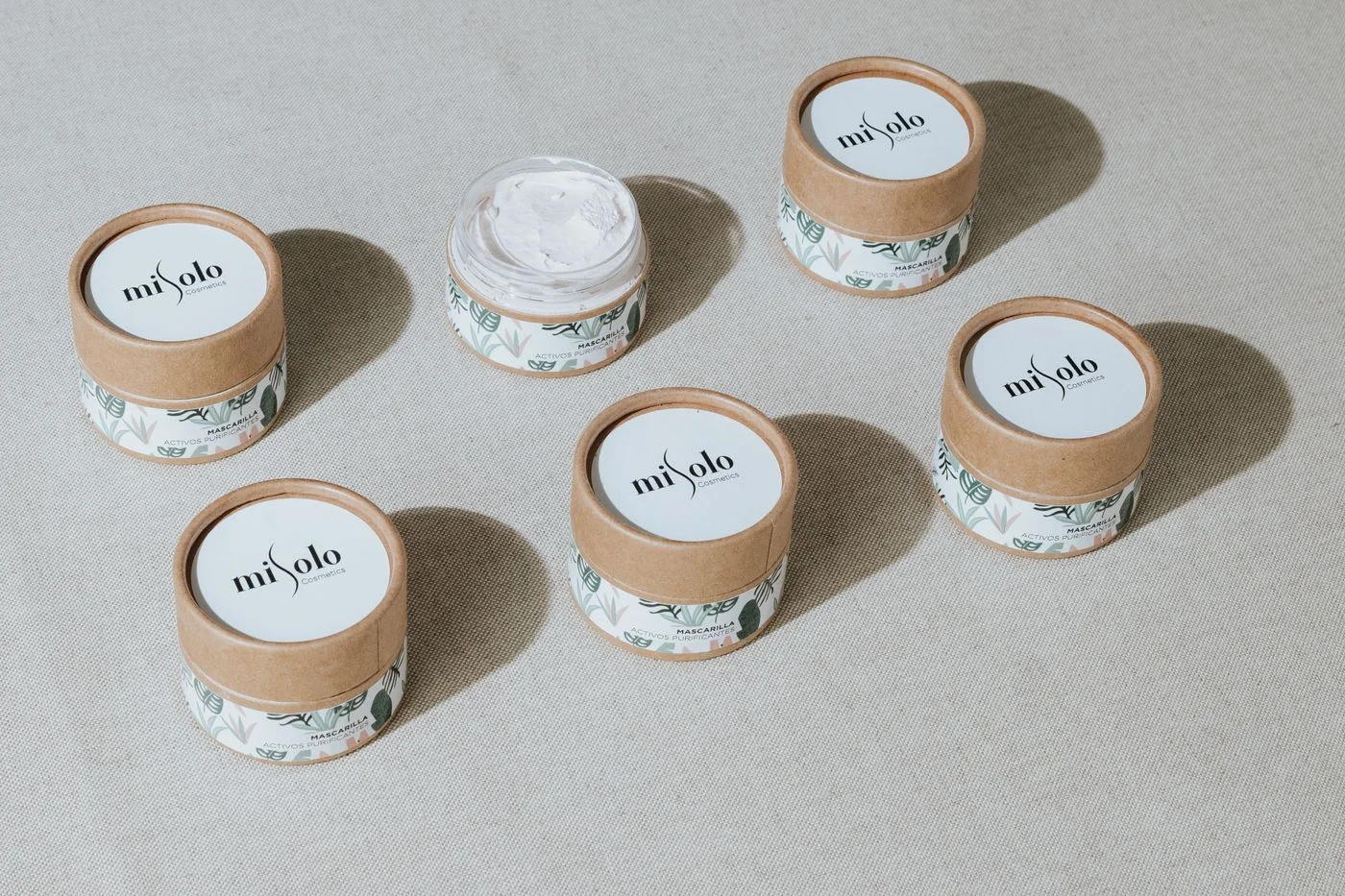
A product can have a pleasing texture and still be difficult to use because its cap requires a pinch you cannot comfortably manage. Packaging access is not an extra feature to consider only after everything else. It can determine whether the product becomes part of a routine at all.
Think through the whole sequence: finding the container, identifying it, opening it, dispensing the amount, applying the product and closing it again. Different steps may present different difficulties. A pump might remove the need to unscrew a lid but require more downward force than you want to use.
Make the test specific
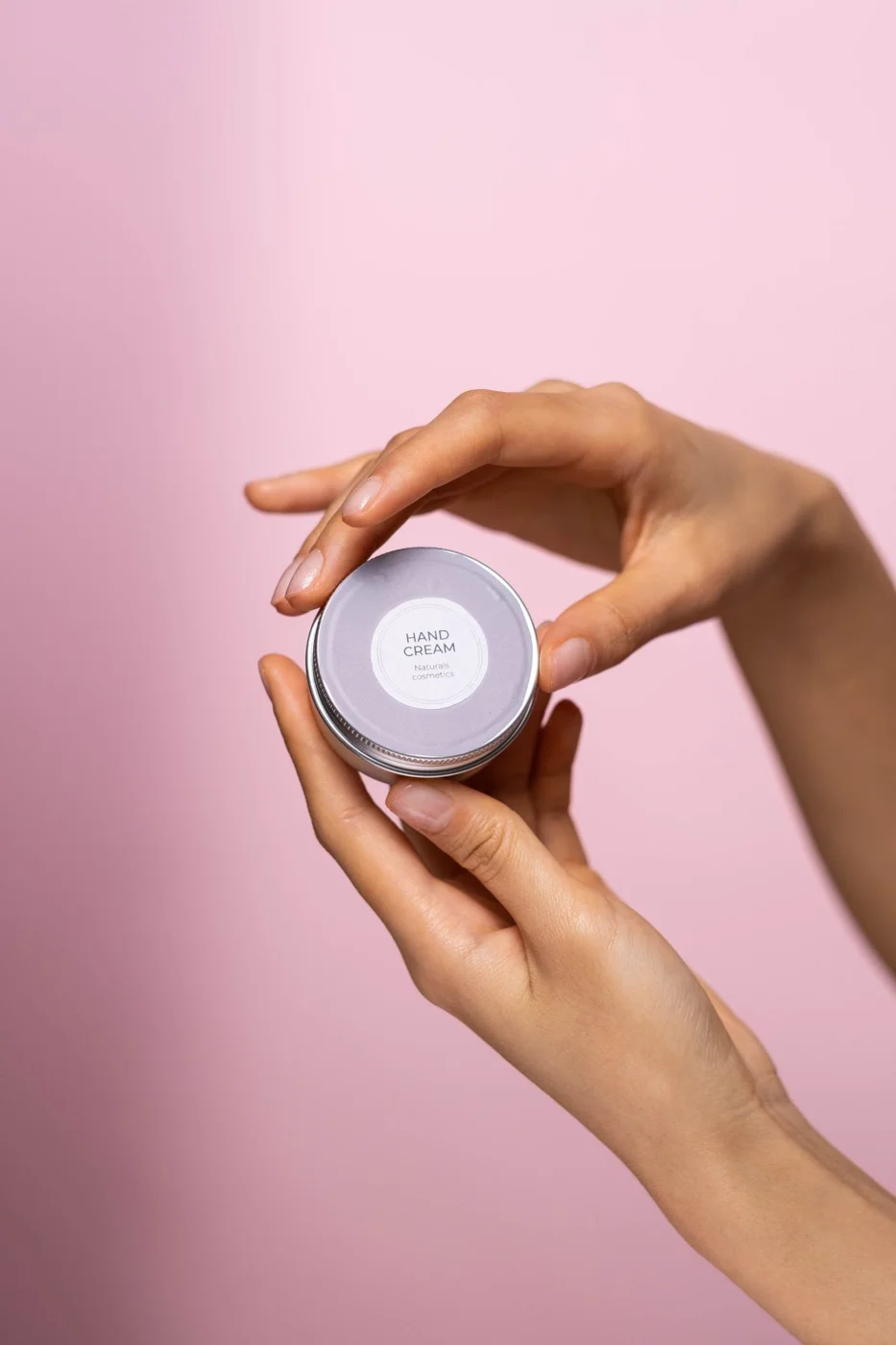
If a store has a suitable display package, ask to handle it. Try the movement you would use at home rather than accepting a demonstration from someone else as the answer. Check whether you need one hand or two, whether the bottle slides and whether the cap is easy to find after it is removed. The sealed retail product may also have an initial opening step that the display does not show.
For online purchases, look for dimensions and photographs of the opening mechanism. Ask about the cap, locking collar and dispensing force if those details are important. Customer service may not have a formal accessibility assessment, but a concrete description can still help. Consider the return terms before choosing a package you cannot test.
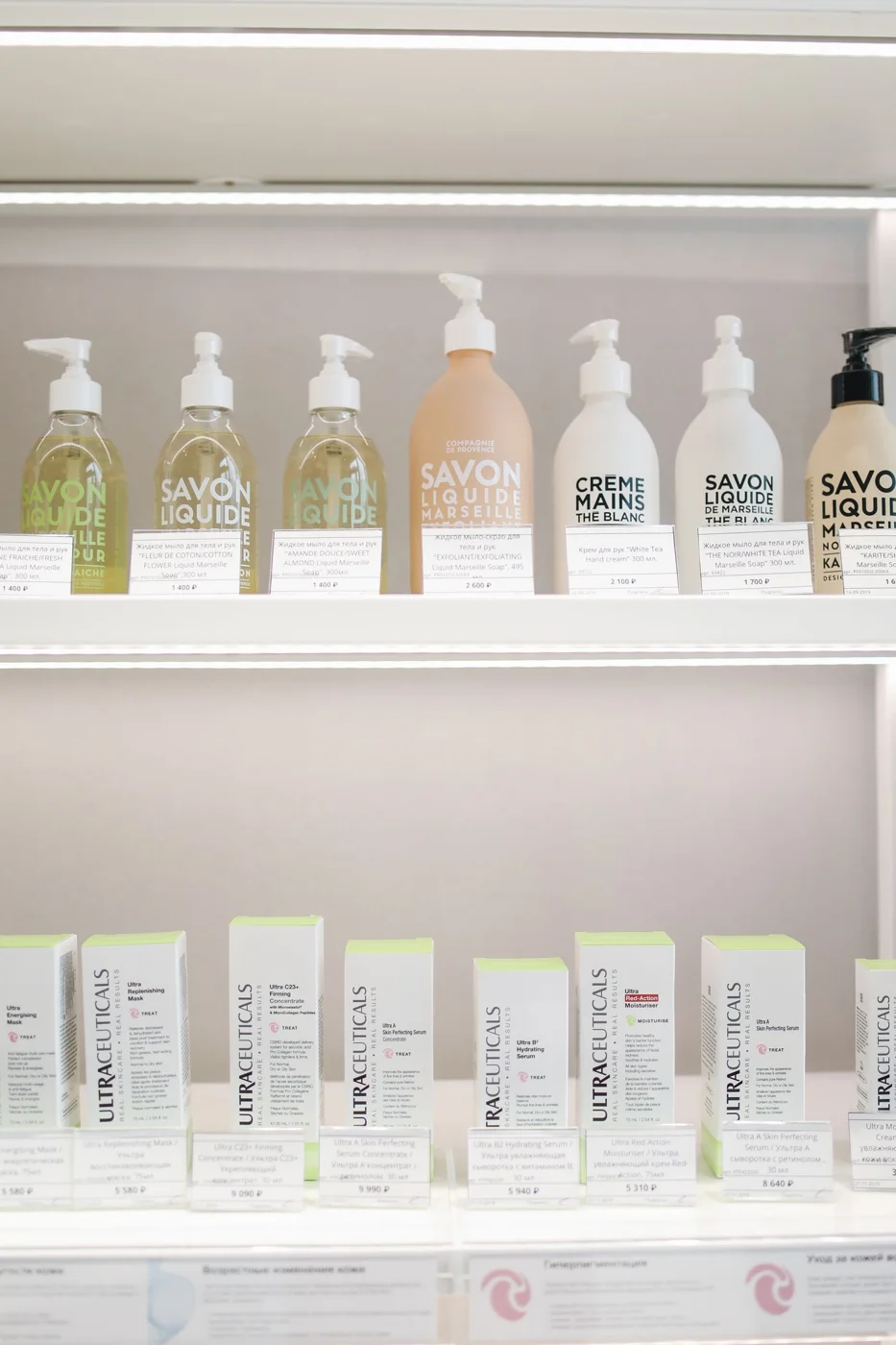
Readable information matters too. Look at the contrast and size of the product name, directions and shade label. Similar bottles can be hard to distinguish, especially on a crowded shelf. An external high-contrast label or tactile marker may help you identify your own items, provided it does not hide information you need or interfere with the closure.
Adjust the setup without guessing about the formula
Placing a bottle on a stable, reachable surface can make use easier. Keeping a lid beside a small tray may stop it rolling away. These changes preserve the original package and can be tried before replacing the product. Avoid transferring contents solely to solve an opening problem unless the manufacturer confirms that the alternative container is suitable.
Ask someone you are shopping for what works for their hands and space. Do not assume that one package is accessible to everyone or that assistance is always preferred. A gift or recommendation should respect that person's own way of doing the task.
Keep notes about successful packaging when you find it. 'Wide cap, easy to grip, label readable from the shelf' is a useful specification for the next purchase. It is as legitimate a preference as fragrance or finish, and it deserves the same attention.