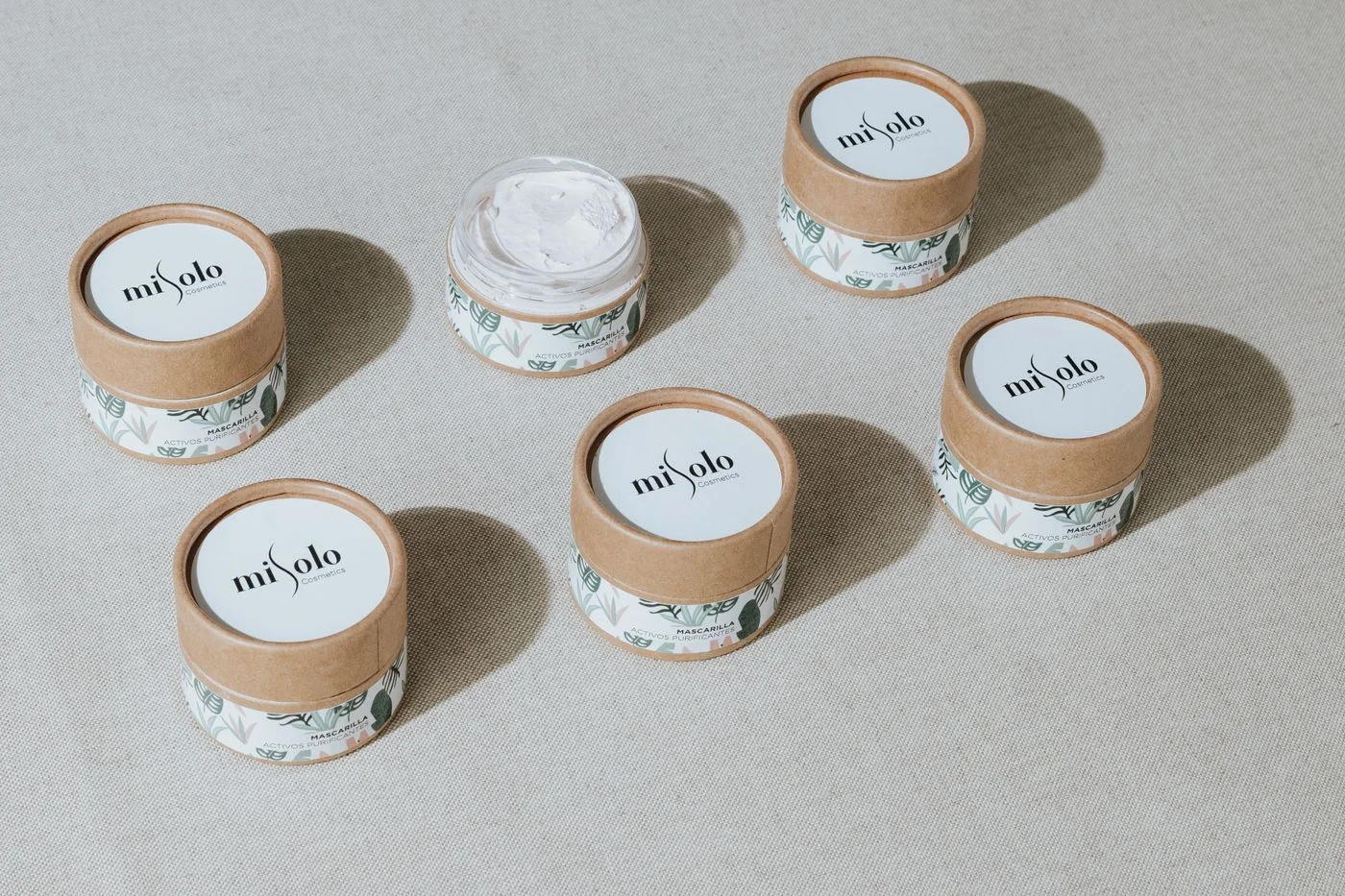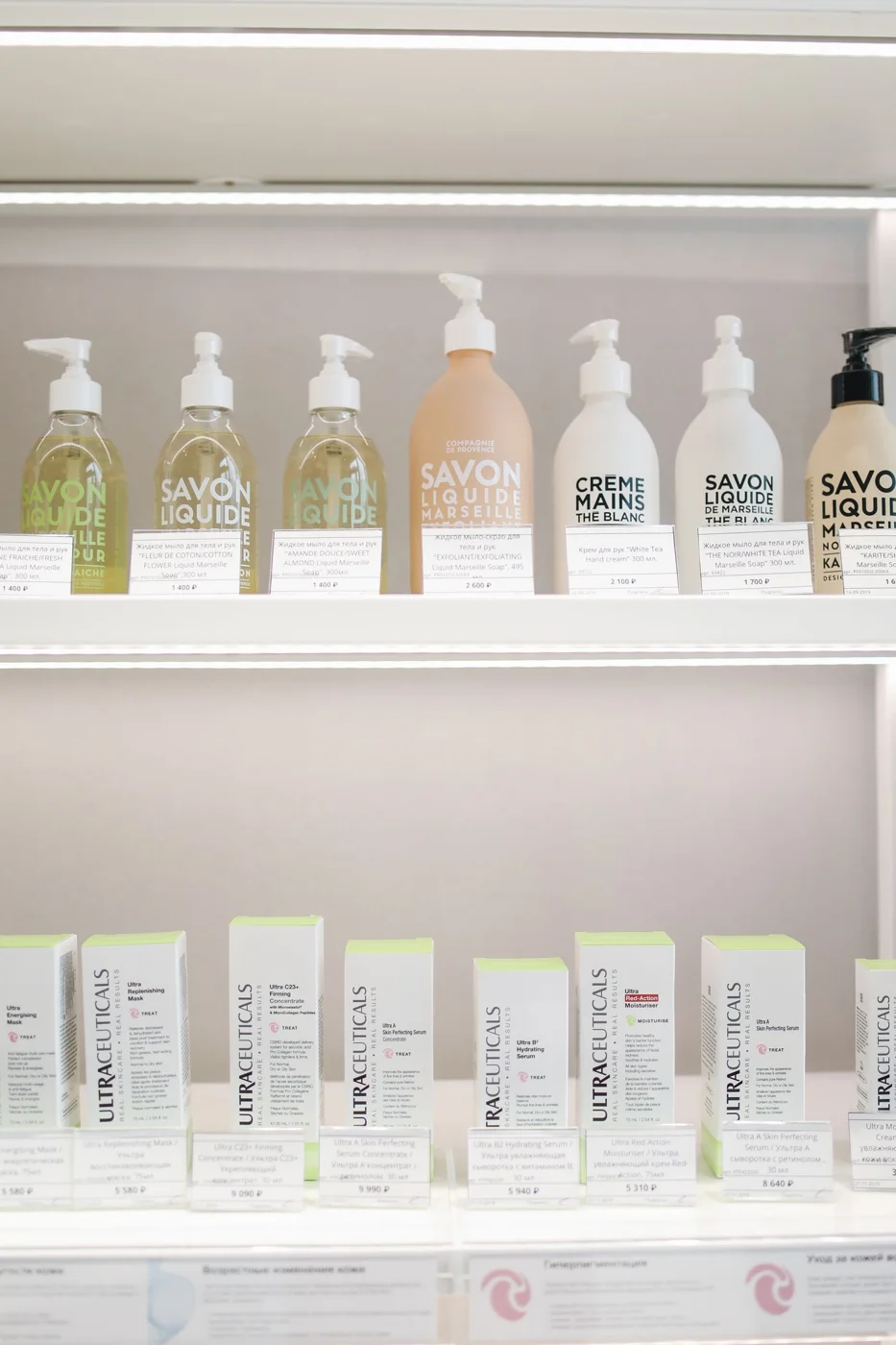
Before studying the discount, find the words that identify the seller. A large marketplace can host many businesses, and the seller may change when you select a different shade, quantity or delivery option. The familiar logo across the top of the page does not answer who is supplying that particular item.
Read the seller profile and the listing together. Look for a clear business identity, contact route and explanation of delivery and returns. Check whether the product is new, its size and version, and whether the photographs correspond to the written description. If a detail matters and is missing, ask rather than completing the description yourself.
Use the brand as a reference
The brand's own website can help you confirm current packaging, available sizes and recognized retail channels. If the brand maintains an authorized-retailer list, check it. Absence from a list may need clarification rather than an instant accusation, but a claimed authorization should be something the brand can confirm.
A price far below other sellers is a reason to investigate, not proof of a bargain or proof of a fake. The FTC advises researching unfamiliar retailers and reviewing the full terms of a sale. Compare the complete charge, delivery expectation and return arrangements before deciding that the lowest visible number is the best offer.
Read seller reviews for transaction details, keeping them separate from reviews of the formula. A customer can love the product but have received poor service, or dislike the texture despite an accurately fulfilled order. Repeated reports of missing seals, wrong items or unresponsive support deserve attention, although reviews alone cannot authenticate a cosmetic.
Save the listing and order confirmation. When the package arrives, compare the product name, size and condition with what you ordered. Follow any applicable manufacturer's guidance about seals and packaging. If something appears wrong, do not open or use it simply to see whether it feels familiar. Contact the seller or brand and document the concern while the information is available.
Appearance, scent and a batch-code website are not reliable substitutes for knowing the supply route. If you cannot resolve a significant doubt, choose a seller whose identity and terms are clearer. This is particularly useful for a product you put near your eyes or rely on for a labeled protective purpose. A modest price difference can be easier to accept than uncertainty about what arrived.