The spare cleanser may be in a travel bag rather than on the shelf. A hand cream might live beside the sofa, while the product you forgot buying is still inside a delivery box. An inventory starts by gathering the places where beauty products actually collect, not by photographing one tidy drawer.
Choose a manageable area so that the task does not become an all-day clear-out. Begin with the category you are about to shop for. Put its products where you can see their names and whether they are open. Do not mix their contents or remove labels to make the collection look more uniform.
Sort by function rather than brand. Two bottles with different marketing language may both serve as an ordinary cleanser in your routine. Three lip colors can be genuinely different, or they may be near duplicates you reach for on the same occasions. You do not have to justify keeping them; the point is to know what a new purchase would add.
Use three short notes
For each item, record what it is, roughly how much remains and whether you would choose it again. Add an opening date if you know it, or write that it is unknown. Follow the manufacturer's storage and replacement guidance. Do not invent a date to make the list feel complete, and do not assume that an unopened item can stay usable indefinitely.
Give practical problems their own line. A leaking cap, unreadable shade label or awkward dispenser may explain why an otherwise suitable product remains untouched. Sometimes replacing a worn accessory or moving the bottle to a reachable place is more useful than buying another formula.
Next, identify the gaps that matter now. A nearly finished daily product is different from an interesting category you have never tried. Keep a replacement list separate from a wish list so that browsing does not quietly convert curiosity into urgency. This also makes sales easier to assess later.
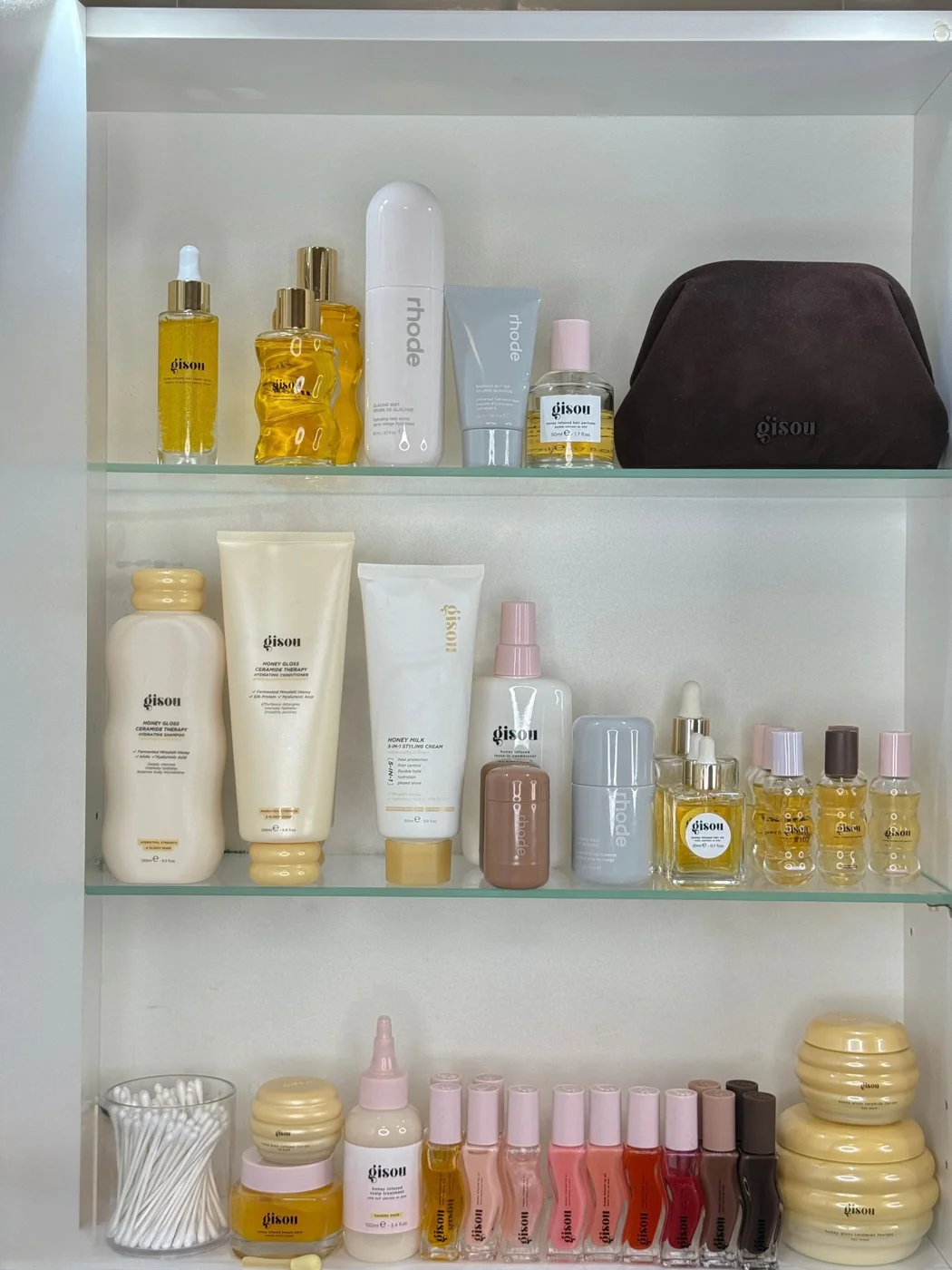
Take one reference photograph if it helps you remember quantities while shopping, but avoid turning inventory into another demanding tracking system. A note updated when you finish or open something may be enough. Store products according to their instructions, return daily items to accessible places and leave the list where you will see it before checkout. The useful outcome is fewer forgotten purchases, not a shelf that looks like a store display.