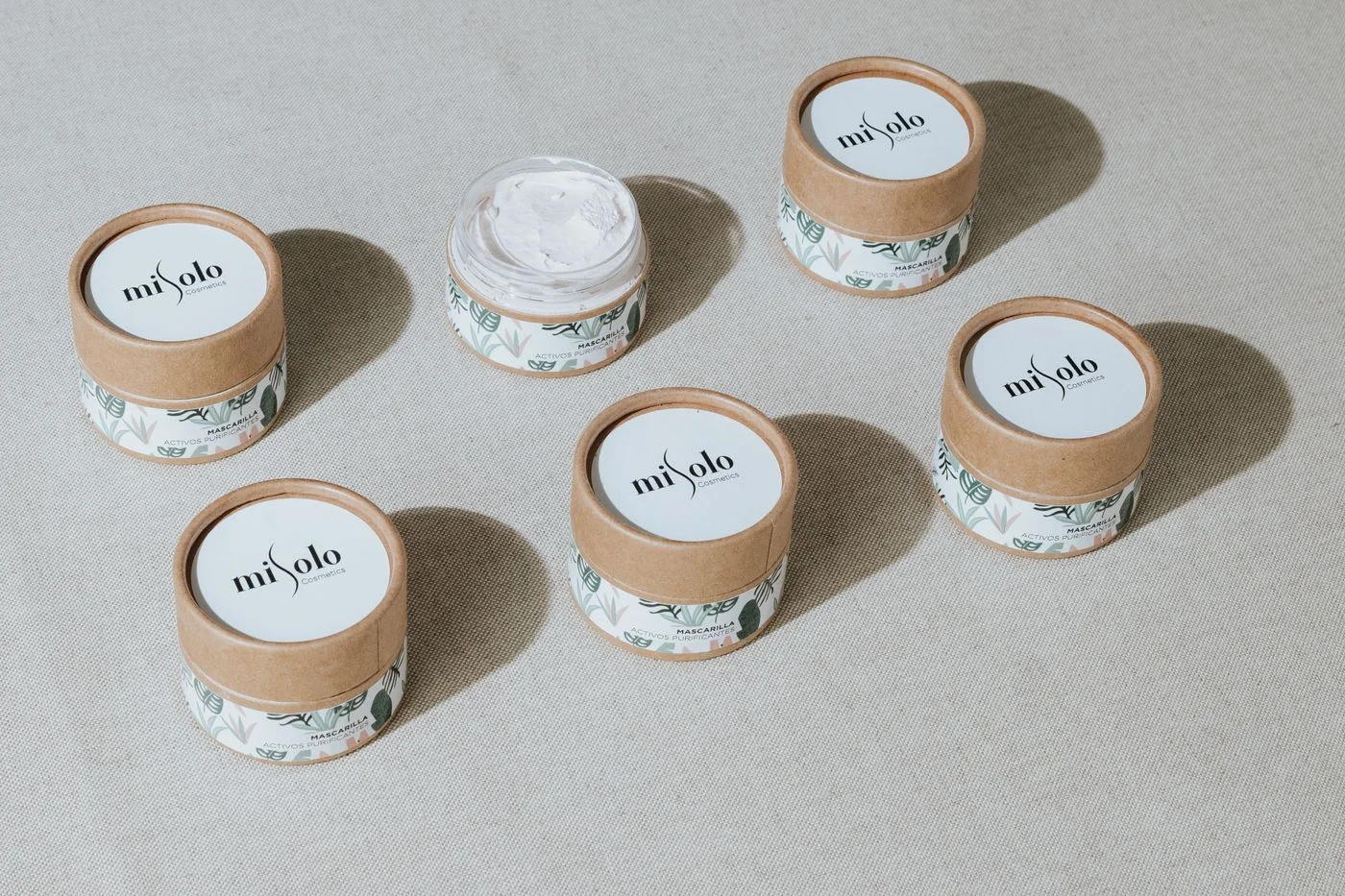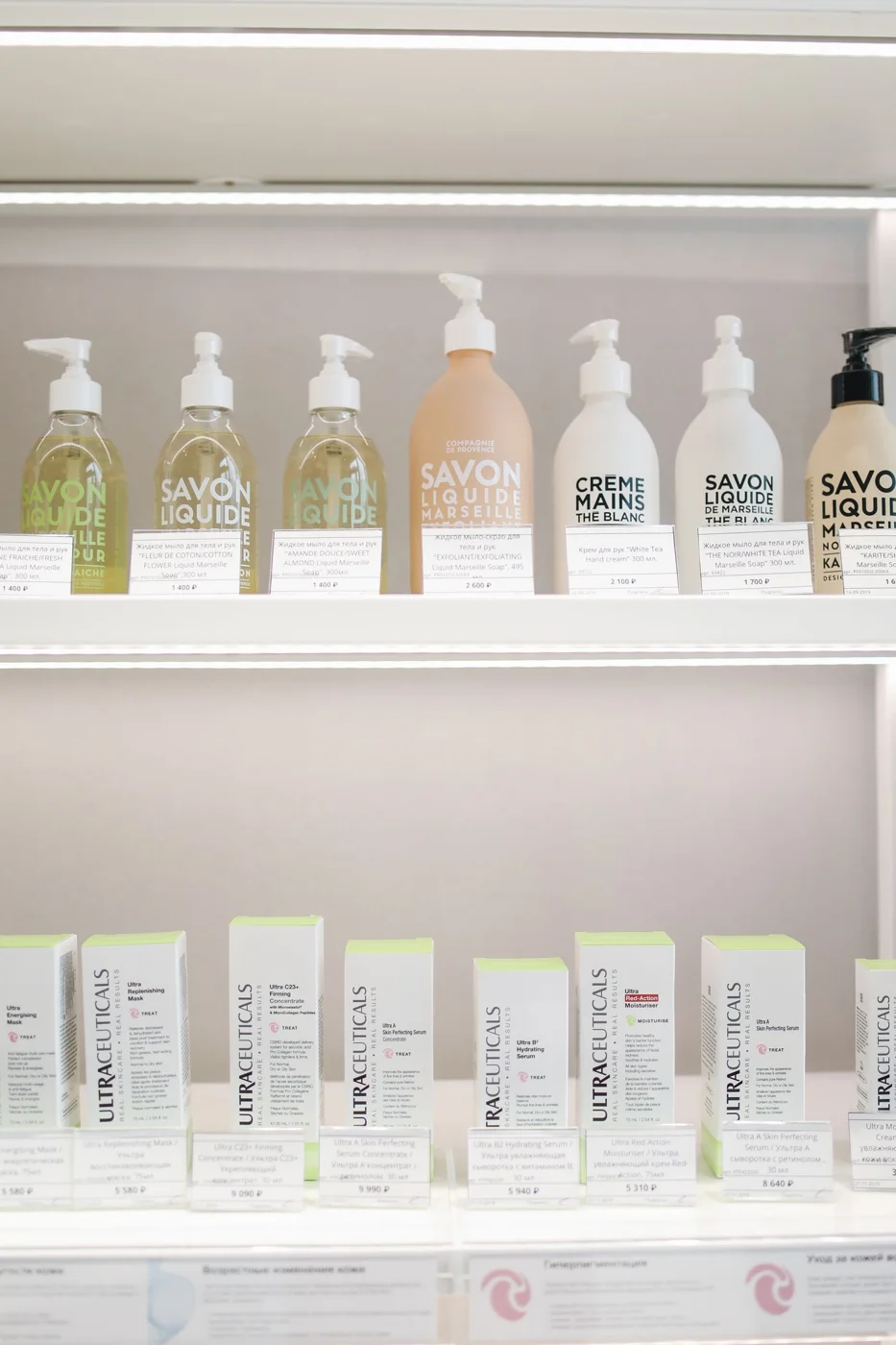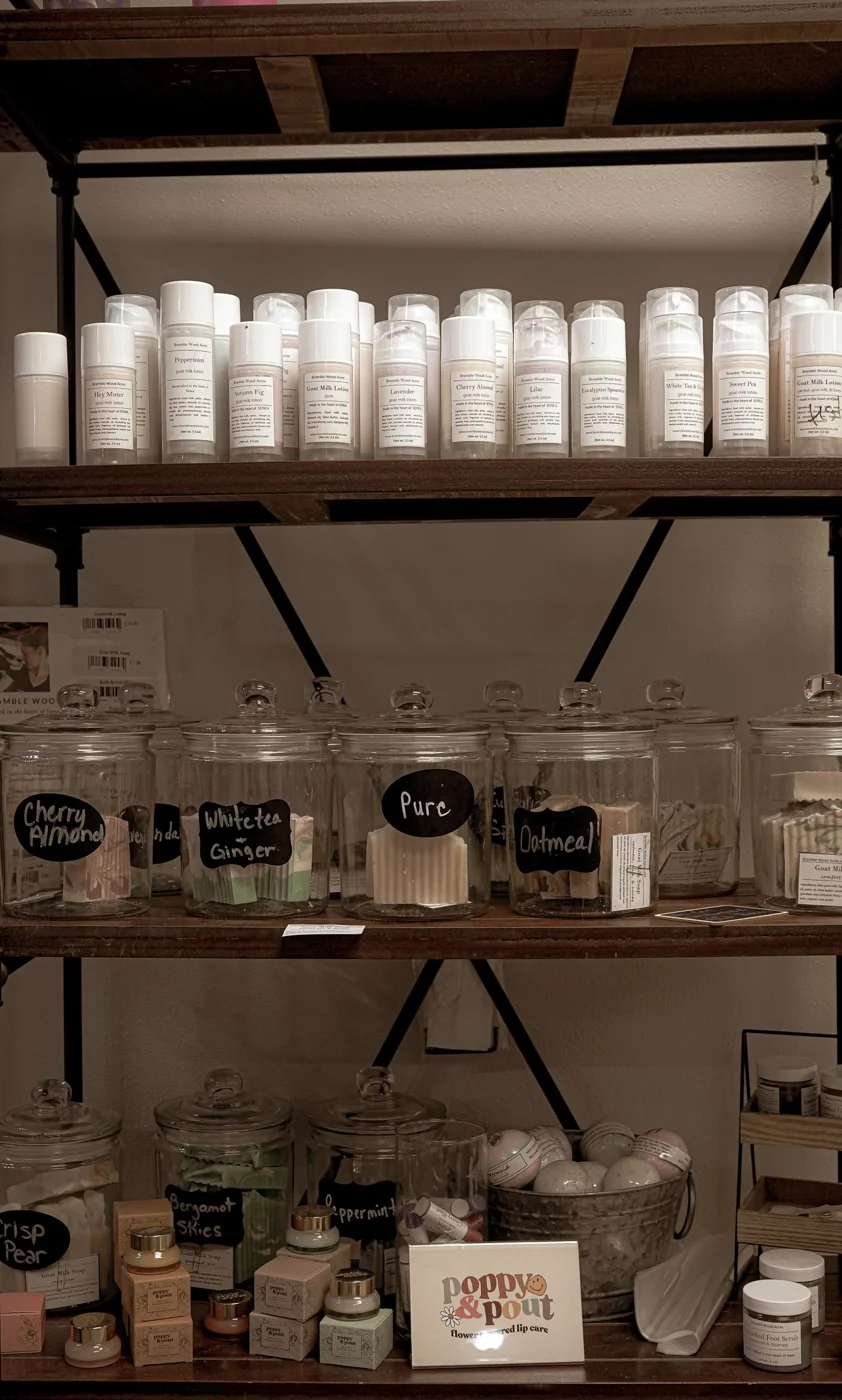
One spare bottle can be reassuring when you use the same cleanser every day and the nearest shop often runs out. Six spare bottles raise different questions: where they will live, when you will reach the last one and whether you will still want that formula by then.
Start with the time it takes you to finish the product you already own. If a bottle lasts several months, even a small stack represents a long commitment. Estimate the total period covered by the open bottle and the backups together. This is often more revealing than counting the number of containers.
Unopened does not mean indefinitely usable. The FDA explains that cosmetic shelf life depends on the product and its use and storage conditions. Follow dates and guidance supplied for the specific item, and contact the manufacturer when you cannot establish what applies. A discount does not resolve uncertainty about age or storage history.
Give each backup a reason
A spare can make sense for a regularly finished product with a predictable delivery delay. It makes less sense for a new formula, an occasional-use color or something you are keeping only because the price was low. A limited-edition label may create urgency, but it cannot tell you how much you will enjoy the product after the first container.
Store backups together where you can see them without opening them. Keep labels and boxes that contain information you need. Arrange older purchases so that you notice them first, while still respecting any specific date or storage requirement. Avoid a location chosen only because it hides the collection.
Before ordering, check other storage spots and recent purchases. A delivery awaiting unpacking is still a backup. So is the bottle in the suitcase that never returned to the bathroom. A short note listing unopened items can prevent accidental duplication without requiring a detailed spreadsheet.
If you already have more than you expect to use, pause replacement orders while you assess the situation. Do not use excessive amounts simply to justify buying them, and do not pass along a questionable product as a way to clear space. An unopened item may be suitable to return or give to someone who wants it when its condition, labeling and applicable terms allow.
Choose a backup limit that reflects your own usage and access to replacements. The limit can change. Its purpose is to keep a routine convenient while leaving room, money and attention for other things.