Breakfast is easier to assemble when the kitchen offers a few compatible choices. That does not mean preparing identical jars for the entire week. It means knowing which ordinary foods can come together quickly when you are deciding what to eat.
Start with the morning you actually have. Some people want a warm meal at home; others need something portable or prefer to eat later. Your work schedule, appetite, culture and any individual dietary advice matter more than a photograph of a standard wellness breakfast.
Choose a starting ingredient
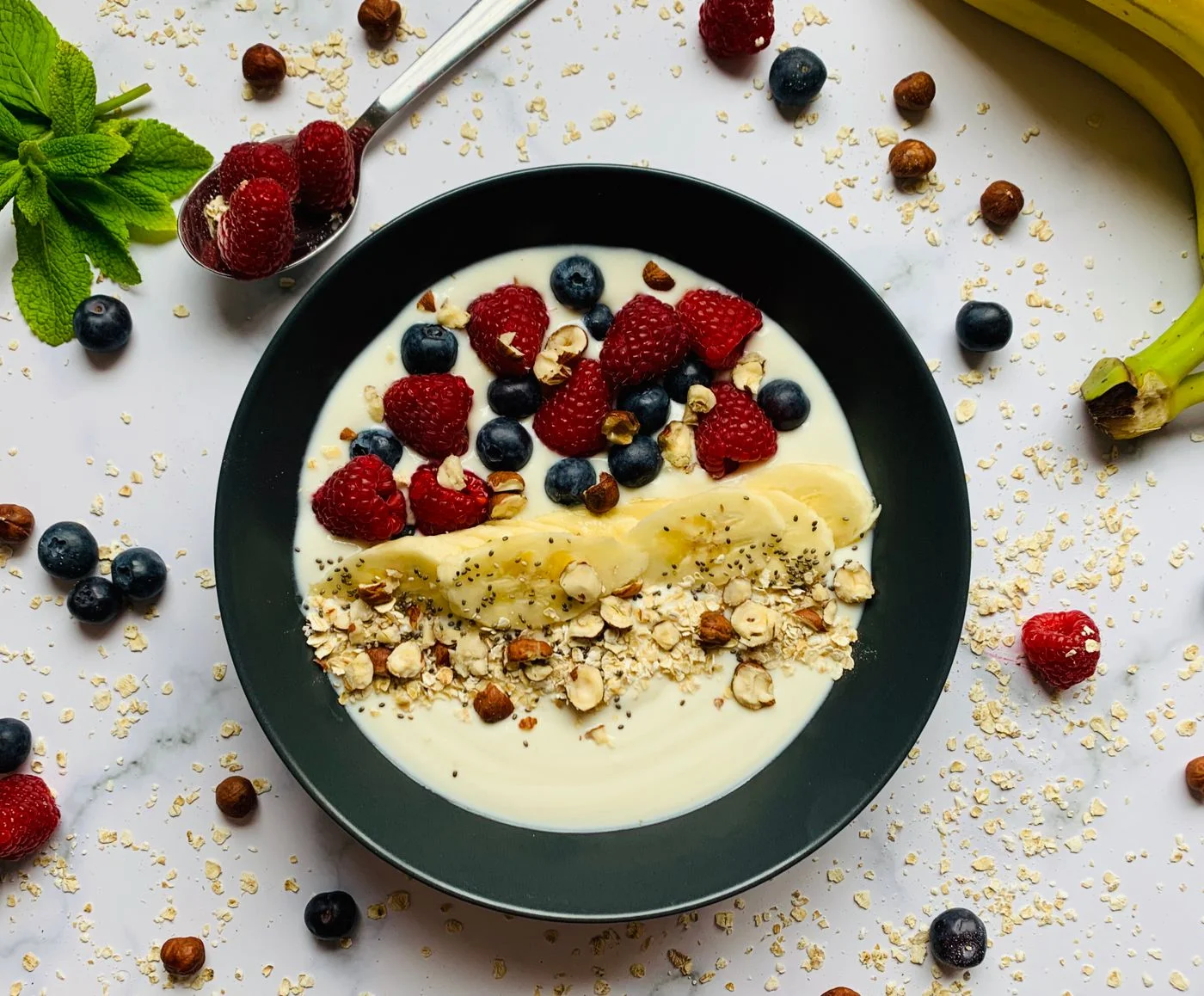
Oats, bread, yogurt, eggs or another familiar staple can provide the starting point. Then add what makes the meal enjoyable and suitable for you. A bowl of yogurt might take fruit and oats. Toast might be paired with an egg and tomatoes. Leftover cooked vegetables can become part of a savory breakfast when stored and reheated safely.
These are combinations, not nutritional prescriptions. Portions and dietary needs vary. If you have allergies or a condition affecting food choices, use ingredients and guidance appropriate to you rather than copying a general example.
Look for variety over the week without making every morning complicated. Two or three reliable combinations may be enough. Change the fruit, topping or bread when you want a different flavor instead of learning a completely new recipe before work.
Put the useful pieces together
Keep dry breakfast ingredients in one accessible area. Store perishable foods under their required conditions rather than leaving everything out in a decorative station. A spoon, bowl and suitable container can be prepared the evening before without bringing refrigerated ingredients to room temperature overnight.
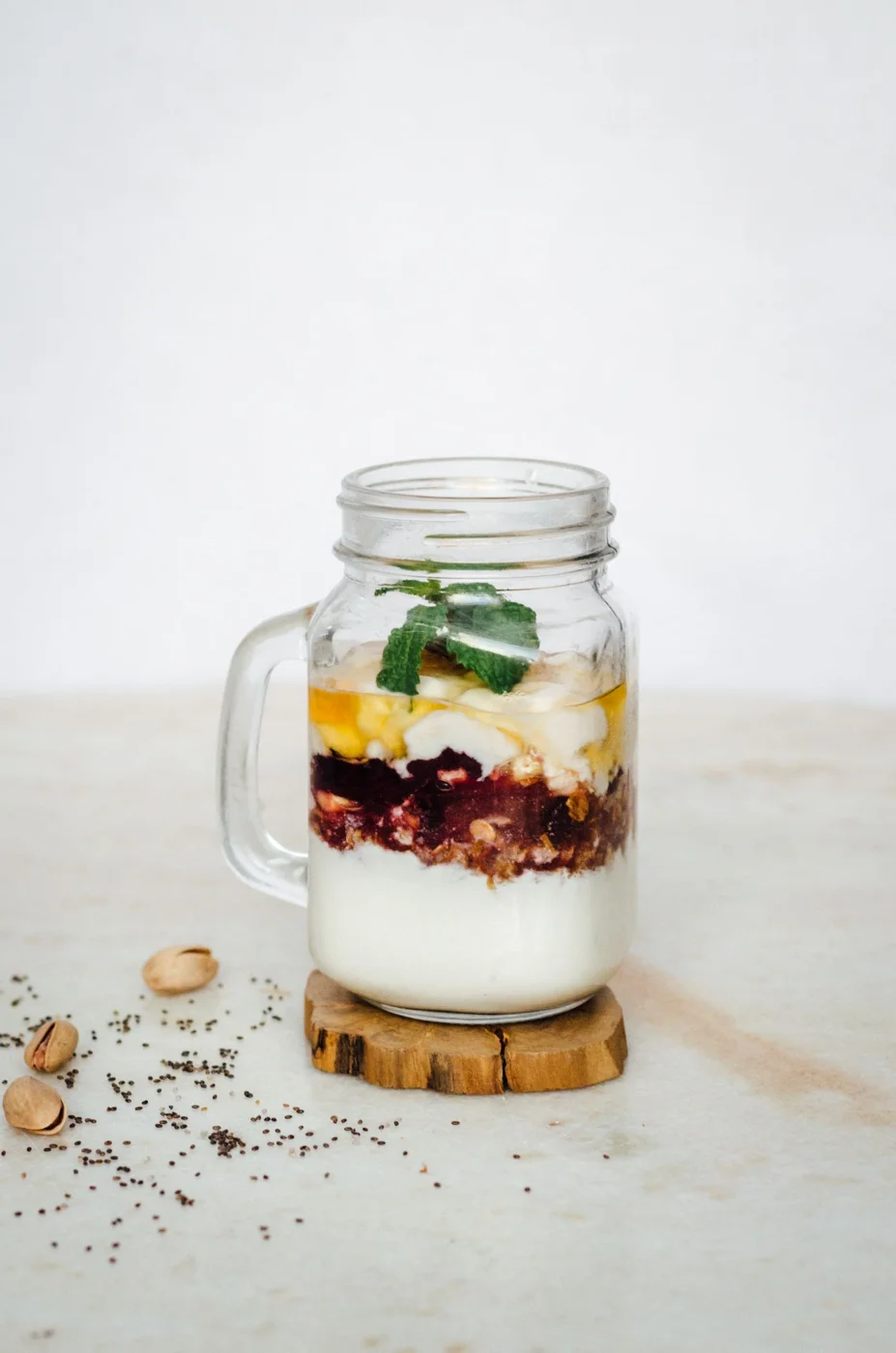
If you take breakfast away, choose a container that closes securely and keeps foods separated when texture matters. Pack perishable items cold and use appropriate cold storage during travel. A jar with a pretty lid is not automatically a safe transport plan.
Try buying a manageable quantity of a new ingredient. A large bag may be economical only if you enjoy and use it. There is no need to keep several fashionable toppings solely because they appear in breakfast photographs.
Adjust the part that repeatedly fails
If oats are always left unfinished, change the preparation or choose another food. If fruit is rarely washed in time, select an option whose preparation fits the morning. If the meal is too awkward to eat at work, simplify the container and utensils.
Notice whether the breakfast suits the gap until your next meal and how it fits your day. You do not need to assign moral value to choosing toast instead of a bowl or a savory meal instead of something sweet.
A useful breakfast arrangement leaves you with a few decisions you can make comfortably. It should make food available in the morning, not create a new set of ingredients you feel obliged to buy, prepare and photograph.