A can of beans can sit in the pantry for months because its possibilities feel too broad. Soup, salad, toast, stew: all are plausible, but none is a plan. Giving the can a specific job makes it easier to turn into dinner.
Start with the type of bean and a meal you already like. Chickpeas hold their shape differently from soft white beans, while black beans may fit flavors already familiar in your kitchen. You do not need to treat them as interchangeable in every dish.
Choose the role
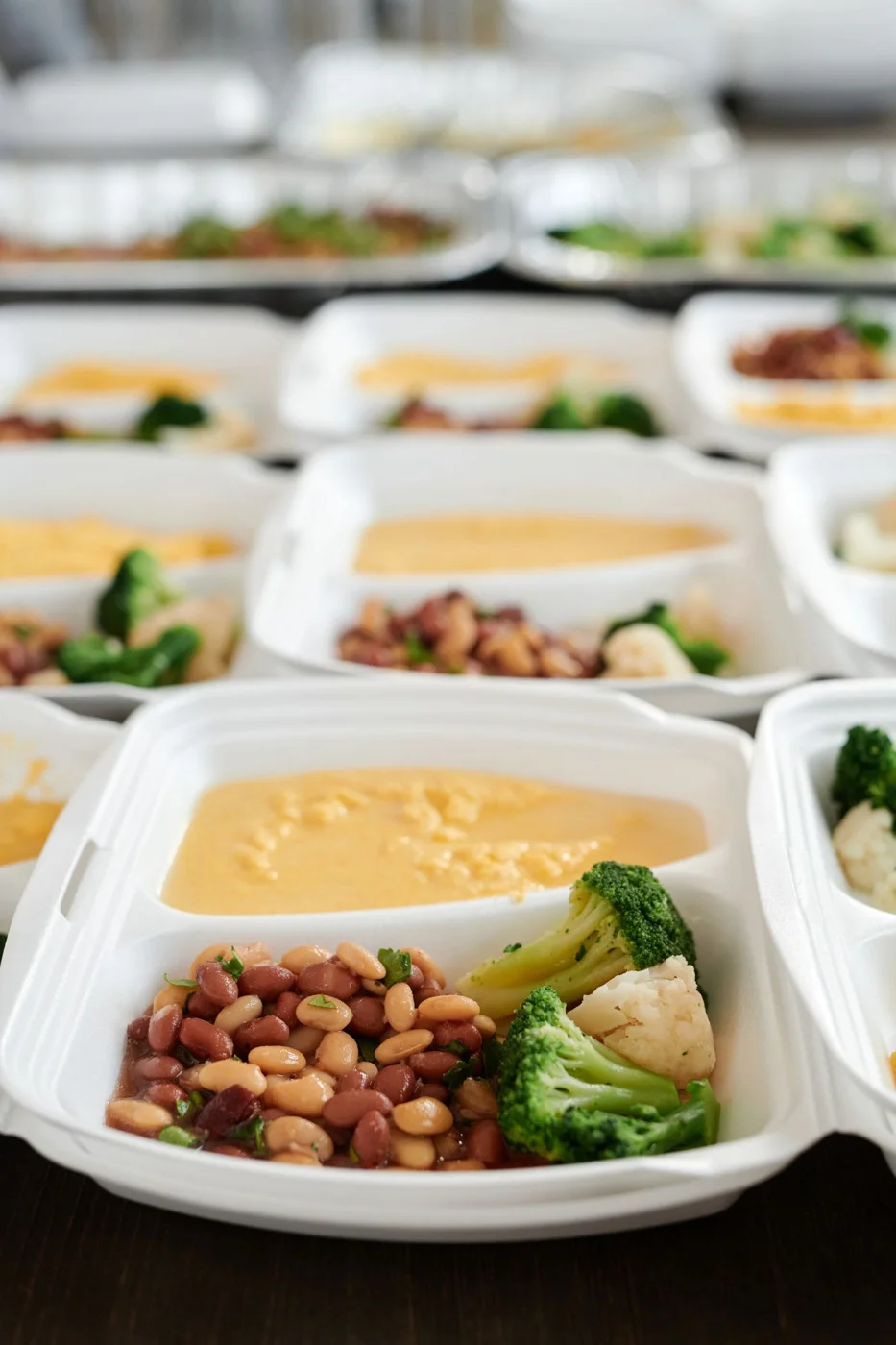
Beans can form the main base of a bowl, add substance to a soup or be mashed into a spread. For a quick meal, combine them with ingredients that are already ready or straightforward to cook. A familiar grain, cooked vegetables and an appropriate sauce can be enough.
If you want a crisp texture, follow a reliable method rather than assuming that draining a can and putting it briefly in a pan will create the result shown in a photograph. If you want a smooth spread, check the liquid and seasoning gradually so it remains easy to adjust.
Read the label before opening. Some canned beans are plain, while others include sauces, sugar, salt or other ingredients that affect the dish. Check allergen information when relevant and inspect the can; do not use damaged, leaking or bulging cans.
Use the liquid deliberately
A recipe may call for drained beans, rinsed beans or some of the can's liquid. Follow that direction rather than applying one rule to every meal. FDA notes that rinsing sodium-containing canned foods can remove some sodium, but it does not give you an exact new value for the beans in your strainer.
For sodium comparisons, use the package information and choose a product that fits your needs. Do not assume that rinsing turns every canned product into a sodium-free ingredient. If you have individualized dietary instructions, follow those.
Plan for the unused portion
Transfer leftovers to a suitable covered container, refrigerate promptly and follow product storage guidance. Label the opening date so the remaining beans have a clear next use. Half a can may work in tomorrow's soup or salad, but only if it has been handled and stored safely.
Write down one combination you enjoyed. Beans with roasted vegetables and a particular sauce is more useful for the next busy evening than a saved folder containing dozens of possibilities. Keep the ingredients for that combination available in sensible quantities.
Once one meal becomes familiar, add another with a different texture or flavor. A pantry staple becomes useful through repeated, ordinary cooking, not through having the longest list of potential recipes.