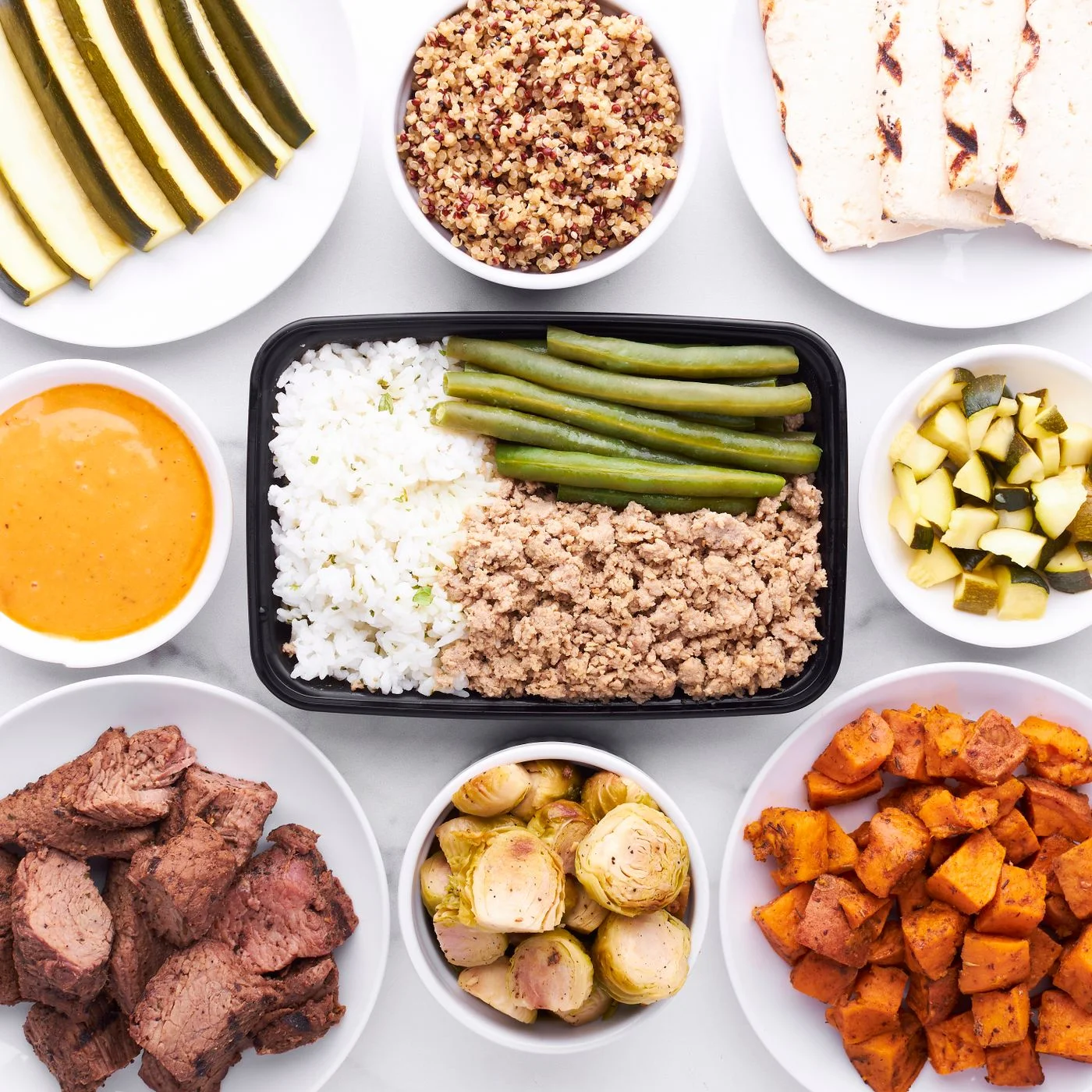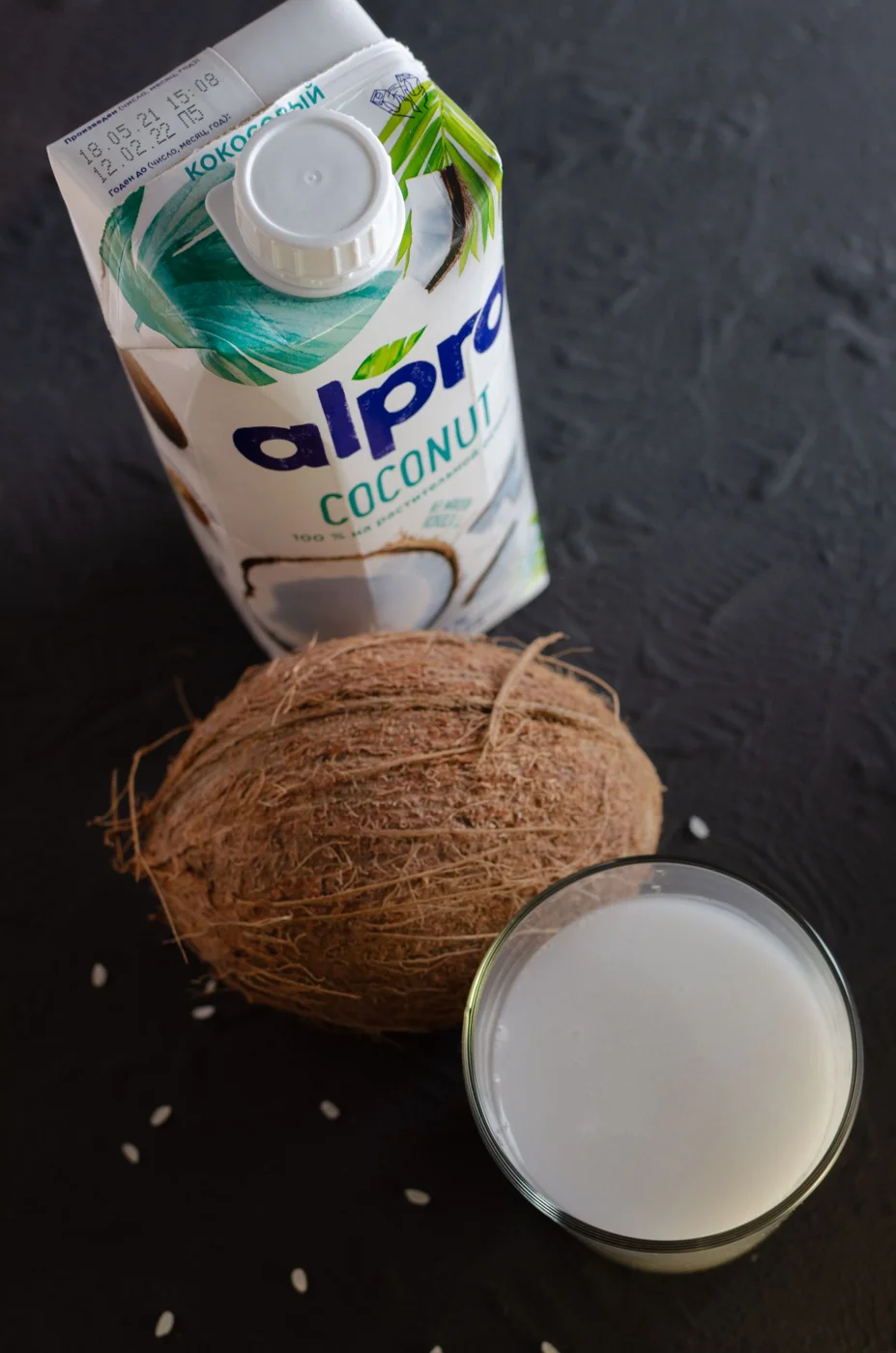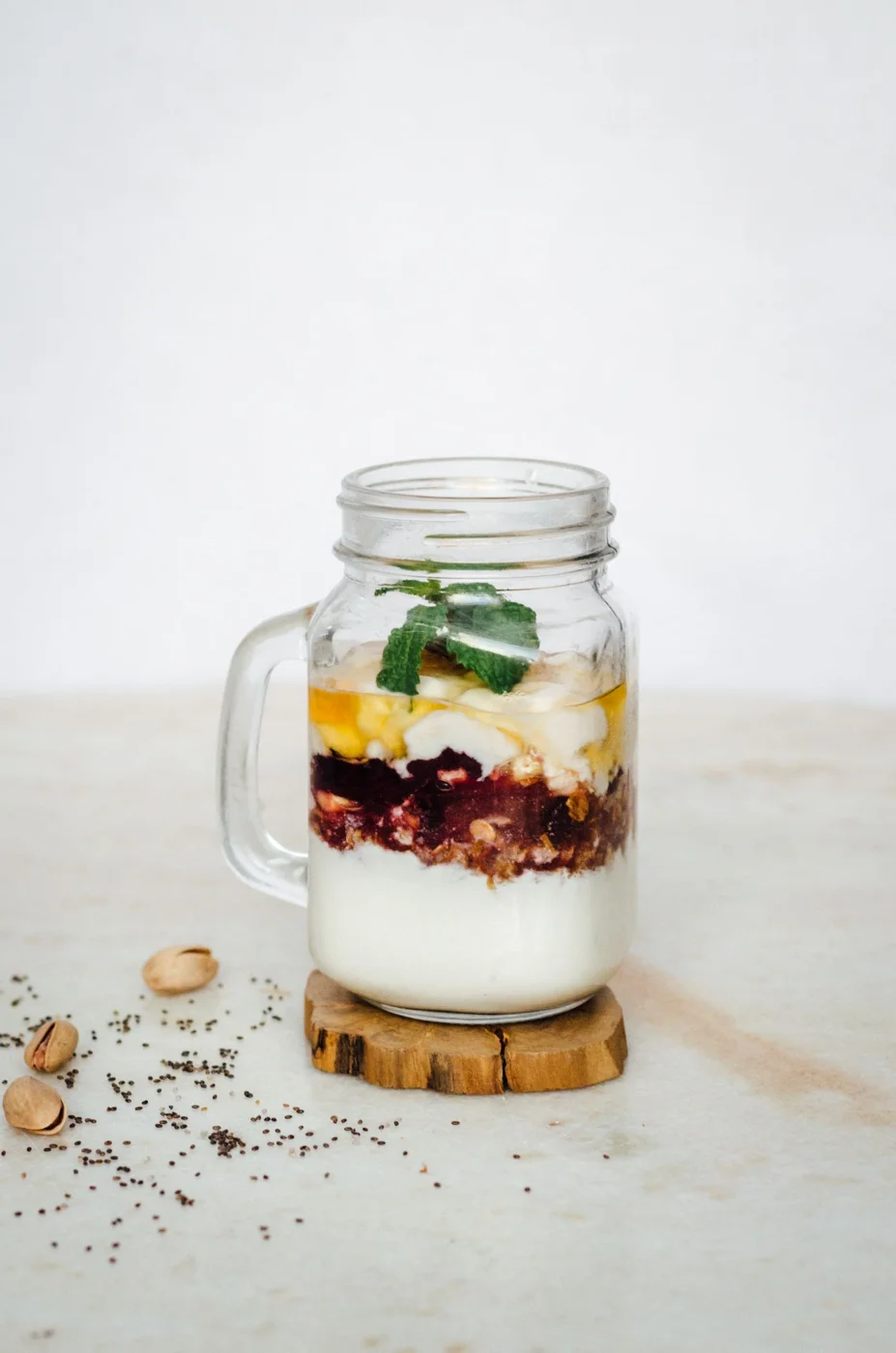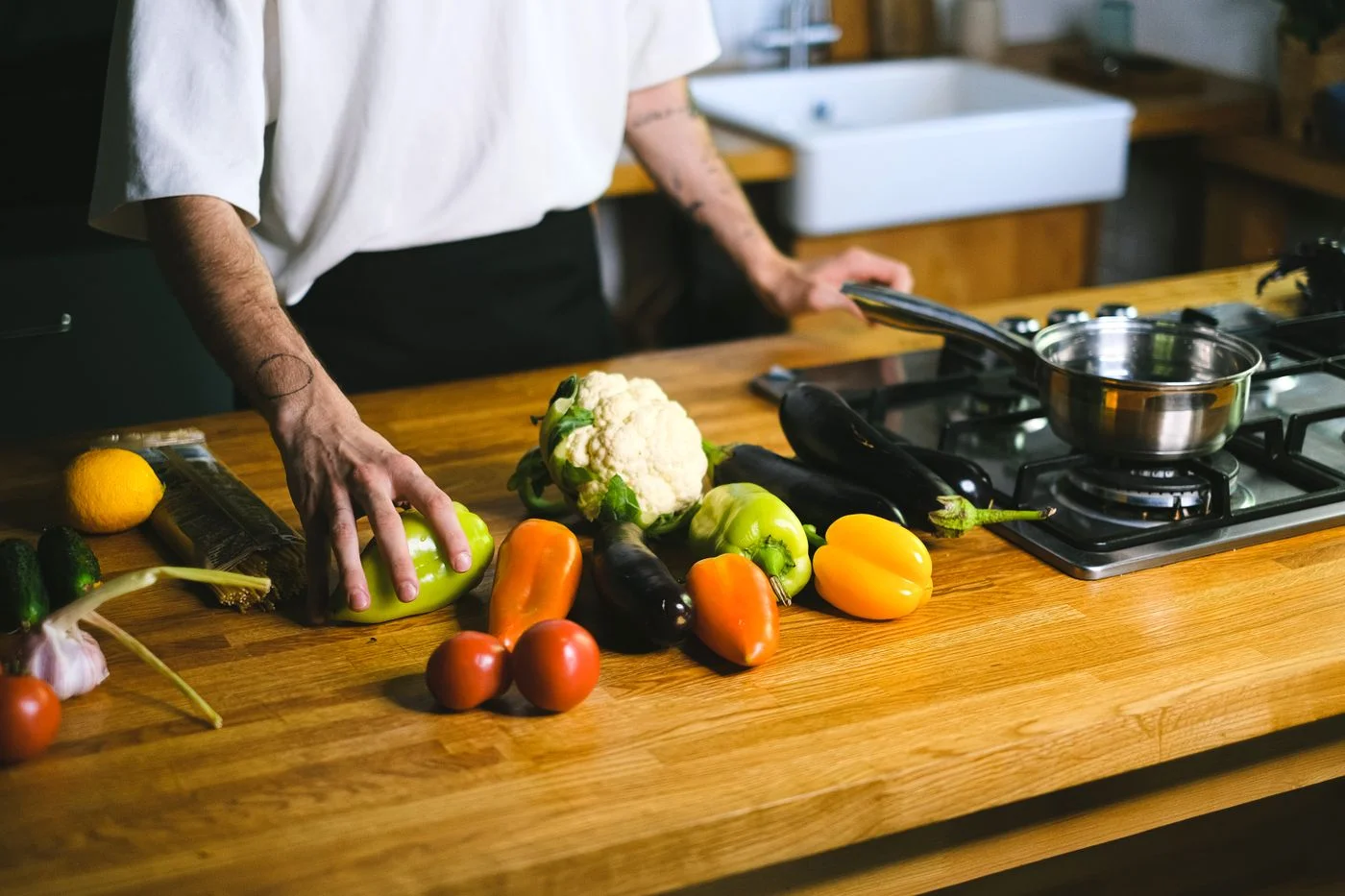
Cooking for one can create an odd choice between making a tiny recipe and eating the same finished dish for several days. There is another approach: prepare a few components that can be combined differently, while keeping portions and storage manageable.
Begin with two meals you actually want this week. Look for an ingredient they can share without becoming the same meal. A cooked grain might work in a bowl and alongside another dish; a vegetable might have one portion roasted and another prepared differently. Follow safe handling and storage guidance for each ingredient rather than assuming every component keeps equally well.
Separate the base from the final flavor
If you prepare a larger amount, consider leaving some of the finishing ingredients separate where appropriate. A sauce, dressing or crunchy topping can change the eating experience without requiring a completely new cooking session. This is about flexibility, not making every meal from interchangeable parts.
Choose recipes that can be scaled sensibly. Some methods depend on pan size, cooking time or ingredient ratios, so halving every number is not always enough. Use reliable recipe instructions and check doneness appropriately. A smaller portion still needs correct cooking.
Pack leftovers promptly into suitable portions. USDA guidance generally limits refrigerated leftovers to three to four days; freeze food you will not use within an appropriate period, following safe cooling and storage directions. A plan to eat something eventually is not a storage method.
Buy around actual uses
A large package may have a lower unit price but still be poor value if you cannot use or store it appropriately. Compare smaller packages, suitable frozen options and ingredients sold in quantities that fit your meals. You are buying food to eat, not merely the lowest price printed beside a weight.
Give yourself permission to repeat a meal you genuinely enjoy. Variety is useful when it prevents boredom, not when it forces you to invent seven different dinners every week. One planned repeat can make the rest of the week easier.
Keep a fallback that requires little preparation for the evening when cooking no longer appeals. That prevents the entire plan from depending on perfect motivation. After the week, note which components were useful and which became leftovers you kept avoiding. The next plan can be smaller and more accurate, rather than more ambitious.