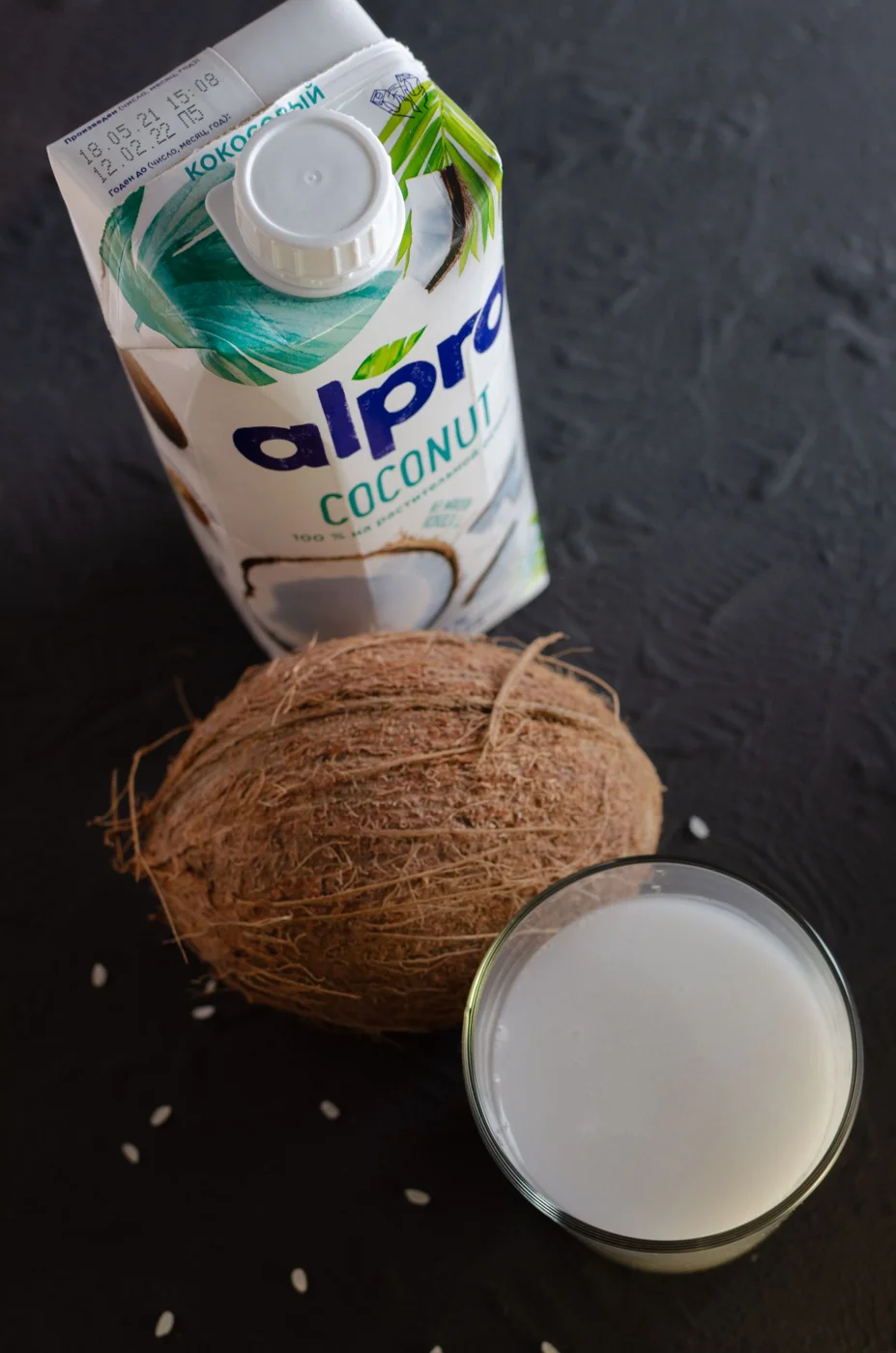
A familiar package can encourage a quick reach-and-go decision. For someone managing a food allergy, that familiarity should not replace reading the current label. Recipes, suppliers and packaging can change, and products with similar names may not have identical ingredients.
Look at the ingredient list and allergen statements on the exact item you are buying. The FDA identifies nine major food allergens for covered packaged-food labeling: milk, eggs, fish, crustacean shellfish, tree nuts, peanuts, wheat, soybeans and sesame. Other foods can also cause allergies, so the major-allergen list is not a complete personal avoidance list.
Follow the advice and emergency plan supplied by your allergy-care clinician. A shopping article cannot determine whether a product is suitable for your specific allergy or how you should respond to an exposure.
Separate a nutrition claim from an allergy decision
A front label may emphasize protein, plant ingredients or a particular dietary preference. Those claims answer different questions from whether an allergen is present or whether cross-contact is a concern. Do not let an attractive description replace the information you need for an allergy decision.
Read advisory wording such as “may contain” or shared-equipment statements carefully. The absence of a voluntary advisory statement is not a guarantee that cross-contact cannot occur. If the information is unclear, contact the manufacturer or choose another product rather than guessing. Do not taste a small amount to test whether a food is safe for an allergy.
When contacting a company, have the exact product name, package size and relevant identifying details available. A question about one product version is more useful than a broad question about whether an entire brand uses an ingredient. Keep the response with enough detail to know which product it covered, and recheck when things change.
Keep the information attached at home
If food moves into a storage container, retain the label or record the ingredients and allergen information accurately. A neat unmarked jar may be convenient for one person and confusing for another. Shared kitchens need a clear way to distinguish foods and avoid mixing utensils or crumbs between them.
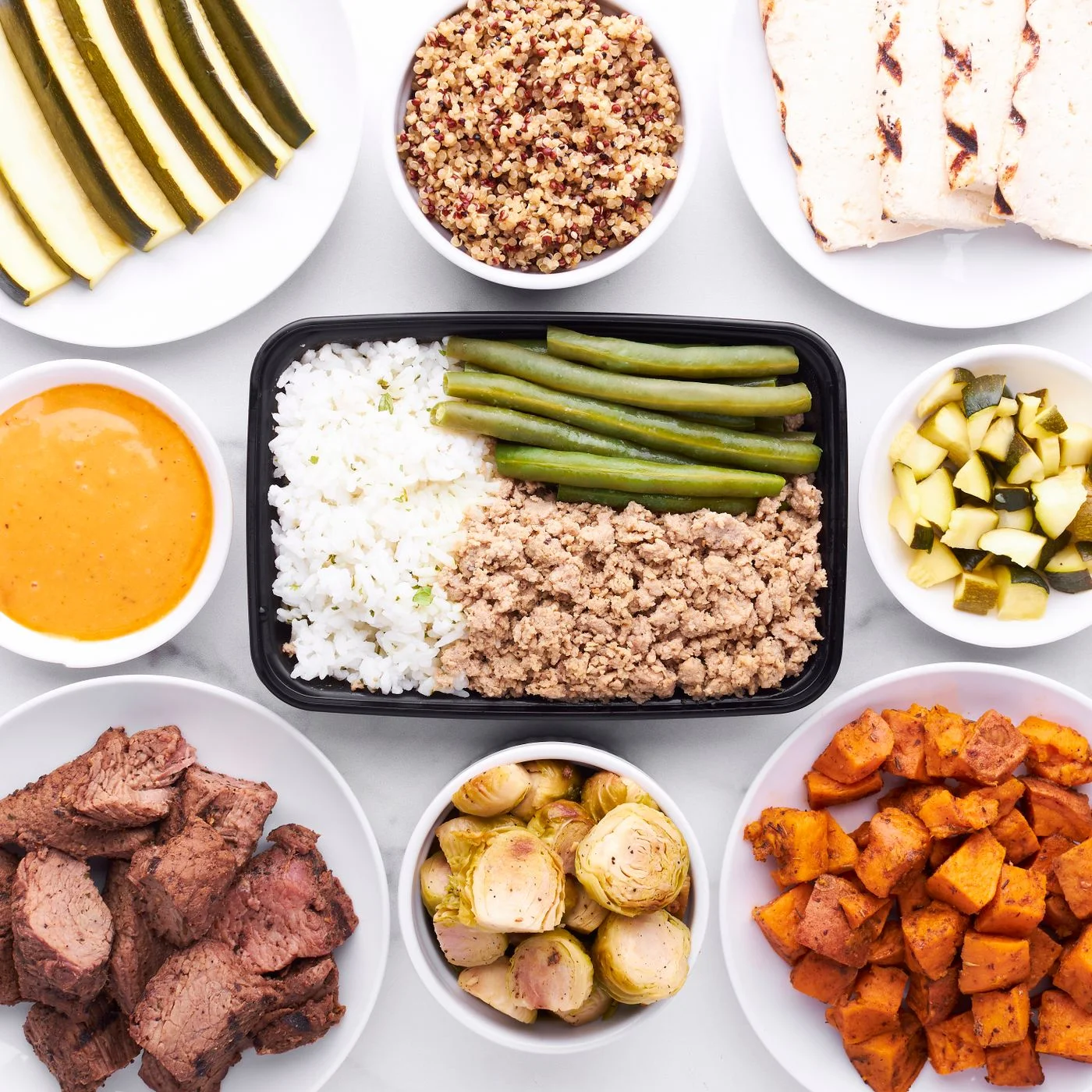
For food prepared by someone else, ask about ingredients and handling rather than relying only on a menu name or a photograph. A dish that appears familiar can contain an unexpected ingredient. If staff or a host cannot provide the information you need, uncertainty remains; a reassuring tone does not resolve it.
The habit is deliberately specific: read the current product, ask a precise question when necessary and keep the identifying information available. It is a better basis for a decision than memory, a brand reputation or a list copied from an old shopping trip.