A large frozen block of soup can be an awkward answer to a small lunch problem. Before filling a container, imagine the moment when you will take it out. Will you need one bowl, dinner for two or a larger meal? That future use is a better guide to portion size than the empty container nearest the sink.
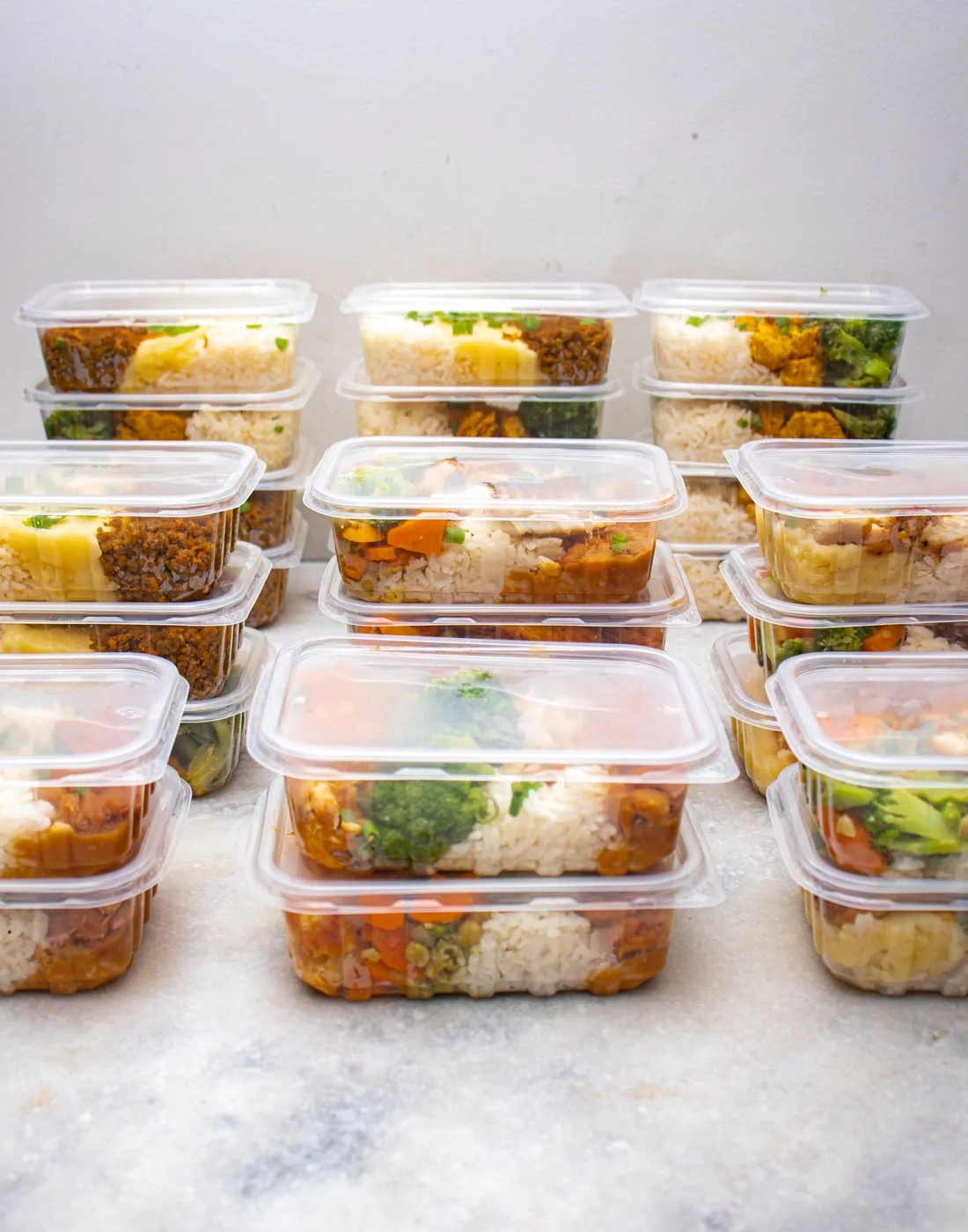
Choose containers suitable for freezing and for the food they will hold. Follow their filling and handling instructions, including any space needed for expansion. Check that lids fit before adding food; a stack of mismatched boxes becomes much harder to sort once everything is full.
Food safety comes before freezer organization. USDA guidance calls for prompt refrigeration of perishable leftovers, generally within two hours, or one hour when the temperature is above 90°F. Divide large quantities into shallow containers for quicker cooling. Do not leave a pot out for hours while waiting for it to become convenient to pack.
Label for the meal, not the mystery
Write the food name and date on each portion. Add a short note if it needs something before serving, such as cooked rice or a separate topping. The label should tell a tired person what dinner can become without requiring them to decode a frosted container.
Keep portions with different purposes distinguishable. Two small lunch containers and one larger dinner container can all come from the same batch. You do not need identical portions merely because the food was cooked together.
Allow room to organize the freezer without packing items so tightly that you cannot see or retrieve them. Keep an inventory in a place you will actually check. A short list on the outside can prevent buying ingredients for a meal that is already waiting inside.
Include thawing in the plan
Use a safe thawing method. Refrigerator thawing is one option described by USDA; the counter is not. Reheat leftovers to 165°F, checking with a food thermometer. Follow any additional instructions for the specific food or appliance rather than guessing from how warm the container feels.
If you regularly need one serving, keep making single portions. If you often combine three small containers for a household meal, reconsider the packing size. The point is to remove work from a future day, not to produce a freezer that looks uniform.
After using a portion, erase it from the list and return the cleaned container to its proper place. That small closing step keeps the system useful for the next batch instead of allowing old labels and empty spaces to become another puzzle.