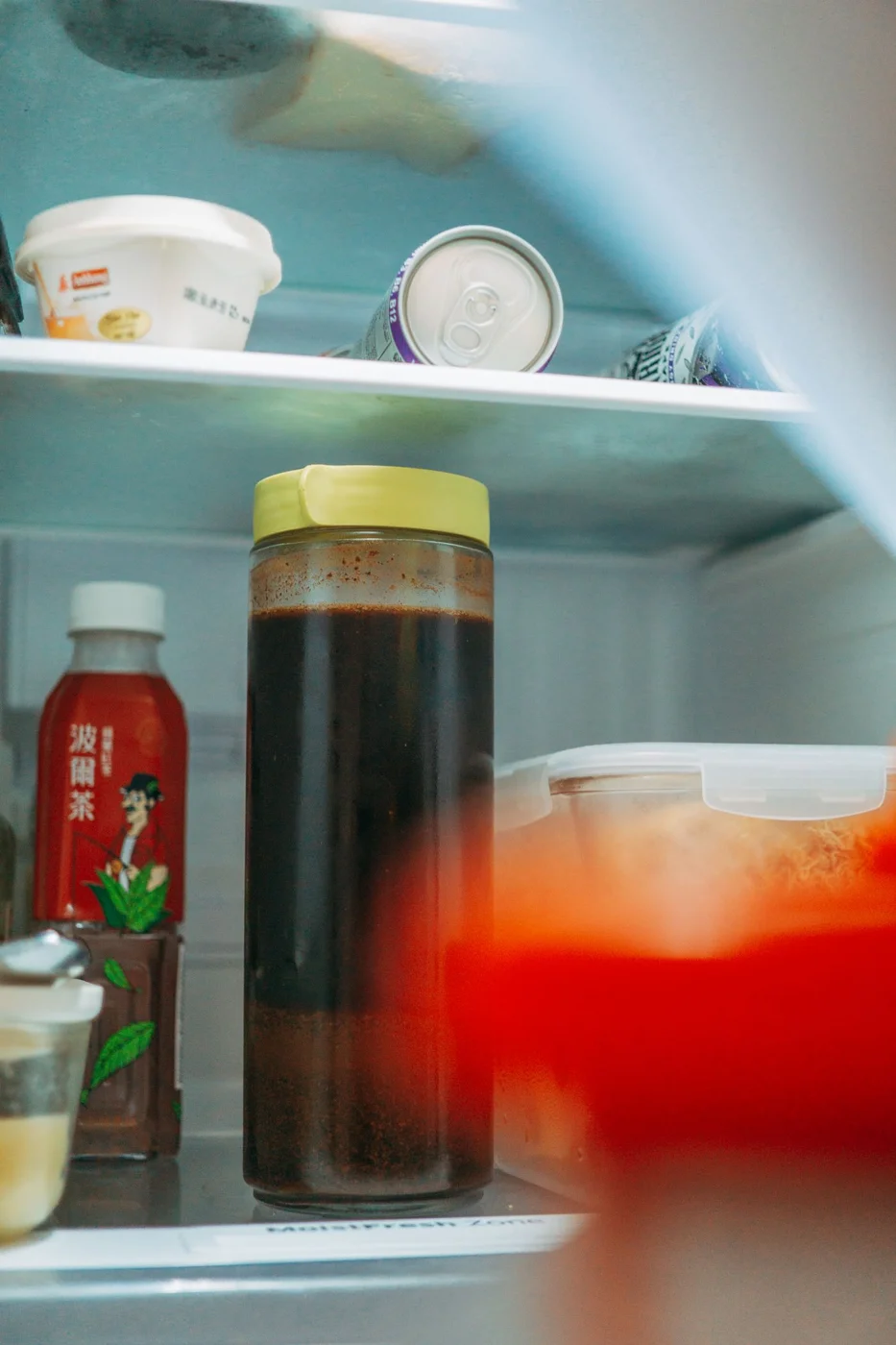
A refrigerator can look organized and still be warmer than intended. The control dial may show a number without telling you the actual temperature inside, and food that feels cool to the touch is not a dependable measurement. An appliance thermometer gives you information the appearance of the shelves cannot provide.
FDA recommends keeping the refrigerator at 40°F or below. Use a thermometer designed for that environment and follow its placement and reading instructions. If the refrigerator has a built-in display, understand what it reports and consult the appliance manual when readings seem inconsistent.
Let the measurement settle
Opening the door repeatedly while checking can affect the conditions you are trying to observe. Place the thermometer appropriately and allow the recommended time before reading it. If you change a control, give the appliance time to respond according to its instructions rather than moving the dial back and forth every few minutes.
Check whether food or containers are blocking internal vents. Leave room for cold air to circulate and avoid packing every shelf so tightly that nothing can move. A set of matching bins should not interfere with the refrigerator's operation.
Inspect the door seal and make sure the door closes fully. A tall bottle or poorly positioned drawer can prevent closure without being obvious. Clean and maintain seals according to the manufacturer's guidance, and seek repair for problems you cannot resolve safely.
Keep the cold chain ordinary
Put refrigerated groceries away promptly after shopping. Handle leftovers safely rather than leaving them on the counter until a large cleanup is finished. These habits matter even when the refrigerator itself is operating correctly.
Store raw foods that can leak in suitable sealed containers, positioned to prevent contamination of ready-to-eat foods. Keep the appliance organized enough to find items without holding the door open through a long search.
If a reading is too warm, do not assume turning the control colder immediately makes every item safe. Food safety depends on how warm the food became and for how long. Consult authoritative guidance for the situation and discard food when its safe history cannot be established. Never taste questionable food as a test.
Plan for an interruption
During a power outage or equipment failure, minimize door opening and follow current food-safety guidance. A thermometer can help assess conditions, but it does not replace knowing how long the interruption lasted. Keep the appliance manual and a reliable food-safety reference easy to find.
Once the refrigerator is holding a safe temperature, a quick periodic check can become part of ordinary maintenance. The goal is not to monitor every fluctuation obsessively. It is to verify that the appliance is doing the job on which the rest of your food-storage routine depends.
Separate a control setting from a reading
Imagine a refrigerator dial marked from one to seven. The number three does not necessarily mean three degrees, and the direction for making the appliance colder may not be obvious from memory. Look at the manual or markings before changing it. Write down the actual thermometer reading and the time if you are investigating a problem, then follow the appliance's recommended interval before checking again. A repeated warm reading needs action even if the dial sits at the same familiar setting you have used for years. If the appliance cannot maintain a safe temperature, arrange service and a safe alternative for the food.