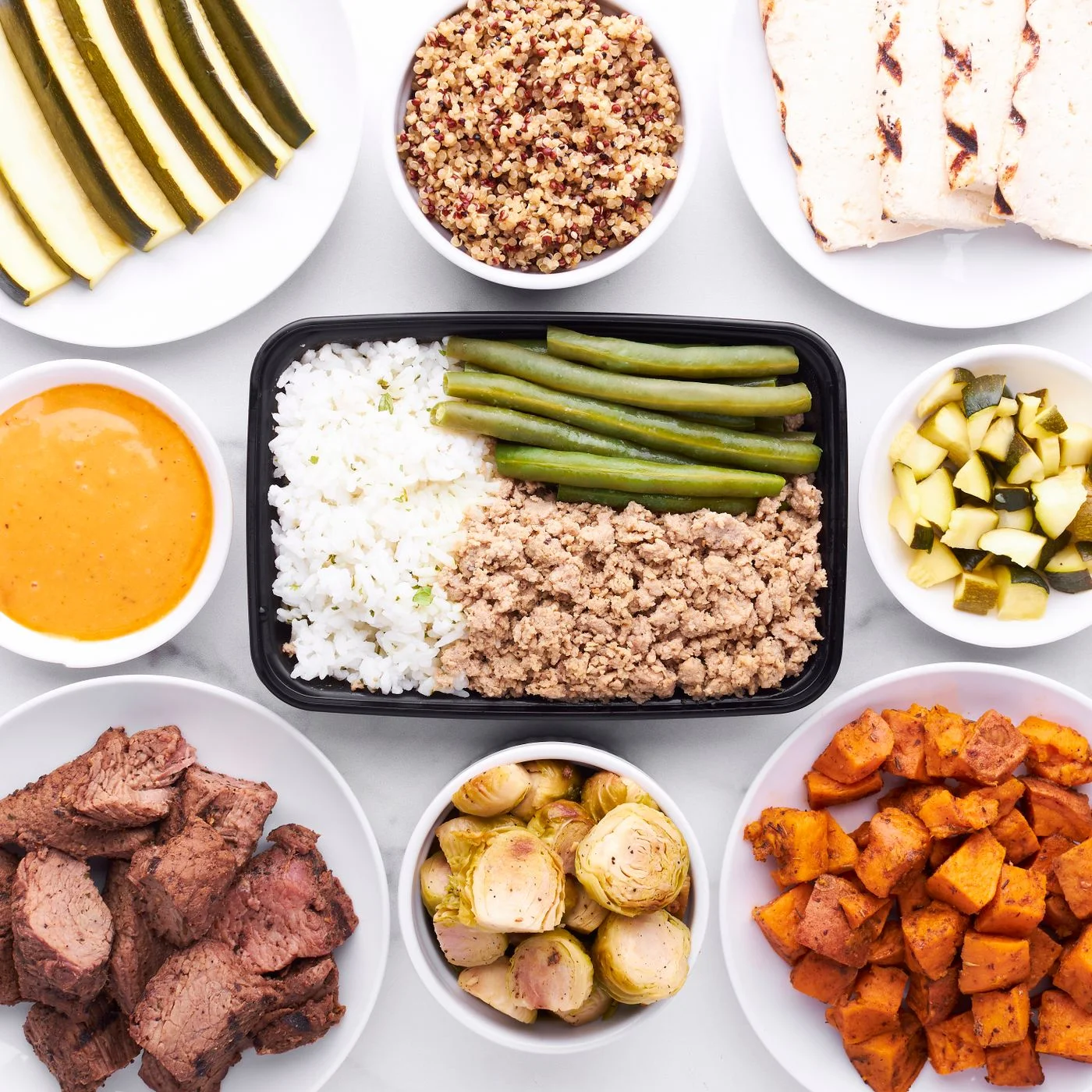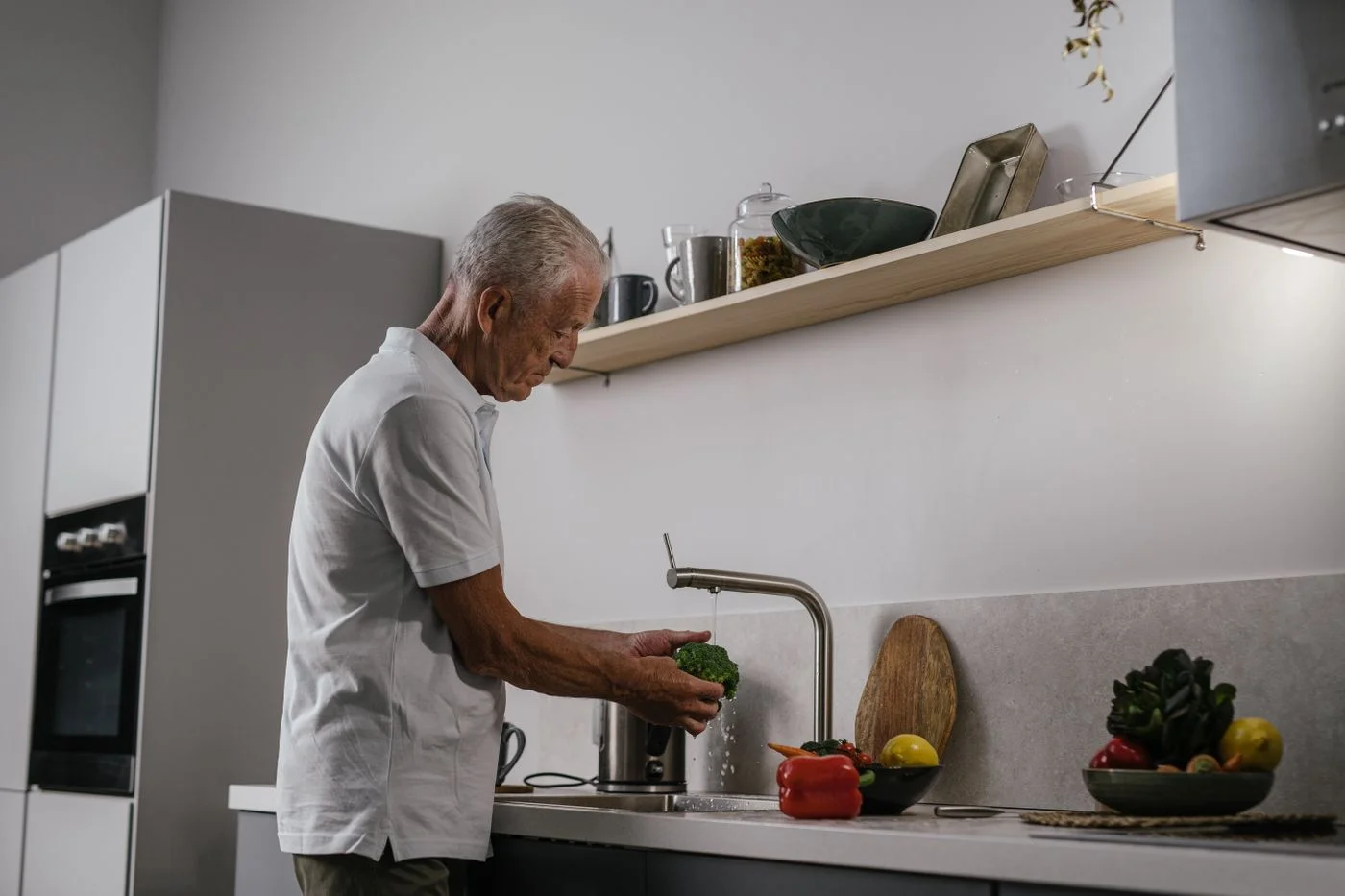
Cross-contamination can happen during an ordinary sequence of small movements: opening a package, moving a knife, reaching for salad ingredients and setting a used plate down where a clean one was meant to go. A clearer route through the kitchen helps reduce those opportunities.
Before starting, identify the foods that will be eaten without further cooking and the raw animal foods that need separate handling. Give them distinct preparation areas or work at separate times with proper cleaning between tasks. The plan should fit the counter you have, rather than depend on an ideal kitchen with unlimited space.
FoodSafety.gov advises using separate cutting boards for produce or other ready-to-eat foods and for raw meat, poultry or seafood. It also recommends cleaning utensils and surfaces with hot, soapy water after contact with raw animal foods. Wash hands appropriately between tasks; changing boards alone does not address what is on your hands or knife.
Set out the clean destination
Put a clean plate or container where the finished food will go. Keep it away from raw-food packaging and juices. This avoids the common moment when cooked food is ready but the only nearby plate is the one that held it raw.
Place packaging in its appropriate waste area without dragging it across the preparation surface. If you need to open a drawer or touch a handle during raw-food preparation, pause and handle hygiene properly rather than spreading the task throughout the kitchen. Gather the tools you expect to need before beginning.
For a shared cooking session, make the separation clear to everyone. One person preparing a salad may not realize that a nearby board or knife was just used for raw meat. A brief statement about which surface is for which task can be more useful than assuming everybody noticed the sequence.
Keep separation in storage too
Store raw meat, poultry and seafood in suitable sealed or securely wrapped containers that prevent juices reaching other foods. Ready-to-eat ingredients should not be exposed to drips or contact. Follow appropriate refrigeration and cooking guidance as well; separation is one part of food safety, not a replacement for temperature control.
After preparation, clean the work area and tools according to food-safety guidance and their material instructions. Do not rely on a surface looking clear of visible food. Keep reusable cleaning materials appropriately maintained so the final wipe does not spread residue to another area.
A good kitchen route is easy to explain: raw food has its own place, clean food has a separate destination and hands and tools are cleaned between the two. That sequence matters more than whether every board matches the kitchen decor.