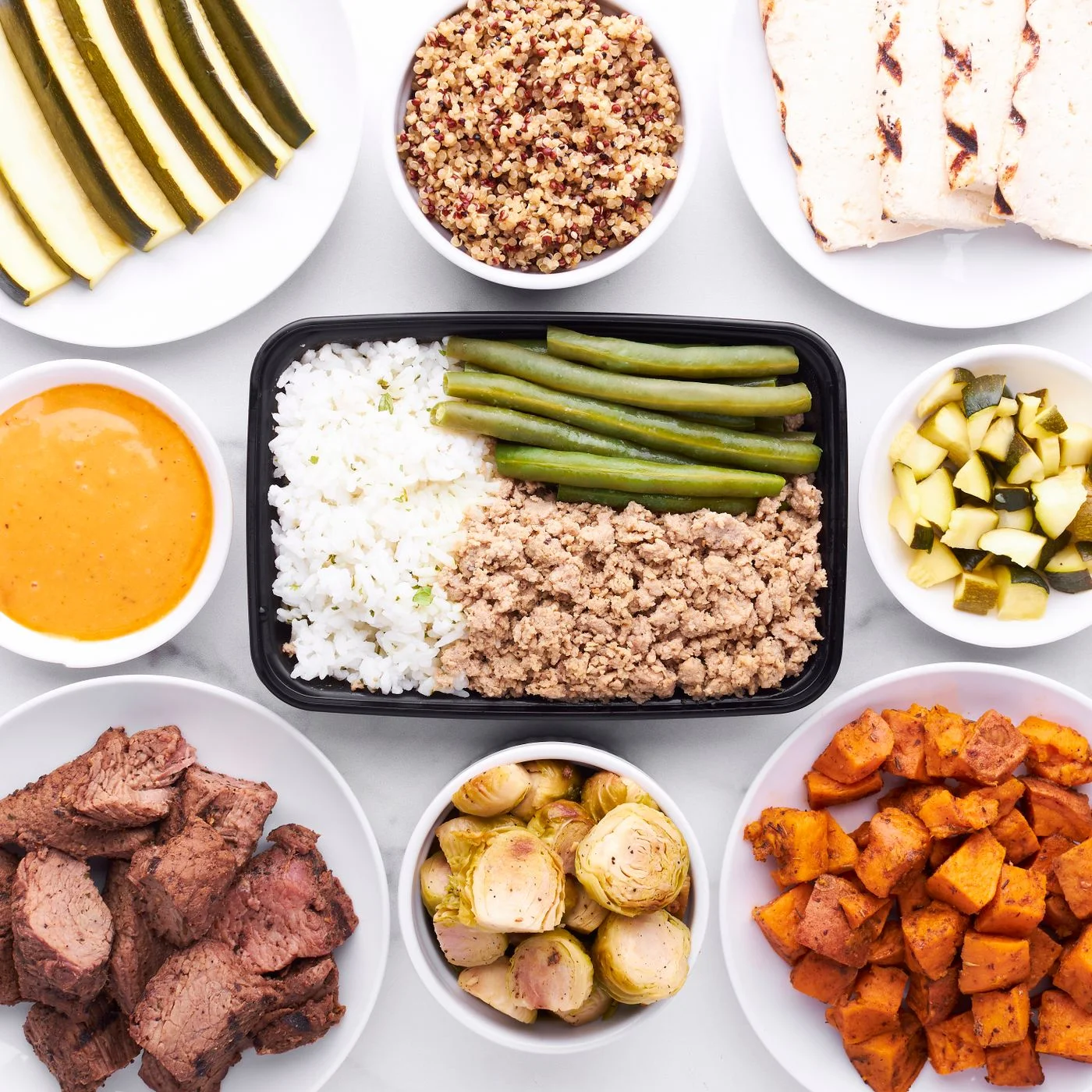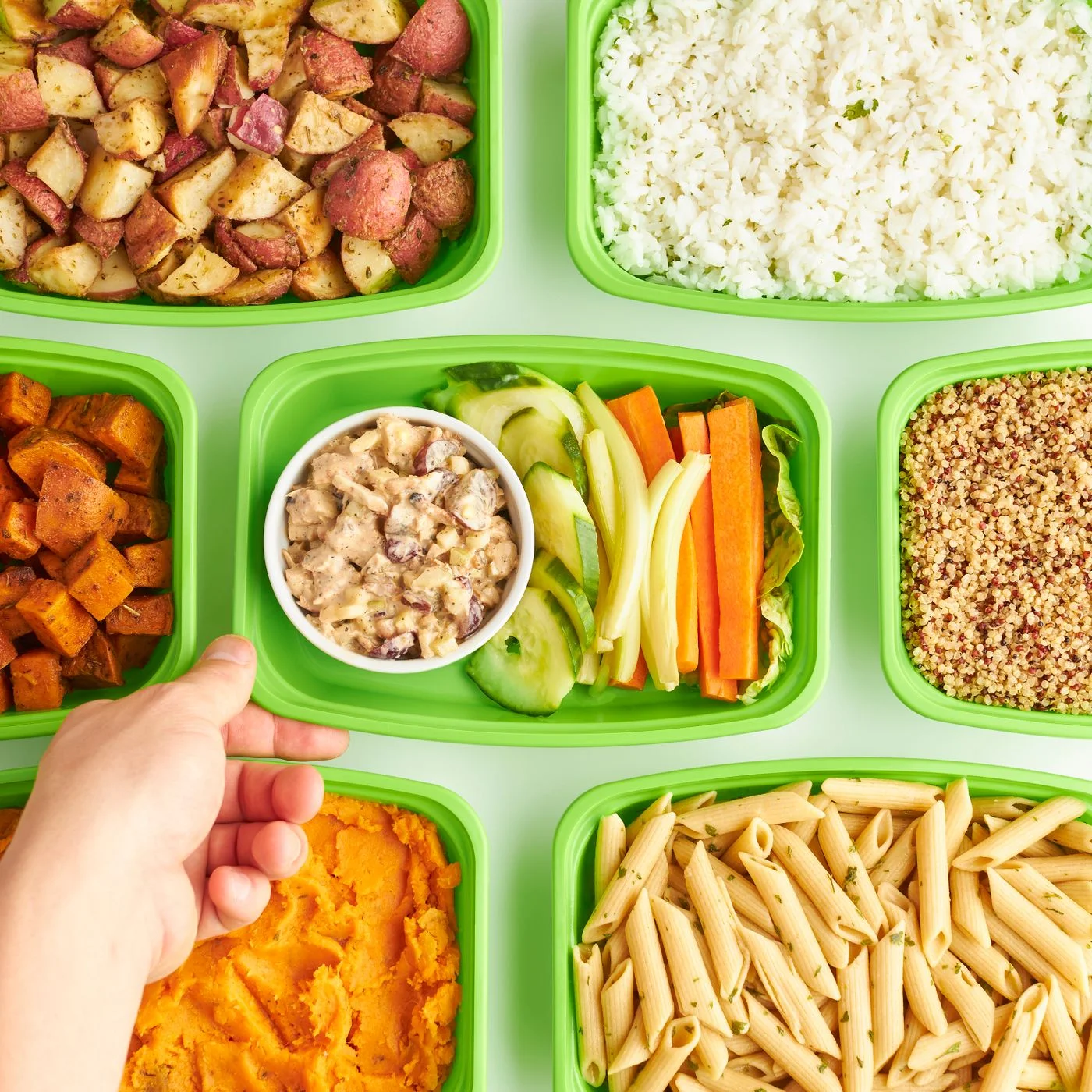
A row of identical lunch containers looks efficient until the third day, when the same sauce and texture no longer appeal. Preparing a few components separately can offer more choice while still reducing the work of making lunch.
Choose ingredients that belong in meals you already enjoy. A cooked grain, a protein food, vegetables and a sauce can be useful building blocks, but they do not have to appear in every container in the same proportions. Think about flavor and texture as well as convenience.
Plan two destinations for each component
Cooked rice might accompany beans one day and vegetables with another protein food the next. Roasted vegetables can go into a bowl or a sandwich. A sauce can dress a salad or accompany a warm meal, provided it is stored and used according to its ingredients and instructions.
Avoid preparing a component merely because it is versatile in theory. If nobody likes the grain or the vegetable loses the texture you enjoy, it will not become useful simply by being stored in a neat container. Start with a small quantity and learn what gets eaten.
Choose some ingredients that require little preparation. Whole fruit, suitable ready-to-eat foods or vegetables prepared just before eating can reduce the amount of advance cooking. A component plan is not a requirement to spend an entire afternoon in the kitchen.
Keep storage part of the plan
Cool and refrigerate cooked foods promptly, using shallow containers for larger amounts. USDA advises using refrigerated leftovers within three to four days. Freeze suitable extra portions early when you know they will not be used in that window; do not wait until you are uncertain about their storage history.
Label containers with the contents and preparation date. Keep raw ingredients that can contaminate ready-to-eat food separate. Use clean utensils when assembling lunches, and do not return food from a used plate to the shared container.
Pack sauces and crisp toppings separately when that improves texture. This is a quality choice, not a reason to leave a perishable component unrefrigerated. If lunch travels, plan cold storage from home until mealtime.
Assemble for the day ahead
Check whether you will have a microwave, refrigerator and somewhere comfortable to eat. A meal that works well at home may be awkward during a day of appointments. Choose a combination suitable for the facilities rather than assuming you can improvise later.
Keep a simple fallback for the day a component runs out. A sandwich, soup or another familiar option can prevent the plan from feeling broken. At the end of the week, note what remained and reduce that quantity next time. The useful system is one that leaves room for appetite and schedule changes while keeping food safe and easy to use.
Give the same ingredients a different texture
A component does not need a new sauce every day to feel different. You might serve a cooked grain warm alongside vegetables at one meal, then use a safely chilled portion in a different suitable preparation. Keep a crisp topping separate until eating, or choose a wrap rather than another bowl when the ingredients suit it. Check the storage and reheating needs each time; changing the serving format does not restart the food's storage period. If the second use requires ingredients you rarely keep, it may be less flexible than it first appears. Prefer variations that rely on what is already in your normal shopping basket.